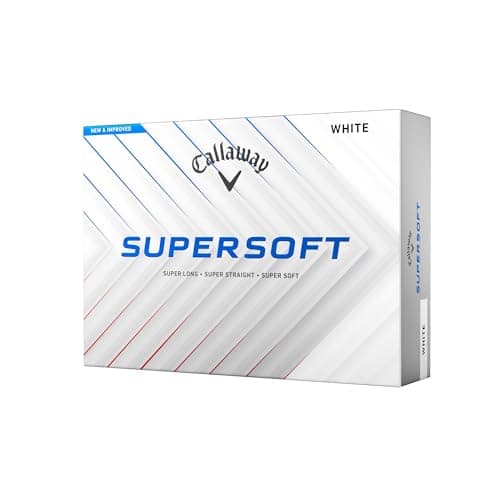
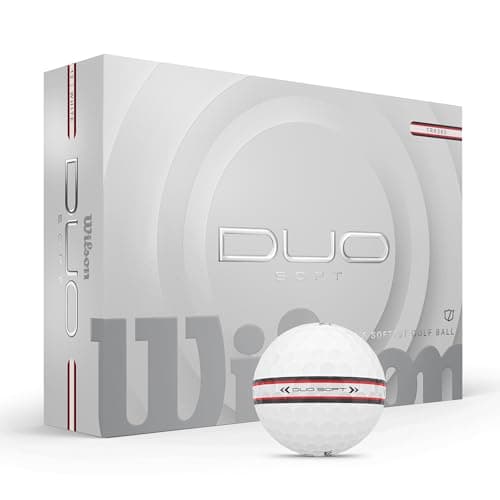
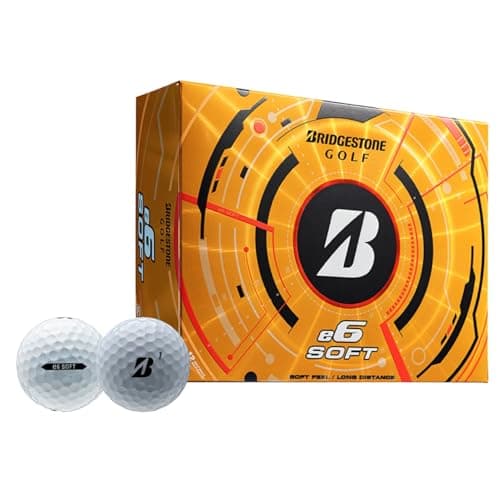
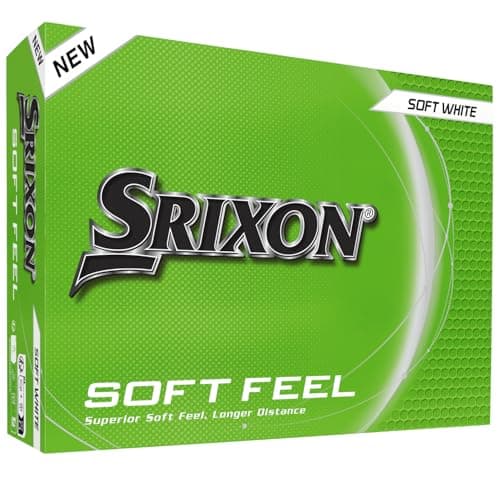
For most senior golfers, the best ball is a soft, low-compression one — and the Srixon Soft Feel is the one we’d put in the bag. It compresses easily at a moderate swing speed for real distance, feels good without being mushy, and is consistently one of the best-priced balls in golf. The Callaway Supersoft is the close runner-up, and the Wilson Duo Soft is softest of all for the slowest swings.
Every ball below is a genuine low- or mid-compression ball a slower swing can use. We’ve ranked them on distance for a slow swing, feel, straightness and value — not on tour-level greenside spin, which is the wrong metric for this buyer. Match your speed with the compression chart first, then read on.
How to choose a senior golf ball
Start with compression, not brand.If your driver swing is under about 90 mph, you want a low-compression ball. It’s not a downgrade — it’s the ball your swing can actually compress, which is where distance comes from. Our what compression do I need?guide walks through it if you’re unsure of your speed.
Accept the greenside trade-off.Soft ionomer-covered value balls release a little more on chips than a urethane tour ball. For most seniors that’s a fine trade: the distance and straightness off the tee outweigh a small loss of stopping power. If you have a genuinely sharp short game and the speed to back it, a mid-compression ball like the Titleist Velocity is the middle ground.
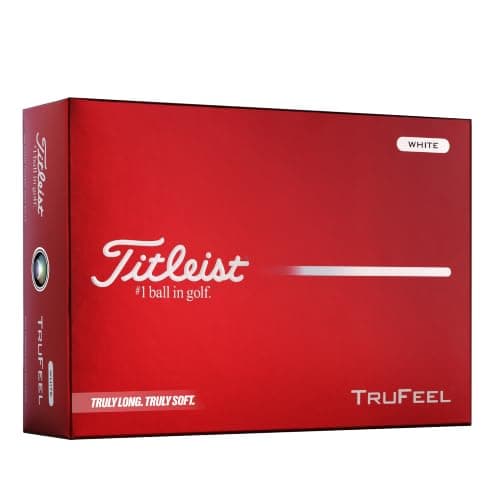
Buy on price within a tier.The Soft Feel, Supersoft and TruFeel are close enough that you should simply buy whichever is cheapest the week you shop. Don’t pay a premium for a specific one of them.
Consider visibility.As eyes age, a high-visibility yellow or matte ball is genuinely easier to track and find — most of these come in a yellow option, and it’s worth choosing.
Who should skip a value ball
If you still swing quickly and your short game lives on one-hop-and-stop spin, a low-compression value ball will feel unresponsive around the green — you’re the rare senior who should play a firmer urethane ball. For everyone whose swing has genuinely slowed, the balls above are the right call, and the money you save is better spent elsewhere.
How we picked this
We haven't hit this gear — and we say so
We compiled the published manufacturer specifications — shaft weight and flex, loft, grip diameter, ball compression, cart weight — did the swing-speed and compression arithmetic, cross-read the owner manuals, and scored each pick against a published rubric. The scores are judgments from documented research — they are notlab measurements we took, because we don't have a lab and we're not going to pretend we do. Where somebody has genuinely measured this, we link them. You can check every number we publish.