The Hands
Grips & Gloves
If your hands hurt by the ninth, the fix is cheaper and simpler than a new set: a bigger, softer grip spreads the load, and the right glove takes the sting out of every strike.
We earn a commission when you buy through our Amazon links, at no extra cost to you. It never changes our rankings — and we'll tell you when the cheaper ball or club is the better buy. How this works.
Of everything on this site, grips and gloves are the cheapest fix for the problem that ends more senior rounds than any other: hands that hurt. A fresh set of grips costs less than a single club, goes on in an afternoon, and can be the difference between finishing eighteen holes comfortably and quitting at the turn because your fingers have seized up. If arthritis, stiffness or plain soreness is what stands between you and the golf you want to play, this is the first place to spend money — not the last.
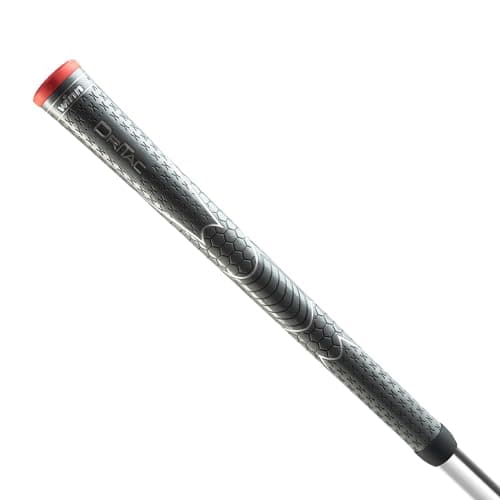
The thing almost nobody explains is why a thin, hard grip hurts. To keep a slick, skinny grip from twisting, your hand has to clamp down hard, and that constant squeeze is exactly what an arthritic hand can least afford to give. A softer, tackier compound grabs your glove and skin so the club stays put with a much lighter hold, and a larger diameter fills the hand and spreads the load across more of your palm and fingers rather than concentrating it in a few sore knuckles. Less squeeze, over more of the hand: that is the whole idea behind an arthritis grip.
The grip-size idea, in one paragraph
Grips come in tiers — standard, midsize (about a sixteenth of an inch bigger around) and oversize or jumbo (an eighth of an inch or more). Going up a size is not a gimmick; the Arthritis Foundation lists building up the size of your grips among the equipment changes it suggests for golfers with arthritis, so you can hold the club with a looser, less painful grip. How far to size up depends on how much your hands hurt and how much wrist action you still want to keep — our grip size guide lays out the sizes side by side, and midsize vs jumbo grips helps you pick between the two most common steps up.
Where a glove does the work instead
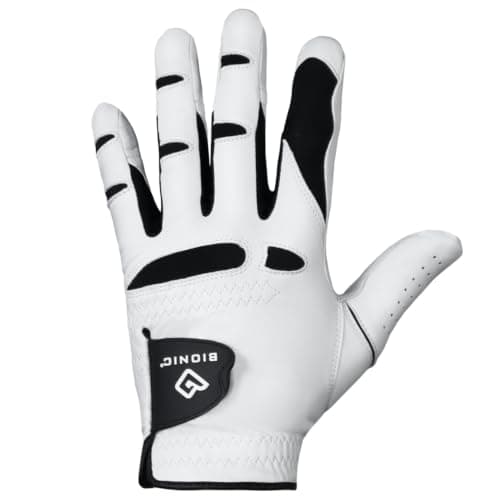
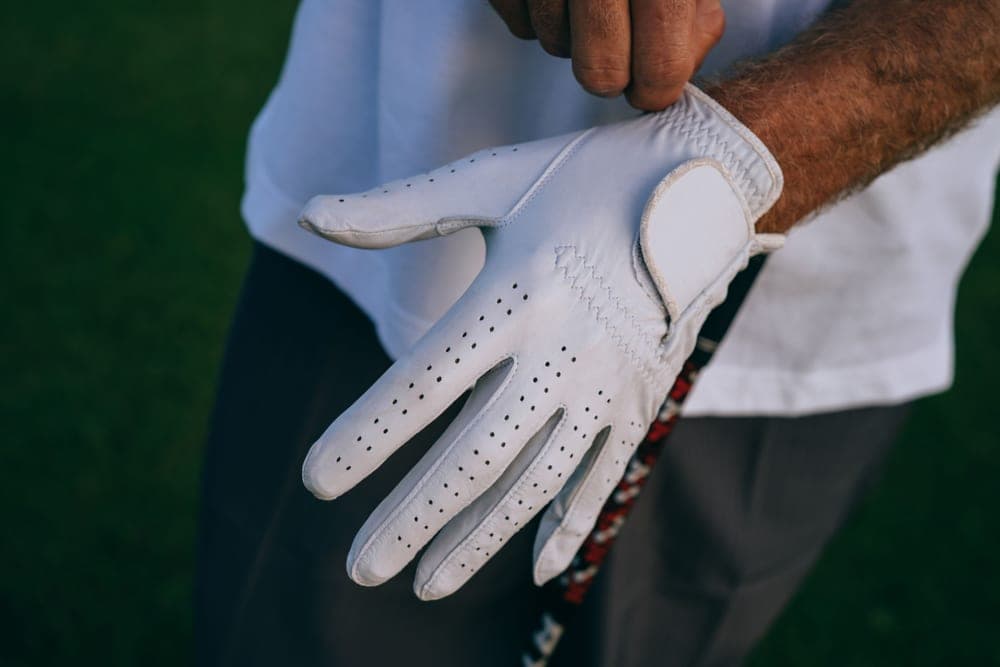
Sometimes it is the hand, not the grip, that needs help — and that is where a padded relief glove comes in. Instead of changing the club, an anatomically padded glove cushions the palm and fingers so the pressure of holding on is spread and softened. For a hand that no longer straightens fully or that swells and aches, a glove built for the job can be gentler than any grip change on its own. Many senior golfers end up doing both: a softer, bigger grip on the club and a cushioned glove on the hand. Start with our best golf gloves for arthritis.
Where to start
If your hands are genuinely sore or stiff, begin with the best golf grips for arthritis — it ranks the soft, oversize and jumbo grips that ask the least of your hands, with an honest note on who should skip each one. If you would rather understand the sizing before you buy, read the grip size guide first. And if you have never regripped a club, do not let that stop you: it is a genuinely easy afternoon job, and our how to regrip your clubs walkthrough shows the whole thing step by step — and our how often to regripguide says when it’s due. Not sure what size you need? Start by measuring your grip size. If your hands are fine but the grip slips in dew or sweat, the best all-weather grips hold on in the wet. To go bigger, the best oversize grips roundup ranks the jumbo options, and do oversize grips help arthritis? explains the why; on the glove side, Bionic StableGrip vs FootJoy WeatherSof weighs a relief glove against an everyday one. Grips and gloves are the one category where a small, cheap change can buy back the back nine — for the broader picture of playing comfortably, see golf with arthritis.
Start here
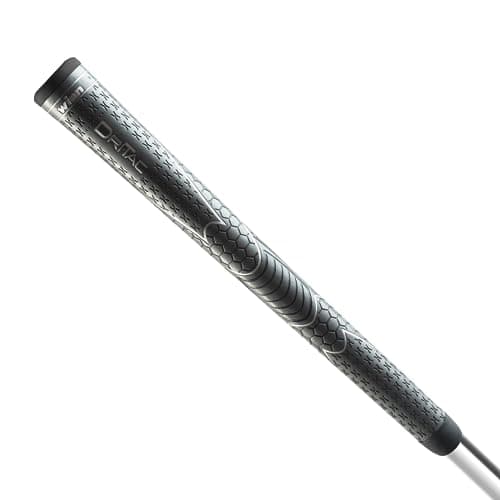
The Best Golf Grips for Arthritis
Our top soft and oversize grips for arthritic hands, ranked for comfort, grip security and value — with an honest skip-this.
Read the guide →
Everything in this hub