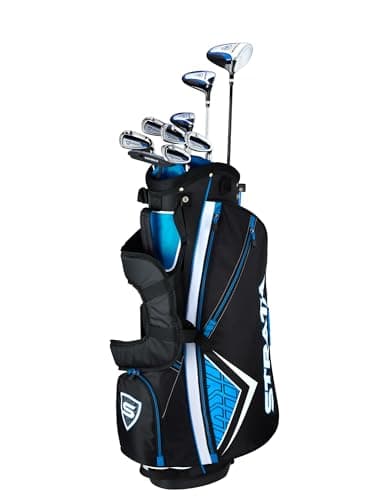
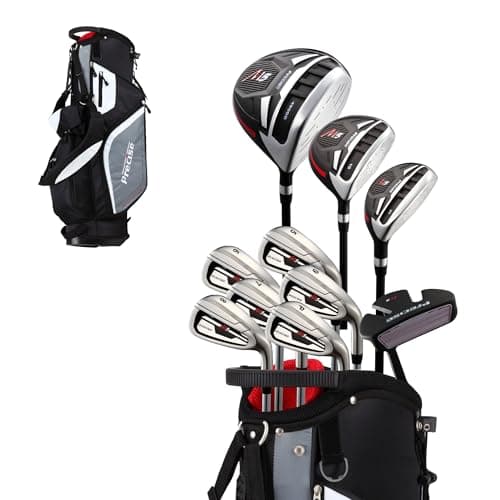
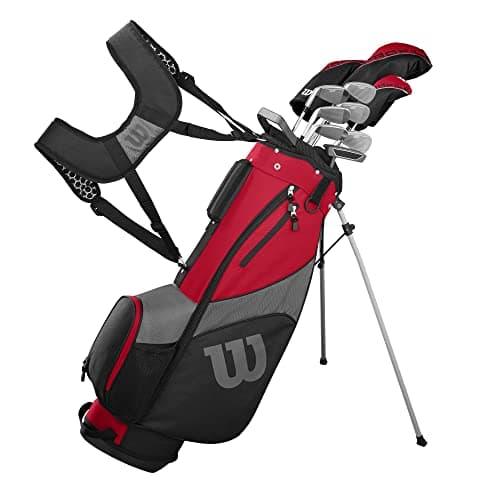
For most senior golfers, the best clubs are light, forgiving, and flexed for the swing they have now — and the Wilson Profile SGI is the set we’d point most people to first. It’s one of the very few complete sets sold in a genuine senior flex, its super-game-improvement heads are among the most forgiving made, and it’s fitted to your height rather than sold one-size-fits-all. The Callaway Strata is the close, slightly more polished runner-up, and the Precise M5 is the budget floor.
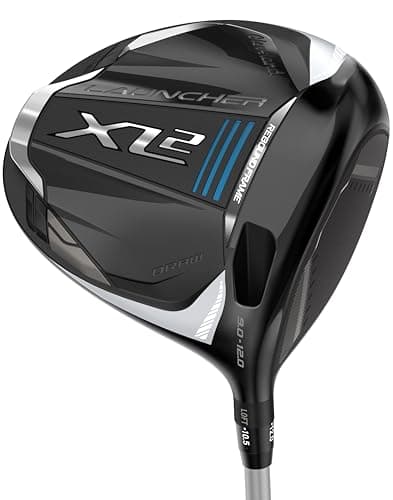
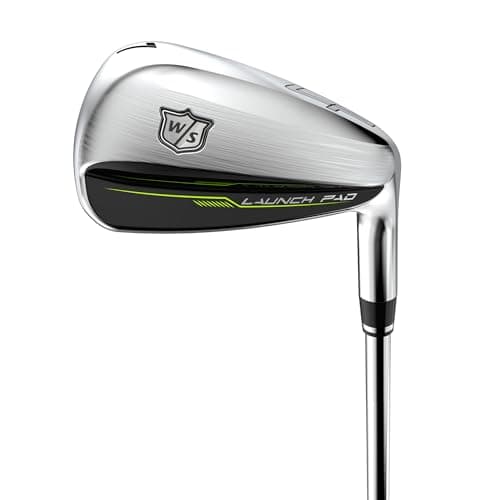
Sets aren’t the whole story, though. If your irons still work and only the long clubs have deserted you, the smartest money isn’t a new set at all — it’s a single forgiving driveror one rescue hybrid to replace the long iron you’ve stopped trusting; the reasoning is in our guide to choosing clubs for a slower swing. We’ve ranked complete sets, a standout hybrid and a light game-improvement iron set together below so you can spend on the clubs that actually fix your bag, not the ones you already own.
Every pick here is chosen on the specs that matter to a slower swing — shaft weight and flex, head forgiveness, and how easily the club launches the ball — not on what a tour player would want. We haven’t hit any of them; we read the published specs and do the math. Before you buy, match your speed to a flex with the swing speed & shaft flex chart, because the right flex decides whether any of these clubs works for you.
How to choose clubs for a senior golfer
Start with flex, not the brand on the bag.A shaft that’s too stiff never loads for a slower swing, so it launches low and short no matter how good the head is. If your driver carry has dropped under about 200 yards, you almost certainly want a senior (A) flex rather than a regular. The Profile SGI is here precisely because it ships in a true senior flex, which most boxed sets don’t. Confirm your band on the swing speed & shaft flex chart first.
Go light, which usually means graphite.Lighter clubs are simply easier to swing with speed, and graphite shafts weigh far less than steel while damping the sting a mishit sends into aging hands. For nearly every senior, graphite in the woods and irons is the right call — the full trade-off is in graphite vs steel shafts.
Buy forgiveness on purpose.Oversized, perimeter-weighted “game-improvement” and “super-game-improvement” heads hold their ball speed when you catch the ball off the toe or heel, which happens more as reflexes slow. A wider sole also stops an iron digging on the shallow, sweeping strike a slower swing tends to make. This is help worth taking, not a compromise.
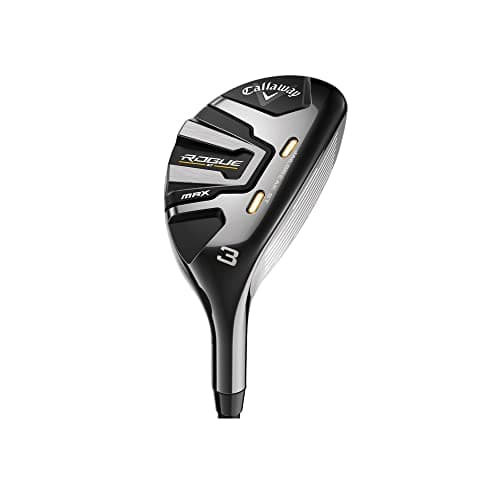
Fix the bag you have, not the one in the advert.If your short irons and wedges still work, you don’t need to replace them to fix your long game. One rescue hybrid in place of your least-loved long iron, or a single forgiving driver, often does more for your scores than a whole new set — for a lot less money. The Rogue ST Max hybrid is on this list for exactly that reason.
Don’t skip the cheap wins. Once the clubs fit, the two smallest upgrades in golf make the biggest per-dollar difference for an aging body: a correctly sized grip your hands can hold without a death squeeze (see grips & gloves), and a lower-compression ball a slower swing can actually flatten (see golf balls). Neither costs much, and both help every swing you make. And if it is arthritis rather than swing speed driving the purchase, the deciding spec changes to the grip the club arrives with and what the whole club weighs — the best golf clubs for arthritis roundup ranks the same category on those terms instead.
Skip this
Skip a complete set entirely if your current irons still fit and only your driver or long irons have let you down — you’d be paying to replace clubs that are still doing their job. Buy the one club that fixes the gap instead. And if your swing hasn’t actually slowed — if you still generate real speed — skip the ultra-light senior-flex builds here; they’ll feel whippy and loose behind a strong swing, and a regular or stiff set will serve you far better. The honest test is your driver carry and your ball flight, not your birthday.
One more caveat about complete sets: the club you will use most is the one they cut the most corners on. Roughly two shots in five are putts, and a boxed-set putter is almost always a plain blade with a thin standard grip — the two specs a senior golfer most wants changed. It is fine for a season while you find your feet, but the best putters for seniors roundup ranks the forgiving mallets worth upgrading to, and explains why grip size matters more on the greens than anywhere else in the bag. The same is true of the wedge a boxed set gives you: it is usually a thin-soled blade, which is the hardest shape to chip with once your swing shallows out. The best wedges for seniors roundup ranks the wide-soled replacements.
How we picked this
We haven't hit this gear — and we say so
We compiled the published manufacturer specifications — shaft weight and flex, loft, grip diameter, ball compression, cart weight — did the swing-speed and compression arithmetic, cross-read the owner manuals, and scored each pick against a published rubric. The scores are judgments from documented research — they are notlab measurements we took, because we don't have a lab and we're not going to pretend we do. Where somebody has genuinely measured this, we link them. You can check every number we publish.