The Swing
Clubs, Sets & Shafts
When the swing slows down, the club has to do more of the work. This is the gear that gives a senior golfer distance and forgiveness back — sorted by what your swing needs, not by what the tour plays.
We earn a commission when you buy through our Amazon links, at no extra cost to you. It never changes our rankings — and we'll tell you when the cheaper ball or club is the better buy. How this works.
Your clubs are where a slower swing costs you the most — and where the right gear buys the most back. The long irons stop launching first, the driver leaks the yards it used to give you for free, and a set built for the swing you had at fifty quietly punishes the swing you have now. The fix is rarely a whole new bag. It’s lighter, more forgiving clubs matched to the speed you actually swing today.
Almost every club marketed to good players is built around one assumption: that you generate enough speed to compress a firm, heavy, low-launch head. As your swing slows, that assumption stops being true, and clubs designed for it start working against you. Weight you can’t move fast enough robs your tempo; a stiff shaft you can’t load stays dead through impact; a compact, low-spin head a fast swing loves gives a slower one nothing to launch. None of that is your fault, and none of it needs a lesson to fix — it needs different equipment.
What actually changes as your swing slows
Three specs matter more than the brand on the sole. First, shaft weight and material: a light graphite shaft is easier to swing and helps a slower tempo deliver the head with speed to spare — our graphite vs steel and shaft weight guides walk through why. Second, flex: a shaft that’s too stiff won’t load for you, so a genuine senior (A) flex often adds height and distance a “regular” can’t — see senior flex vs regular flex. Third, forgiveness: oversized, perimeter-weighted heads hold their ball speed on the off-center strikes that creep in with age, so a slight mishit still flies.
There’s a fourth quiet win worth naming: sole design. On irons and wedges, a broad, rounded sole glides through turf instead of digging, which forgives the shallow, sweeping strike a slower swing tends to make and rescues the fat and thin shots that creep into a short game as timing changes. It’s the same idea as the oversized head, applied to the ground — and it costs you nothing but a slightly chunkier look at address, which is a trade most seniors take gladly.
Not sure where your speed lands? Start with the swing speed & shaft flex chart— it turns an honest carry distance into the flex and shaft weight you should be shopping for, which is the decision every club purchase below hangs on. One thing we won’t pretend: we haven’t hit any of this gear or run a launch monitor. What we do is read the published specs — shaft weight, flex, loft, head size — put them side by side, and do the arithmetic on what suits a slower swing. Where someone has genuinely measured a club, we link them rather than bluff.
The single-club upgrade almost nobody mentions
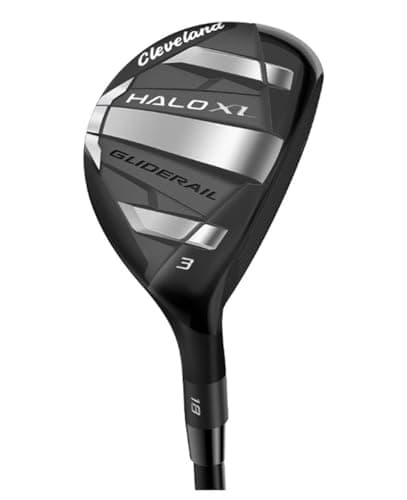
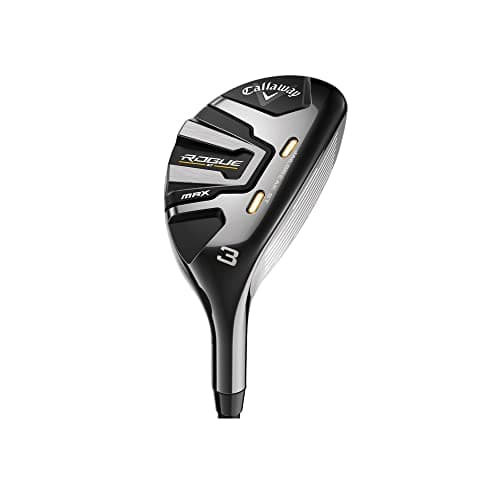
If money or attachment keeps you from replacing a whole set, replace one club: the longest iron you dread. A forgiving rescue hybridlaunches far higher and easier than the 3-, 4- or 5-iron it swaps out, and it costs a fraction of a new set. For a lot of returning golfers it’s the biggest single distance gain available — more than a new driver — because distance leaks out through the long irons first. Our how to choose clubs for a slower swing guide covers when one hybrid is enough and when it’s worth going further, and the best hybrids for seniors roundup ranks the ones you can actually buy in a senior flex.
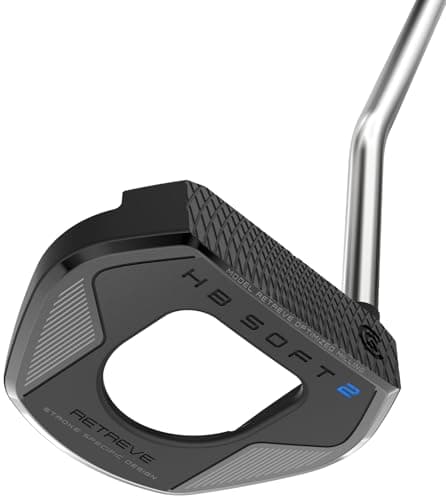
The other single-club upgrade worth its money is at the opposite end of the bag. Roughly two shots in five are putts, and the putter is the one club where a slower swing is irrelevant but everything else about getting older — aim, sore hands, a back that hates bending to the cup — decides the answer. Our best putters for seniors roundup ranks the forgiving mallets on those terms, including the one that lifts the ball out of the hole for you.
Between those two ends sits the shot that quietly costs a senior the most: the little chip from just off the green that catches the turf first. That is a sole-width problem, not a technique problem, and it is fixable for less than any other club here. The best wedges for seniorsroundup ranks the wide-soled, chunk-proof wedges on how hard they are to hit fat — including the rare few sold with a graphite shaft to match graphite irons.
And if the reason you are shopping is that your hands hurt rather than that your swing has slowed, the answer changes shape entirely: the deciding spec becomes the grip the club arrives with and what the whole thing weighs, not launch angle. The best golf clubs for arthritisroundup ranks clubs on those terms — including the one set sold with a super jumbo grip already fitted, and the regrip arithmetic worth doing before you buy anything.
Where to start
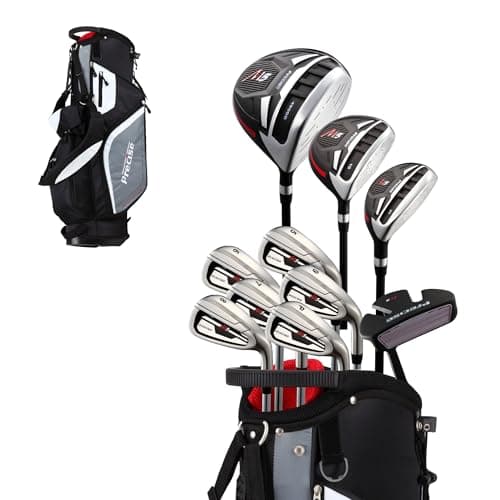
If you’re coming back to the game or your bag is a decade old, a light, forgiving complete set is the sensible base — read the best golf clubs for seniors roundup, or the senior women’s version. If only the driver has let you down, the best drivers for seniorslist fixes that alone. Past seventy, the very lightest builds matter most — see best golf clubs for seniors over 70. And if it’s the long irons that have gone cold, the best irons for seniors roundup and our hybrid vs long iron guide show the two ways to fix them. Want the whole bag in one purchase? Compare the best complete sets for seniors; on a tight budget, the best value clubslist ranks the most forgiveness per dollar; and if you’re shopping for someone else, the golf gift ideas for senior golfersguide picks the gear they’ll actually use. And once the clubs fit, don’t forget the two cheapest upgrades in golf: a grip your hands can hold without squeezing — see grips & gloves— and a ball a slower swing can compress, over in golf balls.
Start here
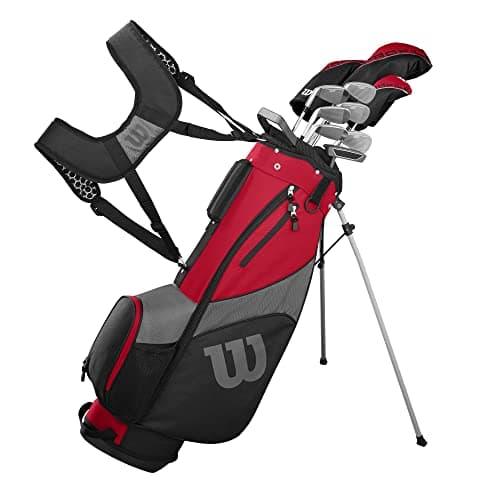
The Best Golf Clubs for Seniors
Our top light-and-forgiving picks for a slower swing, from complete sets to a game-changing hybrid — with an honest skip-this.
Read the guide →
Everything in this hub
All clubs, sets & shafts guides
Roundup
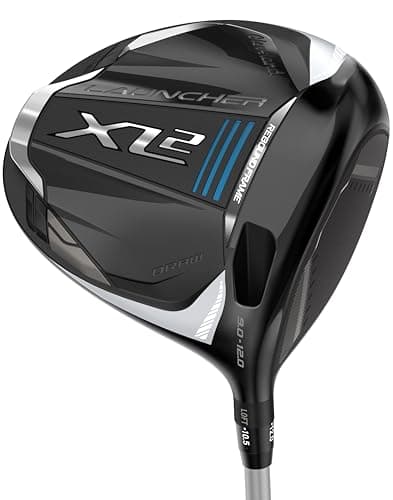
The Best Drivers for Seniors
The most forgiving, easy-launching drivers for a slower swing — ranked, with a note on which slice-fix to skip.
Top pick · Cleveland Launcher XL 2 Driver
Roundup
The Best Golf Clubs for Senior Women
Women's-specific, light and lofted sets for a slower swing — ranked, with a value pick and an honest skip-this.
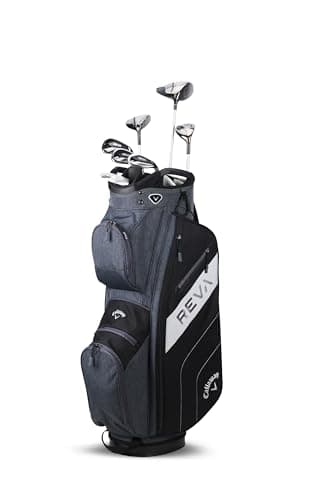
Top pick · Callaway Reva Complete Set (Women's)
Head to head
Senior Flex vs Regular Flex
Senior (A) flex vs regular, side by side — with the swing-speed line that tells you which your swing needs.
Top pick · Wilson Profile SGI Complete Set
Roundup
The Best Wedges for Seniors
Wide-soled, chunk-proof wedges ranked for a shallower swing and stiffer hands — including the two sold with a graphite shaft, and the honest limits of each.
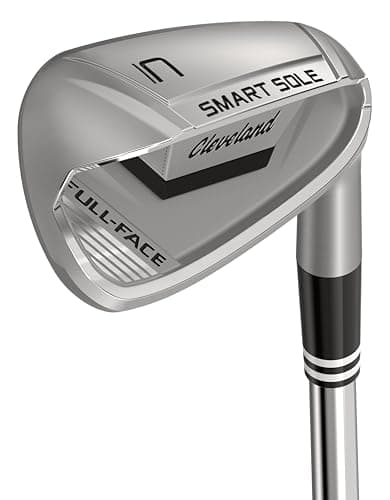
Top pick · Cleveland Smart Sole Full-Face Wedge (42°, Graphite)
Roundup
The Best Golf Clubs for Arthritis
Clubs ranked for hands that hurt: the grip fitted at the factory, the total weight, and the force each club asks for — plus the regrip math to do before you buy.
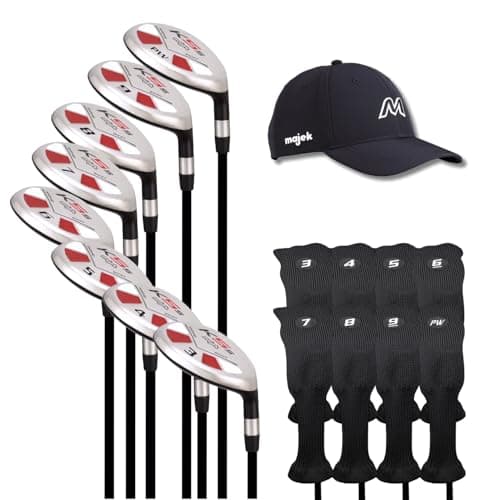
Top pick · Majek K5s Hybrid Set (Senior, Super Jumbo Grips)
Head to head
Cleveland Smart Sole vs CBX Wedge
The anti-chunk Smart Sole vs the forgiving, spinnier CBX — which forgiving wedge suits your short game.
Top pick · Cleveland Smart Sole Full-Face Wedge