Skip to content
Fairway&Fescue

The Compression · Golf Balls

Low vs High Compression Golf Balls

What compression really does, who each type suits, and why a slower swing gets more distance from the softer ball — not the tour ball.

By Stephen V.Updated How we pick
#ad

We earn a commission when you buy through our Amazon links, at no extra cost to you. It never changes our rankings — and we'll tell you when the cheaper ball or club is the better buy. How this works.

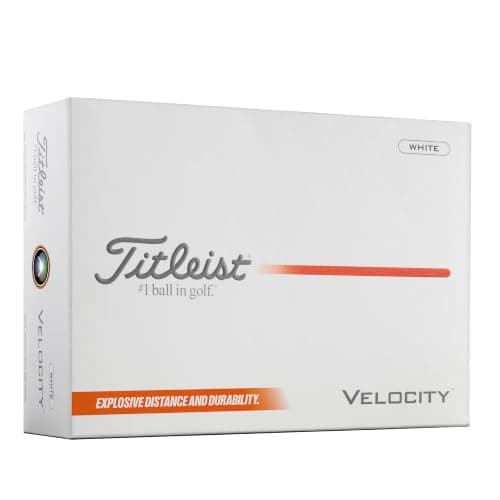
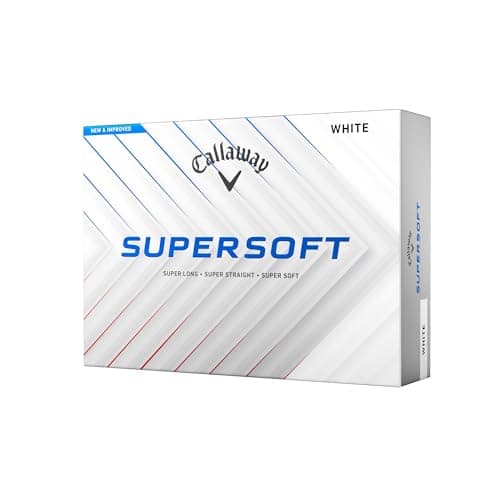
The short version: a slower swing wants a low-compression ball, and a fast swing can use a high- compression one. Compression measures how much a ball deforms when struck — a low-compression ball squashes and springs back at a slow swing speed, while a high-compression ball only performs when a fast, powerful strike flattens it. Below we put a representative low-compression ball (the Callaway Supersoft) next to a firmer one (the Titleist Velocity) to show the choice.

The short answer

Quick picks

#ProductBest forScorePrice
01
Callaway Callaway Supersoft
Callaway Supersoft

The senior default. One of the lowest compressions in golf, so a slower swing actually flattens it — which is where the distance you've lost comes back.

Slow-to-moderate swings
7.8
$26.97Amazon
02
Titleist Titleist Velocity
Titleist Velocity

The distance ball for a senior who still swings decently and wants maximum carry and a high flight — firmer than the soft crowd, but built to fly.

Distance for a still-decent swing
6.6
$29.97Amazon

#ad · Live prices from the Amazon Product API, as of Jul 23, 2026. Where we have no verified live price, we show none — we would rather leave a gap than print a number that has rotted.

In detail

The picks, in full

01
Callaway Callaway Supersoft

Slow-to-moderate swings

Callaway Supersoft

Very low compression2-pieceIonomer coverValue tier
7.8/10

The senior default. One of the lowest compressions in golf, so a slower swing actually flattens it — which is where the distance you've lost comes back.

Distance (slow swing)
9
Softness / feel
8
Straightness
8
Greenside spin
5
Value
9

Pros

  • A very low compression a slow swing can fully compress — that's what turns swing speed into carry
  • Straight, forgiving flight that flatters a slice
  • Priced so losing a couple doesn't sting

Cons

  • The ionomer cover can't produce tour-level greenside bite — it releases on chips
  • The very soft feel isn't to everyone's taste off the putter

Skip this if…

your swing is still quick and your short game lives on one-hop-and-stop spin. You'll compress this too easily and miss the greenside bite a urethane ball gives you.

$26.97View on Amazon

Price as of Jul 23, 2026. Prices change — Amazon's is the one that counts.

#ad · we may earn a commission from this link to Callaway Supersoft

02
Titleist Titleist Velocity

Distance for a still-decent swing

Titleist Velocity

Mid compression2-pieceIonomer coverHigh-launch distance
6.6/10

The distance ball for a senior who still swings decently and wants maximum carry and a high flight — firmer than the soft crowd, but built to fly.

Distance (slow swing)
7
Softness / feel
6
Straightness
7
Greenside spin
5
Value
8

Pros

  • Built for speed and a high, long flight for players who haven't slowed all the way down
  • Higher launch helps carry a slower swing needs
  • Titleist quality control at a non-tour price

Cons

  • Firmer than the low-compression balls — the slowest swings won't compress it as well
  • Low greenside spin by design

Skip this if…

your swing has genuinely slowed and your hands like a soft feel. This is the firmest ball here; a very slow swing gets more from a Supersoft or Duo Soft.

$29.97View on Amazon

Price as of Jul 23, 2026. Prices change — Amazon's is the one that counts.

#ad · we may earn a commission from this link to Titleist Velocity

What each does well

Low compression (softer): easier to compress at a slow swing speed, so more carry for a slower player; softer feel; lower driver spin that helps a slice; usually cheaper. The cost is less greenside bite.

High compression (firmer):more energy return and control for a fast swing; more greenside spin with a urethane cover; a firmer, clicky feel. The cost is that a slow swing can’t compress it, so it actually loses distance for that player.

The line that decides it

Roughly 90 mph of driver speed is the dividing line for most golfers. Under it, go low compression. Over it, you have the option of a firmer ball if you value control. The compression chartbreaks it into finer bands. And if you’re tempted by a premium tour ball despite a slower swing, read whether expensive balls help a slow swing first.

The honest caveat

Exact compression numbers vary by how they’re measured, so we talk in tiers rather than chase a single figure different tests disagree on. The direction is what’s reliable: slower swing, softer ball.

How we picked this

We haven't hit this gear — and we say so

We compiled the published manufacturer specifications — shaft weight and flex, loft, grip diameter, ball compression, cart weight — did the swing-speed and compression arithmetic, cross-read the owner manuals, and scored each pick against a published rubric. The scores are judgments from documented research — they are notlab measurements we took, because we don't have a lab and we're not going to pretend we do. Where somebody has genuinely measured this, we link them. You can check every number we publish.
Questions

Frequently asked

Is low or high compression better for seniors?
Low compression, for almost every senior. Unless your swing is still genuinely fast (over about 90 mph), a low-compression ball goes farther and feels better.
What compression is too high for a slow swing?
Firm tour balls (high compression) are too much for a swing under about 90 mph — you can’t compress them fully, so you lose distance. Stay low or mid compression.

Keep reading

Receipts

Sources

We do not run a testing lab, and we do not pretend to. Every spec number here comes from a manufacturer's published sheet or an official standard, cited above. Where we could not verify something, we say so on the page rather than quietly leaving it out. Read our full method.