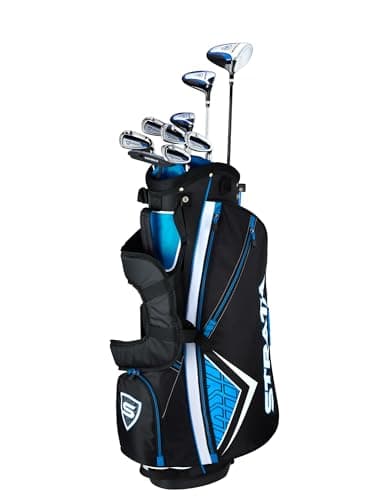
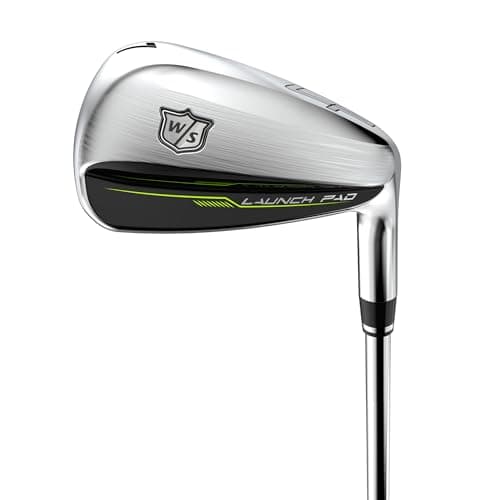
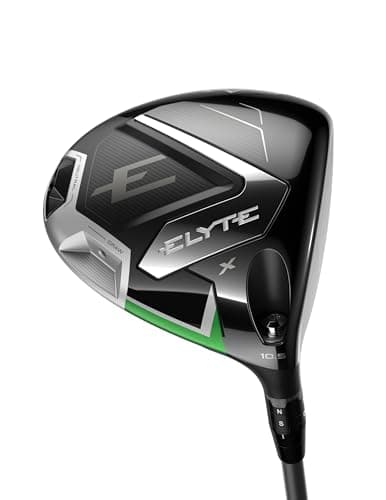
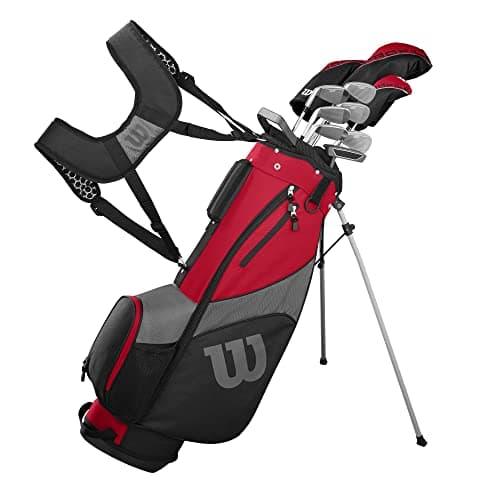
For a golfer past seventy, two things decide whether a club still works: how little it weighs, and how easily it launches. Strength and swing speed have both faded, so a light, high-launch build isn’t a preference — it’s the difference between a ball that flies and one that dribbles. The Wilson Profile SGI is our top pick because it’s one of the very few complete sets sold in a true senior flex with super-game-improvement heads, and because it’s fitted to your height rather than sold one-size-fits-all.
This list overlaps our general best golf clubs for seniorsroundup, but it’s deliberately tuned lighter and more forgiving throughout — every pick here is chosen for the slowest swings first, and control second. If your swing hasn’t slowed as much as your birthday suggests, the general list has a couple of firmer options worth a look. And if only one part of the bag has let you down, skip to the single-club fixes further down rather than replacing everything.
What matters most past seventy
Weight, above all.A club you can’t swing fast enough robs its own distance. Light graphite shafts and lightweight heads let a slower swing still deliver speed — which is why every pick here is among the lightest in its category. If a club feels heavy at address, it’s the wrong club, however good the reviews.
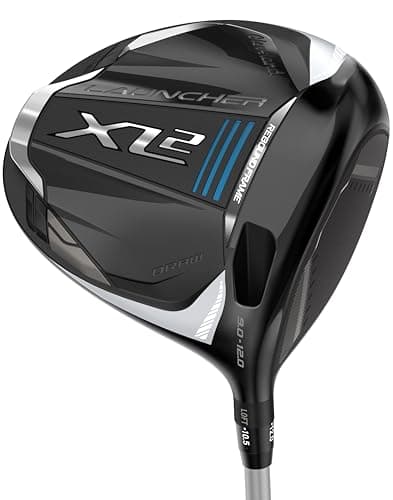
Launch you don’t have to create. High-loft woods, offset draw-biased drivers and hollow, wide-soled irons all get the ball up without you supplying the speed. That matters more every year, because height is where carry distance lives. A low, running ball on hard fairways is fine; on anything soft it stops dead and costs you yards.
Forgiveness for the strike you have now.Off-center hits become the norm as timing drifts. Big, perimeter-weighted heads hold their ball speed on a mishit so a slight miss still flies — the whole point of a super-game-improvement design.
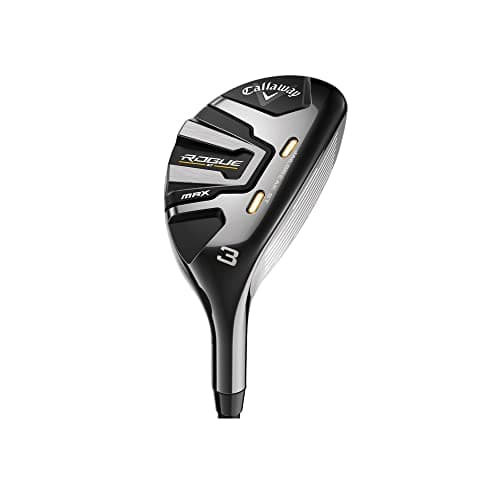
Buy the fix, not the whole bag, when you can. If your irons and woods still work and only the longest clubs have gone cold, a single rescue hybrid like the Rogue ST Max is the biggest distance gain available for the least money. Our how to choose clubs for a slower swing guide covers when one club is enough. Then look at the two cheapest upgrades in golf: a softer, bigger grip your hands can hold without squeezing, and a ball a slow swing can compress.
Who should skip these
If you’re seventy-plus but still generate real clubhead speed — some players do — the ultra-light, high-launch builds here can feel whippy and balloon your ball flight. Step up to a regular flex and a slightly heavier head; the age on your license matters far less than the speed on the launch monitor.
How we picked this
We haven't hit this gear — and we say so
We compiled the published manufacturer specifications — shaft weight and flex, loft, grip diameter, ball compression, cart weight — did the swing-speed and compression arithmetic, cross-read the owner manuals, and scored each pick against a published rubric. The scores are judgments from documented research — they are notlab measurements we took, because we don't have a lab and we're not going to pretend we do. Where somebody has genuinely measured this, we link them. You can check every number we publish.