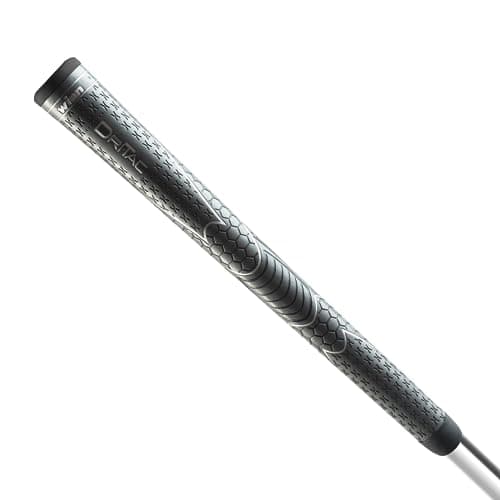
For most senior golfers with sore or arthritic hands, the best grip is a soft, tacky one in a bigger-than-standard diameter — and the Winn Dri-Tac Oversize is the one we’d put on the clubs first. Its soft polymer lets you hold the club securely with far less squeeze, and the oversize girth fills the hand so the load spreads instead of digging into a few painful joints. It is also one of the best-value quality grips going, which is why it tops the list.
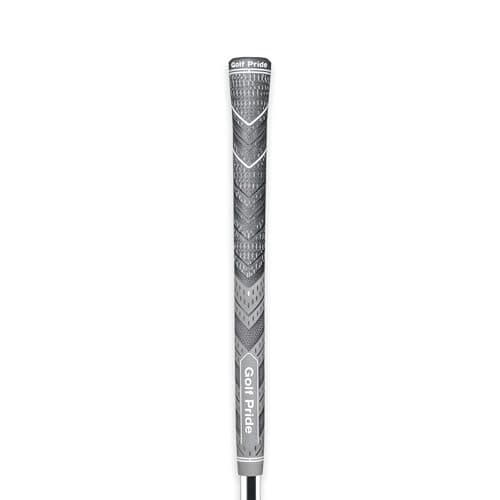
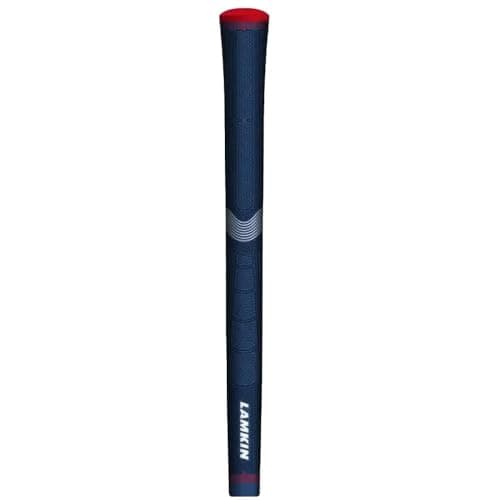
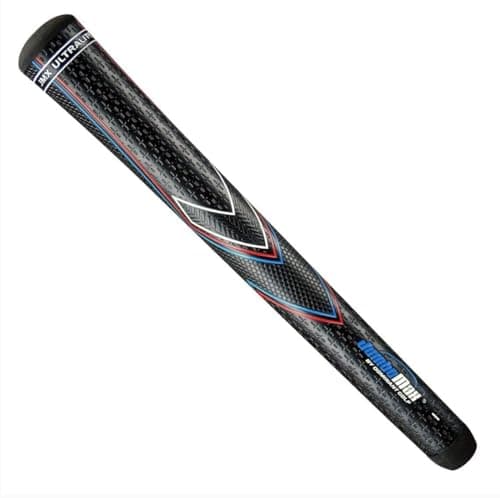
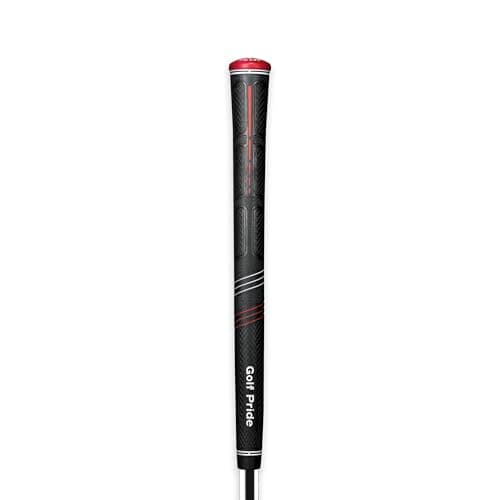
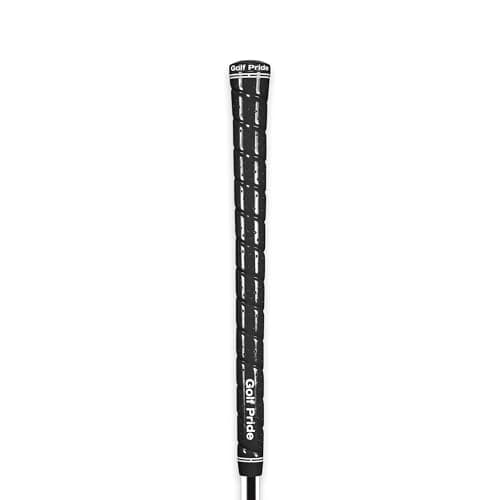
Every grip below does one or both of the two things that help an aching hand: it softens the compound so you can hold on with a lighter grip, or it grows the diameter so the club sits in the hand with less clamping. The Golf Pride MCC Plus4 builds up just the lower hand to cut tension where a lot of golfers grab hardest; the Lamkin Sonar+ is the sensible midsize middle step; the JumboMax JMX is the true jumbo for the stiffest hands; the CP2 Pro pairs a plush outer layer with a stable core; and the Tour Wrap 2G is a soft, cushioned standard grip for mild soreness. Which one is right comes down to how much your hands hurt and how much diameter you want — the grip size guide sorts the sizes out, and midsize vs jumbo grips settles the two biggest steps.
A grip change rarely travels alone. If your hands hurt enough to be shopping for grips, a padded relief glove and a lighter, more forgiving set are usually part of the same conversation — the same aging hands that want a bigger grip also tend to want a lighter shaft, which is why our best clubs for seniors roundup leans the same direction. Read on for the ranked picks, then decide the size.
How to choose a grip for arthritic hands
Start with softness, then decide on size. A soft, tacky compound reduces how hard you have to hold the club, and that lighter hold is the single biggest relief for a sore hand. Every grip here is softer than a firm tour rubber. Once you have soft, the second lever is diameter: the more your hands hurt or stiffen, the more a bigger grip helps you hold on loosely.
Match the diameter to the pain, not the ego. Mild soreness is well served by a soft standard grip like the Tour Wrap 2G or the softness of a standard Dri-Tac. A genuinely arthritic hand does better with oversize (the Winn Oversize) or jumbo (the JumboMax). The trade-off is real and worth knowing: a bigger grip quiets wrist and hand action, which is a welcome calming effect for a shaky hand but a loss for a player who still releases the club well. Size up as far as your hands need and no further.
Mind your skin, not just your joints. Cord grips like the MCC Plus4 grip brilliantly in sweat and rain, but the same texture can chafe thin or tender skin. If your hands are delicate as well as sore, a fully soft grip such as the Winn or CP2 Pro is kinder. The best arthritis grip is the one that is gentle on both the joint and the surface of the hand.
Do the whole set, and buy on value within a size. A grip helps most when every club feels the same, so plan to regrip the bag rather than one club. Within a size and softness tier the value grips are close enough that price should decide — and if you are not sure jumbo suits you, prove the idea on one club before committing to a premium set. Doing it yourself is easy and cheap; our regripping guide walks you through it.
Skip this
If your hands are perfectly healthy and you simply want more feel, skip the oversize and jumbo grips entirely — a big grip deadens the lively hand action you actually want, and you will feel disconnected from the clubface. A standard soft grip is plenty. And skip the premium cord grips if your skin is thin or your hands are tender: the abrasive texture that grips so well in the rain is the wrong surface against sensitive skin, no matter how good the reviews are.
How we picked this
We haven't hit this gear — and we say so
We compiled the published manufacturer specifications — shaft weight and flex, loft, grip diameter, ball compression, cart weight — did the swing-speed and compression arithmetic, cross-read the owner manuals, and scored each pick against a published rubric. The scores are judgments from documented research — they are notlab measurements we took, because we don't have a lab and we're not going to pretend we do. Where somebody has genuinely measured this, we link them. You can check every number we publish.