Skip to content
Fairway&Fescue

The Seed · Grass Seed & Fescue

Tall Fescue vs Fine Fescue

Same word, two completely different grasses. One is the toughest cool-season lawn in America; the other is the only one that genuinely thrives in shade and neglect.

By Stephen V.Updated How we pick
#ad

We earn a commission when you buy through our Amazon links, at no extra cost to you. It never changes our rankings — and we'll tell you when the cheaper bag or machine is the better buy. How this works.

If the area gets four or more hours of direct sun and anyone walks on it, plant tall fescue. If it is genuinely shaded, rarely used, and you would like to stop mowing it so often, plant fine fescue. That is the whole decision, and it is made by the site rather than by preference. The tall fescue pick is Jonathan Green Black Beauty Tall Fescue, or Barenbrug Turf Saver RTF where the lawn needs to repair itself. For fine fescue, Jonathan Green Black Beauty Dense Shade is the ready-made shade mixture, Eretz Creeping Red Fine Fescue is pure single-species seed with no coating or filler, and Outsidepride Legacy is a fine fescue mix for larger shaded areas.

The names are the problem. “Fescue” covers two groups of grasses that behave almost nothing alike. Tall fescue is a coarse-to-medium bladed, deep-rooting bunch grass bred over decades into the turf-type cultivars that now dominate American lawns; it takes heat, drought and foot traffic better than any other cool-season grass. Fine fescueis a family — creeping red, chewings, hard and sheep fescue — with needle-fine blades, low fertility requirements, the best shade tolerance of any cool-season turf, and very little tolerance for being walked on.

We have no trial plots. Everything below reads published seed labels, species characteristics and independent cultivar trial data from NTEP — see how we pick. Prices are live with an “as of” date.

The short answer

Quick picks

#ProductBest forScorePrice
01
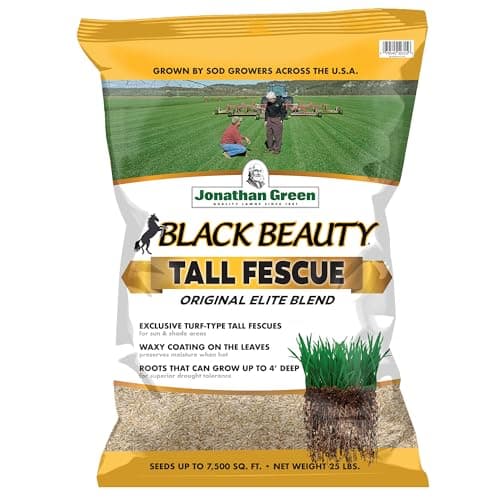
Jonathan Green Jonathan Green Black Beauty Tall Fescue Blend (25 lb)
Jonathan Green Black Beauty Tall Fescue Blend (25 lb)

The premium turf-type tall fescue blend, in a bag size that actually seeds a lawn. Black Beauty is the cultivar family lawn-care professionals name when asked what they would put down themselves.

The best-looking tall fescue lawn
7.6
$103.55Amazon
02
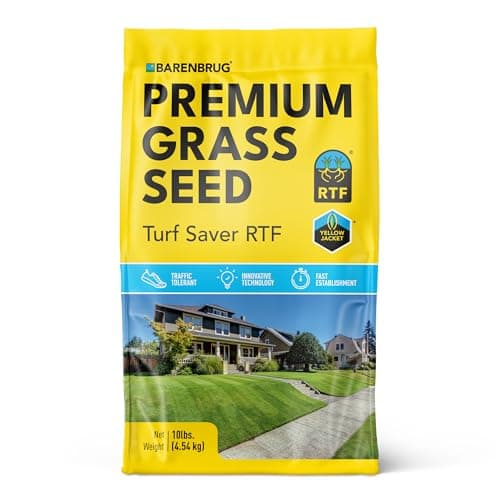
Barenbrug Barenbrug Turf Saver RTF Tall Fescue (10 lb)
Barenbrug Turf Saver RTF Tall Fescue (10 lb)

The one bag on this list that does something the others cannot: RTF is rhizomatous tall fescue, so it spreads sideways and fills its own thin patches instead of needing you to overseed them.

A lawn that repairs itself
8.4
$49.83Amazon
03
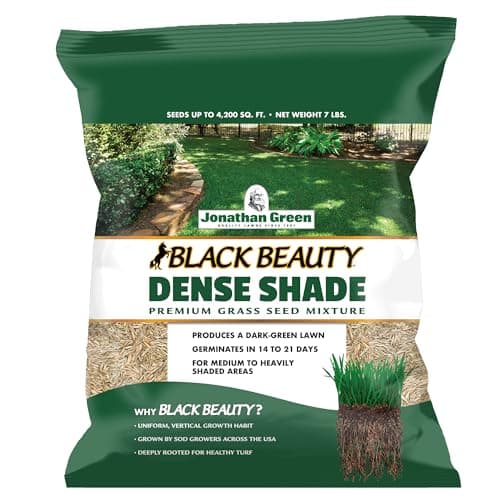
Jonathan Green Jonathan Green Black Beauty Dense Shade (7 lb)
Jonathan Green Black Beauty Dense Shade (7 lb)

The best shade seed on this list. A fine-fescue-led mixture from the Black Beauty family, built for the places where tall fescue thins out and bluegrass simply dies.

Genuine deep shade
7.4
$44.99Amazon
04
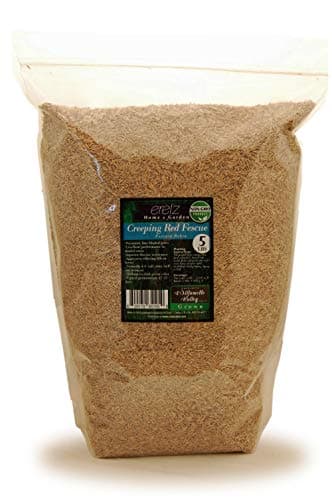
Eretz Eretz Creeping Red Fine Fescue (5 lb)
Eretz Creeping Red Fine Fescue (5 lb)

Single-species creeping red fescue, Oregon-grown, sold with no coating and no filler. The purist's shade seed — and the only creeping fine fescue here, so the only fine fescue that spreads.

Pure fine fescue, no fillers
8.0
$40.99Amazon
05
Outsidepride Outsidepride Legacy Fine Fescue Mix (10 lb)
Outsidepride Legacy Fine Fescue Mix (10 lb)

A fine fescue mixture sold as pure raw seed with a stated 0.00 percent other crop and weed seed. For seeding a large shaded area, this is the honest bulk option.

Seeding a large shaded area
7.6
$69.99Amazon

#ad · Live prices from the Amazon Product API, as of October 21, 2026. Where we have no verified live price, we show none — we would rather leave a gap than print a number that has rotted.

In detail

The picks, in full

01
Jonathan Green Jonathan Green Black Beauty Tall Fescue Blend (25 lb)

The best-looking tall fescue lawn

Jonathan Green Black Beauty Tall Fescue Blend (25 lb)

Turf-type tall fescue blend25 lb bagDeep-rooting cultivarsDark green color class
7.6/10

The premium turf-type tall fescue blend, in a bag size that actually seeds a lawn. Black Beauty is the cultivar family lawn-care professionals name when asked what they would put down themselves.

Species quality
10
Shade tolerance
7
Drought tolerance
9
Self-repair
4
Value per lb
8

Pros

  • A blend of several improved tall fescue cultivars rather than one, which spreads the risk of any single cultivar failing in your conditions
  • 25 lb is a real lawn's worth of seed at a sensible price per pound
  • The dark color class is the visible difference between this and a commodity fescue bag

Cons

  • Noticeably more expensive than Scotts or Pennington per bag
  • Still a bunch-type tall fescue, so it will not self-repair the way RTF does

Skip this if…

…the lawn is mostly deep shade. Tall fescue tolerates shade better than bluegrass but a fine fescue mix handles genuine gloom far better.

$103.55View on Amazon

Price as of October 21, 2026. Prices change — Amazon's is the one that counts.

#ad · we may earn a commission from this link to Jonathan Green Black Beauty Tall Fescue Blend (25 lb)

02
Barenbrug Barenbrug Turf Saver RTF Tall Fescue (10 lb)

A lawn that repairs itself

Barenbrug Turf Saver RTF Tall Fescue (10 lb)

Rhizomatous tall fescue (RTF)Yellow Jacket seed coating10 lb bagSelf-repairing
8.4/10

The one bag on this list that does something the others cannot: RTF is rhizomatous tall fescue, so it spreads sideways and fills its own thin patches instead of needing you to overseed them.

Species quality
10
Shade tolerance
7
Drought tolerance
9
Self-repair
10
Value per lb
6

Pros

  • Ordinary tall fescue is a bunch grass — it grows up, not out, so every bare patch stays bare until you reseed it. RTF puts out rhizomes and closes gaps on its own
  • The Yellow Jacket coating is a water-holding polymer coat, which helps germination on the days you miss a watering
  • Barenbrug sells the same seed into sports fields and parks, which is the honest reason to trust the genetics

Cons

  • Priced well above a commodity tall fescue bag per pound of seed
  • Coated seed weighs more per viable seed, so a 10 lb bag of coated seed sows less area than 10 lb of bare seed

Skip this if…

…you are seeding a large area on a budget. At this price per pound, covering a half acre gets expensive fast — Pennington's Rebels blend is the better value for sheer square footage.

$49.83View on Amazon

Price as of October 21, 2026. Prices change — Amazon's is the one that counts.

#ad · we may earn a commission from this link to Barenbrug Turf Saver RTF Tall Fescue (10 lb)

03
Jonathan Green Jonathan Green Black Beauty Dense Shade (7 lb)

Genuine deep shade

Jonathan Green Black Beauty Dense Shade (7 lb)

Fine fescue shade mixture7 lb bagBlack Beauty familyDense shade rated
7.4/10

The best shade seed on this list. A fine-fescue-led mixture from the Black Beauty family, built for the places where tall fescue thins out and bluegrass simply dies.

Species quality
9
Shade tolerance
10
Drought tolerance
7
Self-repair
5
Value per lb
6

Pros

  • Fine fescues are the most shade-tolerant cool-season turf grasses there are — this is the correct species choice for gloom, not a marketing claim
  • Fine blade texture, so it looks like a proper lawn rather than a patch job
  • Low fertility requirement: fine fescues want less feeding than tall fescue or bluegrass

Cons

  • Fine fescues do not take foot traffic well — a shaded path through it will wear through
  • Expensive per pound for a 7 lb bag

Skip this if…

…the area gets more than about four hours of direct sun. Fine fescue struggles in full sun and heat; a turf-type tall fescue blend is the better grass there.

$44.99View on Amazon

Price as of October 21, 2026. Prices change — Amazon's is the one that counts.

#ad · we may earn a commission from this link to Jonathan Green Black Beauty Dense Shade (7 lb)

04
Eretz Eretz Creeping Red Fine Fescue (5 lb)

Pure fine fescue, no fillers

Eretz Creeping Red Fine Fescue (5 lb)

100% creeping red fescue5 lb bagWillamette Valley grownNo coating, no filler
8.0/10

Single-species creeping red fescue, Oregon-grown, sold with no coating and no filler. The purist's shade seed — and the only creeping fine fescue here, so the only fine fescue that spreads.

Species quality
9
Shade tolerance
10
Drought tolerance
8
Self-repair
7
Value per lb
6

Pros

  • One species, stated plainly — you know exactly what is in the bag, which almost no retail mix tells you
  • Creeping red fescue spreads by short rhizomes, unlike the bunch-type fine fescues, so it knits
  • Uncoated seed means every pound you buy is seed rather than polymer coating

Cons

  • Uncoated seed is less forgiving about watering during germination
  • A single species has no backup if it does not suit your site

Skip this if…

…this is your first seeding and you water by hand when you remember. Coated seed in a mixture is far more forgiving; this bag rewards someone who will keep it damp for two weeks.

$40.99View on Amazon

Price as of October 21, 2026. Prices change — Amazon's is the one that counts.

#ad · we may earn a commission from this link to Eretz Creeping Red Fine Fescue (5 lb)

05
Outsidepride Outsidepride Legacy Fine Fescue Mix (10 lb)

Seeding a large shaded area

Outsidepride Legacy Fine Fescue Mix (10 lb)

Fine fescue mixture10 lb bag0.00% other crop / weed seedPure raw seed
7.6/10

A fine fescue mixture sold as pure raw seed with a stated 0.00 percent other crop and weed seed. For seeding a large shaded area, this is the honest bulk option.

Species quality
8
Shade tolerance
9
Drought tolerance
8
Self-repair
5
Value per lb
8

Pros

  • A stated 0.00 percent weed and other-crop seed is the cleanest purity figure on this list
  • 10 lb of uncoated seed sows far more area than 10 lb of coated seed
  • A mixture of fine fescues rather than one species, which is more robust across a varied shaded site

Cons

  • Uncoated, so germination is less forgiving of irregular watering
  • Sold by a seed house rather than a lawn brand — no feeding program or matching products

Skip this if…

…you only need to fix a shaded corner. A 10 lb bag of fine fescue is far more seed than a patch needs, and the Pennington 7 lb bag costs a third as much.

$69.99View on Amazon

Price as of October 21, 2026. Prices change — Amazon's is the one that counts.

#ad · we may earn a commission from this link to Outsidepride Legacy Fine Fescue Mix (10 lb)

Head to head

 Tall fescueFine fescue
Blade textureMedium to coarseVery fine, almost needle-like
Shade toleranceGood for a cool-season grassThe best of any cool-season turf
Foot trafficStrong - the reason it is used on play areasWeak; thins quickly under use
Heat and droughtVery good, from deep rootsGood at surviving drought, poor at looking good in heat
Fertilizer appetiteModerateLow - over-feeding actively harms it
Mowing heightTaller, around 3 to 4 inchesTolerates low cutting, or no cutting at all
Growth habitBunch-type; rhizomatous in RTF varietiesCreeping in red fescue, bunch-type in chewings and hard
Typical useThe whole lawnShade, slopes, low-maintenance areas

These are species characteristics documented in turfgrass literature and in the brands' own labels, not our measurements. Live prices with an “as of” date are above.

Tall fescue: the default, and usually correct

Turf-type tall fescue is the most planted lawn grass across the transition zone and much of the cool-season United States, and the reason is root depth. It roots deeper than bluegrass or ryegrass, which is why it holds color through a dry August when they go dormant, and why it recovers from traffic that flattens a finer grass.

Modern cultivars have narrowed the blade considerably from the old coarse pasture types. There is still a visible difference between a good turf-type blend and Kentucky 31, which is a forage fescue sold cheaply as lawn seed — K31 is the right choice for a ditch bank or a paddock and the wrong one for a front lawn.

One structural caveat: tall fescue is a bunch grass. It does not spread sideways to fill damage the way bluegrass does, so a worn patch stays a worn patch until you overseed it. The exception is rhizomatous tall fescue, which does creep — that is the whole proposition of Turf Saver RTF. The full category is in best fescue grass seed, and tall fescue covers the species in depth.

Fine fescue: the specialist that fails in the wrong place

Fine fescues do three things no other cool-season grass does well. They grow in real shade — under mature trees, on the north side of a house. They need very little nitrogen, which makes them the genuine low-maintenance choice. And they can be left unmown or mown rarely, which is why they turn up in no-mow and meadow mixes.

They fail in two predictable ways. Traffic destroys them: a fine fescue lawn where children play will be a dirt path by August. And heat with humidity is hard on them; they survive summer drought by going dormant rather than by staying green.

The family is not uniform either. Creeping red fescue spreads slowly by rhizome and knits together, which is why it is the backbone of most shade mixes. Chewings and hard fescue are bunch-type, finer and tougher in poor soil. Most bags are mixtures of several, which is sensible — a mixture hedges across the microclimates a shaded area always has. Pure single-species seed, like the Eretz creeping red, is for someone matching an existing stand or building a specific blend.

Which one your lawn chooses for you

Four or more hours of direct sun, anyone using the lawn: tall fescue.

Under two hours of direct sun, light use:fine fescue. Nothing else will hold there, and if even fine fescue thins out, the honest answer is that the site is too dark for turf and wants mulch or a shade planting — grass seed for shade covers where that line falls.

Dappled or partial shade, the most common real case: a sun-and-shade blend that contains both. This is not a compromise so much as a hedge: the tall fescue carries the sunnier strips, the fine fescue carries the darker ones, and the lawn sorts itself out.

A slope you do not want to mow: fine fescue, left long.

A dog, children and a sprinkler: tall fescue, and overseed it every fall.

Care is different, and feeding the wrong one is a real mistake

Tall fescue wants to be mown tall — three to four inches, which shades the soil, keeps roots cool and suppresses crabgrass germination. It takes a normal cool-season feeding program; see the fertilizer schedule.

Fine fescue wants less of everything. Over-fertilizing it forces soft growth that invites disease, and the low-input tolerance you bought it for disappears. Half the nitrogen you would give tall fescue is a reasonable starting point, and in genuine shade the grass is light-limited rather than nutrient-limited anyway — more fertilizer does not fix a dark corner.

Both are cool-season grasses, so both get seeded in fall and both go dormant in a hard summer drought. How to grow grass from seed applies equally to the two.

The verdict

Most lawns: tall fescue. Jonathan Green Black Beauty for looks, Turf Saver RTF where the lawn needs to repair itself.

Genuine shade: fine fescue. The Jonathan Green Dense Shade mixture is the easy answer.

A large shaded area: Outsidepride Legacy fine fescue mix, by the pound.

Matching an existing fine fescue stand: Eretz creeping red, which is pure seed with no coating or filler.

Part sun, part shade: a blend containing both, which is what most sun-and-shade bags are.
How we picked this

We haven't run this gear through a lab — and we say so

We compiled the published manufacturer specifications — deck width and gauge, drive type, blower CFM, fertilizer NPK, seed species — did the deck-width and nitrogen arithmetic, cross-read the owner manuals, and scored each pick against a published rubric. The scores are judgments from documented research — they are notlab measurements we took, because we don't have a lab and we're not going to pretend we do. Where somebody has genuinely measured this, we link them. You can check every number we publish.

Questions

Frequently asked

What is the difference between tall fescue and fine fescue?
They are different grasses that share a name. Tall fescue has medium-to-coarse blades, deep roots, strong heat and traffic tolerance, and makes up most American cool-season lawns. Fine fescue has needle-fine blades, the best shade tolerance of any cool-season turf, very low fertilizer needs - and almost no tolerance for foot traffic.
Which is better for shade, tall fescue or fine fescue?
Fine fescue, clearly. Tall fescue is good in shade for a cool-season grass; fine fescue is the best there is. Under about two hours of direct sun, fine fescue is the only one of the two with a real chance.
Can you mix tall fescue and fine fescue?
Yes, and most sun-and-shade bags already do. It is a sensible hedge across the different light conditions one lawn contains: the tall fescue carries the sunny strips and the fine fescue carries the dark ones.
Is fine fescue good for a family lawn?
No. Fine fescue thins quickly under foot traffic, so a lawn that children and dogs use will wear through. Tall fescue is the grass for that job, overseeded each fall.
Does fine fescue need less water than tall fescue?
It needs less input overall and survives drought by going dormant. Tall fescue stays green longer in a dry spell because it roots deeper. So fine fescue is lower maintenance; tall fescue looks better through a hot August.
How short should I mow fine fescue?
It tolerates low mowing and also tolerates not being mown, which is why it appears in no-mow mixes. Tall fescue is the opposite - keep it at three to four inches, because height is what shades its roots and suppresses crabgrass.

Keep reading

Receipts

Sources

We do not run a testing lab, and we do not pretend to. Every spec number here comes from a manufacturer's published sheet or an official standard, cited above. Where we could not verify something, we say so on the page rather than quietly leaving it out. Read our full method.