The Seed
Grass Seed & Fescue
Everything else on this site maintains a lawn. Seed is the one decision that chooses which lawn you are maintaining — and the species on the bag matters more than the brand on the front of it.
We earn a commission when you buy through our Amazon links, at no extra cost to you. It never changes our rankings — and we'll tell you when the cheaper bag or machine is the better buy. How this works.
Every other decision in lawn care is maintenance. Seed is the one decision that chooses which lawn you are maintaining — and once it is down, you live with it for a decade. Get the species right and the lawn largely looks after itself. Get it wrong and no amount of fertilizer, water or mowing technique will rescue it.
The single most important thing to understand is that the brand on the front of the bag tells you almost nothing, and the species list on the back tells you almost everything. Two bags both labelled “fescue” can contain a modern turf-type blend bred for fine-bladed lawn use, or coarse Kentucky 31 bred for grazing cattle. They cost very different amounts and they produce permanently different lawns. Turn the bag over.
Why tall fescue is the default across much of the US
Tall fescue holds its colour through summer heat better than Kentucky bluegrass, roots far deeper than perennial ryegrass, and tolerates meaningfully more shade than either. In the transition zone — the broad band across the middle of the country where it is too hot for comfortable bluegrass and too cold for reliable warm-season grass — it is close to the only sensible cool-season choice. That is why the species is so widely planted, and why our tall fescue guide is the page we would send most people to first.
Turf-type versus forage-type: the costliest label mistake in lawn care
Kentucky 31 is a tall fescue, and it is also a forage cultivar. It was selected for toughness and yield on pasture, not for appearance on a lawn, and it has a wide, coarse blade and a pronounced tendency to clump. It is cheap, it is on the shelf next to the good stuff, and it is the wrong thing to put on a lawn. Modern turf-type tall fescues — the cultivars in The Rebels, in Black Beauty, in Barenbrug's RTF — were bred for fine blades, density and colour. The best fescue grass seed roundup sorts which is which.
Bunch-type or rhizomatous: whether your lawn repairs itself
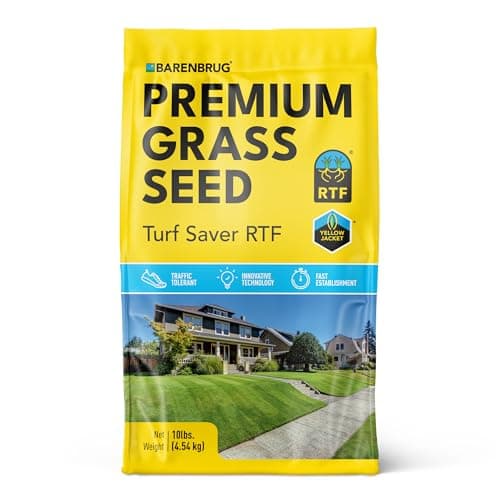
Ordinary tall fescue is a bunch grass. It grows upward from a crown and it does not spread sideways, which means every bare patch stays bare until you seed it. Kentucky bluegrass spreads by rhizomes and knits itself back together; so does rhizomatous tall fescue, sold as RTF. If your lawn takes wear — children, dogs, a path worn to the gate — that single property matters more than colour or blade width, and it is why the Barenbrug RTF tops our best grass seed ranking.
Shade needs a different species, not more of the same seed
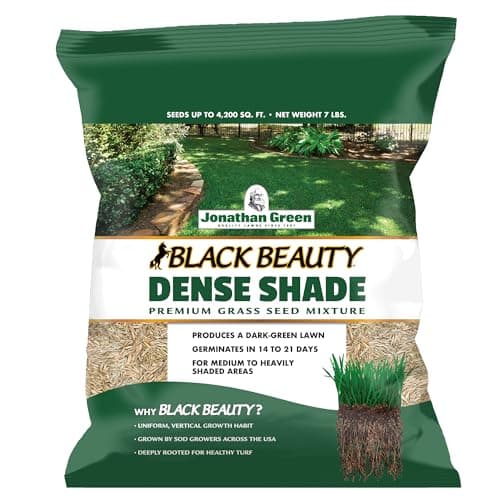
The commonest shade mistake is buying more of whatever is already failing. Fine fescues — creeping red, chewings, hard fescue — are the most shade-tolerant cool-season turf grasses there are, and they are a different group from tall fescue despite the shared name. They want less feeding and less water, and they do not take foot traffic well. Under trees, that trade is almost always worth making: best grass seed for shade ranks them.
Coverage rates, and the arithmetic nobody prints on the front
Seeding rate is where money gets wasted in both directions. Sow too thin and weeds take the gaps; sow too thick and the seedlings compete with each other and thin out anyway. Typical published rates for turf-type tall fescue are in the region of 6–8 lb per 1,000 square feet for a new lawn and roughly half that for overseeding — always check the bag, because coated seed weighs more per viable seed than bare seed does. A 10 lb bag of coated seed covers meaningfully less ground than 10 lb of uncoated seed, which is the hidden cost in a lot of premium bags.
Seed is only as good as the seedbed
Seed needs contact with soil, moisture for two to three weeks, and light. That is the whole requirement. It does not need expensive products, but it does need you to break the surface so the seed can reach soil rather than sitting on thatch — which is where a dethatcher or a spike aerator earns its place before you sow. And do not apply a crabgrass pre-emergent in the same season you seed: it will stop your fescue germinating just as effectively as it stops the crabgrass, a conflict we explain in best weed and feed.
Where to start
If you want one bag for a normal lawn, go to best grass seed. If you specifically want fescue — and in most of the country you should — the fescue roundup is the page. If the problem is shade, start at best grass seed for shade. And if you are weighing fescue against bluegrass for a cool-season lawn, tall fescue vs Kentucky bluegrass settles it.
Start here
The Best Grass Seed
Grass seed ranked by species, shade tolerance and coverage per bag, with live prices and the bag to avoid.
Read the guide →
Everything in this hub
All grass seed & fescue guides
Roundup
The Best Grass Seed
Grass seed ranked by species, shade tolerance and coverage per bag, with live prices and the bag to avoid.
Top pick · Barenbrug Turf Saver RTF Tall Fescue (10 lb)
Buyer's guide
Tall Fescue
What tall fescue is, where it grows, turf-type versus Kentucky 31, and the seeding arithmetic - with the bags we would buy.
Top pick · Barenbrug Turf Saver RTF Tall Fescue (10 lb)
Roundup
The Best Fescue Grass Seed
Fescue seed ranked by type - turf-type, rhizomatous and fine - with live prices and the forage bag to avoid.
Top pick · Barenbrug Turf Saver RTF Tall Fescue (10 lb)
Roundup
The Best Grass Seed for Shade
Shade seed ranked by species and shade tolerance, with live prices - and why buying more sun seed never works.
Top pick · Jonathan Green Black Beauty Dense Shade (7 lb)
Head to head
Tall Fescue vs Kentucky Bluegrass
Tall fescue against Kentucky bluegrass on heat, drought, shade and self-repair - with a pick for each case.
Top pick · Barenbrug Turf Saver RTF Tall Fescue (10 lb)