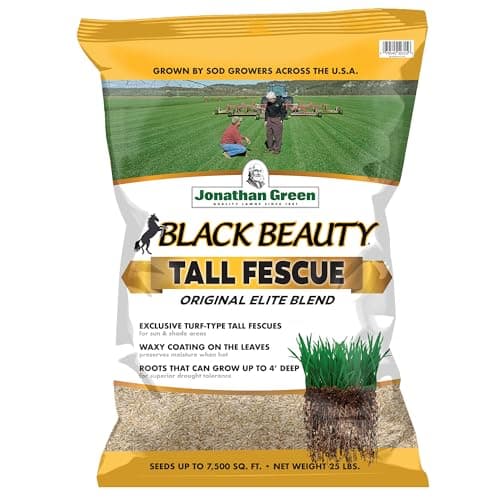
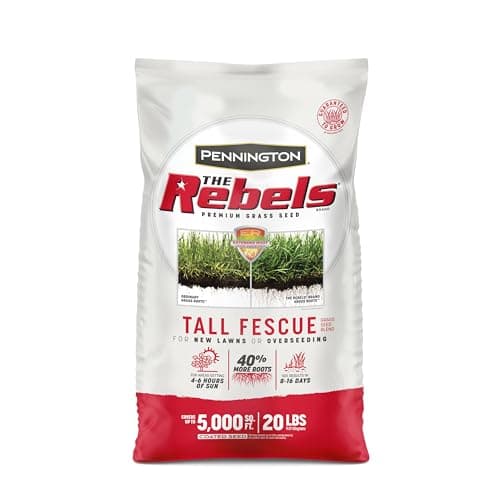
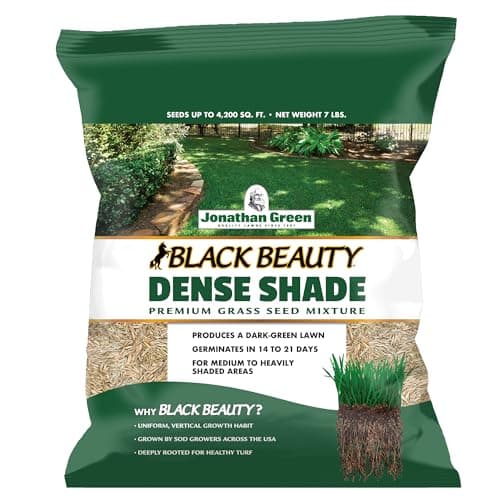
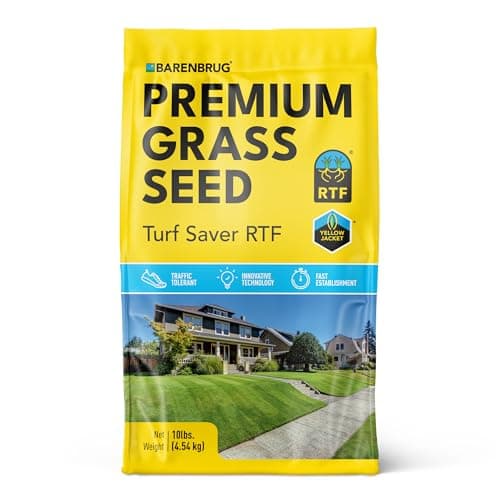
The best fescue seed for most lawns is Barenbrug Turf Saver RTF, and the reason is a single word on the bag: rhizomatous. It is the only fescue here that spreads sideways to close its own bare patches. For the best-looking lawn, Jonathan Green Black Beauty Tall Fescue is the premium blend; for seeding a real area without overspending, Pennington The Rebelsis the value pick; and for shade, the fescue you want is a different group entirely — fine fescue, in the Jonathan Green Dense Shade bag.
“Fescue” on a bag is almost uselessly broad. It covers three genuinely different things: turf-type tall fescue (the standard good lawn grass), forage-type tall fescue like Kentucky 31 (a pasture grass sold to lawn buyers), and the fine fescues (a separate group, the most shade-tolerant cool-season turf there is). Sorting those three out is most of what this page is for.
We have not grown any of these. The ranking reads the published seed labels and uses the independent cultivar trial data from the National Turfgrass Evaluation Program as the reference for how each group performs — see how we pick. For the species itself in more depth, read tall fescue.
The three fescues, sorted
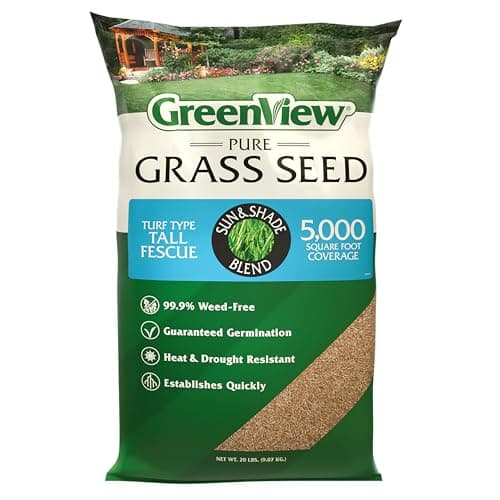
Turf-type tall fescue. The default good lawn grass for most of the country. Narrow-bladed modern cultivars, deep rooting, good heat and drought tolerance, takes part shade. Bunch-type, so it does not self-repair. The Rebels, Black Beauty and the GreenView blend are all this.
Rhizomatous tall fescue (RTF). Turf-type tall fescue selected to produce rhizomes, so it spreads and fills thin patches. Everything good about tall fescue, plus self-repair, at a price premium. Barenbrug Turf Saver RTF.
Fine fescues.Creeping red, chewings, hard fescue — a separate group with much finer blades, the best shade tolerance of any cool-season turf, low fertility needs, and poor wear tolerance. Not interchangeable with tall fescue despite the name. Our shade roundup is all about these.
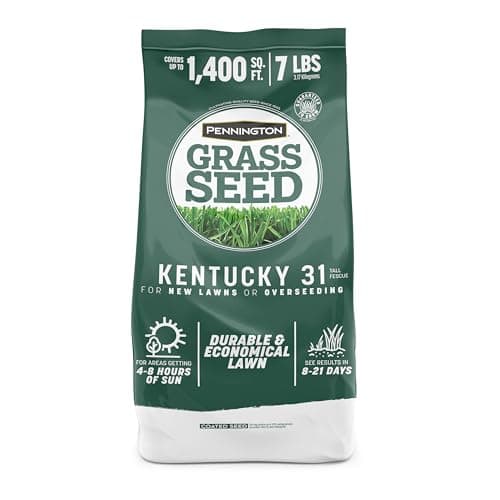
And the one to avoid for a lawn: forage-type tall fescue, which in practice means Kentucky 31. Bred for grazing, coarse-bladed, clumping, very cheap. Correct for a pasture or a ditch; wrong for a lawn, permanently.
How to choose between them
Start with light. Six hours of sun or more: turf-type tall fescue. Four to six hours: still tall fescue, ideally a sun-and-shade blend like the GreenView. Under about four hours, or genuine canopy shade: fine fescue, no argument.
Then ask about wear.A lawn with dogs, children or a worn route to the gate wants self-repair, which means RTF — or accepting that you will overseed the worn strip each autumn. Fine fescues are the worst of the group for wear, which is worth knowing before you put them on a shaded path.
Then ask about appearance versus budget. Black Beauty's darker colour class and finer texture is a real, visible difference over a commodity blend. Whether it is worth two to three times the price per pound depends on how closely you look at your lawn, and we would not argue with either answer.
Blend or mix. A blend is several cultivars of one species and gives a uniform look. A mix is several species and gives you robustness at the cost of visible texture differences. For overseeding an existing fescue lawn, match what is there or you will see the seam for a season.
Work out coverage, then price.Divide bag price by the label's stated coverage, not by weight — the Yellow Jacket coating on the Barenbrug bag means its 10 lb is not the same 10 lb as uncoated seed. Typical turf-type tall fescue rates are around 6–8 lb per 1,000 sq ft new, half that for overseeding.
Who should skip these
Skip Kentucky 31 for any lawn you intend to look at. It earns its place in this registry for pasture, banks and erosion control, and it is the single most common and most permanent seed-buying mistake in lawn care.
Skip the premium RTF if your lawn gets no wear and you are seeding a large area — you are paying for a property you will not use. And skip fine fescue in open sun: it is the best shade grass available and it does not enjoy full sun and heat.