A string trimmercuts grass horizontally in the places a mower deck cannot reach — around posts, along fences, under shrubs, against walls. A lawn edger cuts a clean vertical line where lawn meets pavement, with a steel blade that cuts down into the soil. Different planes, different cutting mechanisms, different jobs.
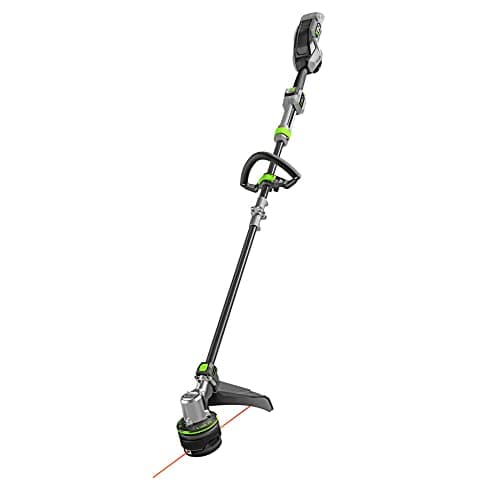
If you buy only one, buy the trimmer. It is the tool with the job you cannot avoid: every lawn has places a mower will not go, and grass there keeps growing. Our pick is the EGO Power+ ST1620T. An edger does a job you can live without — a soft lawn edge looks untidy but nothing breaks.
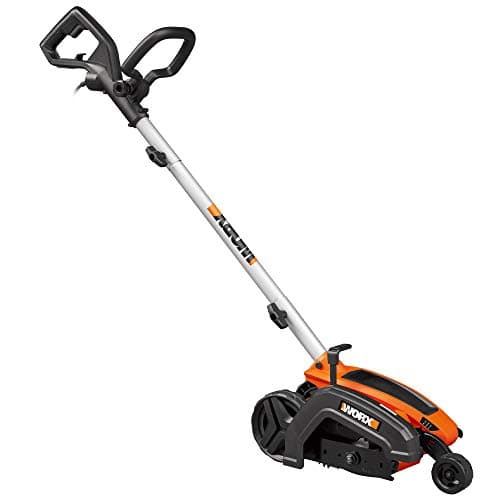
If you want the sharp line, buy the edger too. A string trimmer held sideways will approximate an edge, and it will approximate it badly: string cannot cut a trench into soil, so what you get is a scalped, ragged margin that creeps wider every time, rather than a defined edge. The WORX WG896 with a 7.5-inch blade cuts a real one.
And a terminology note, since people search all these ways. A weed wackeror weed eater is a string trimmer — same tool, regional name. A lawn edger is the bladed machine. The 2-in-1 tools below are string trimmers that rotate so the head faces sideways; that is an edging mode, not an edger.
Specifications below are published figures. We have not edged a driveway with any of them. See how we pick.
And the names that are not a different tool
An edger is genuinely a separate machine from a string trimmer. “Weed wacker” and “weed eater” are not - they are a nickname and a brand name for the trimmer itself. Which words describe which machine is set out in string trimmer vs weed wacker.
String trimmer vs edger: head to head
| | String trimmer | Lawn edger |
|---|
| Cutting plane | Horizontal | Vertical |
| What cuts | Nylon line at high speed | Steel blade |
| The job | Grass a mower cannot reach | A defined line at pavement |
| Cuts into soil? | No | Yes - that is the point |
| Works against walls and posts | Yes | No |
| Works on a bed edge with no pavement | Roughly | Yes, cuts a trench |
| Consumable | Line, constantly | Blade, occasionally |
| Can it do the other job? | Badly, and it scalps | No |
| Can you live without it? | No | Yes |
What each one is genuinely for
The trimmer handles everything vertical that a mower hits.Fence posts, clothes line poles, tree trunks, the gap between a shed and the lawn, under a hedge, around a mailbox. On most lawns that adds up to a surprising amount of grass, and no mower deck shape solves it. This is why the trimmer is the non-negotiable tool — see best string trimmer.
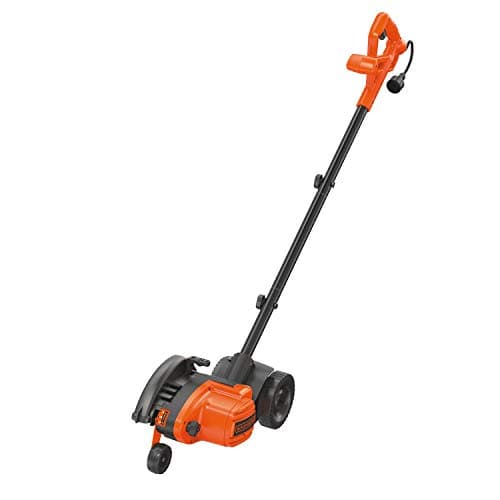
The edger creates the line between lawn and hardscape.Grass creeps over a driveway and path edge every season by rhizome and stolon. An edger cuts that back and down, leaving a narrow trench that reads as a crisp border and also stops the creep for months. The reason professionally maintained lawns look different from well-mown domestic ones is almost entirely this edge — it is the single highest-impact cosmetic job in lawn care. The ranking is in best lawn edger.
Why a trimmer makes a bad edger, specifically
Hold a string trimmer sideways and three things go wrong. The line cannot cut into soil, so instead of a trench you get grass scalped at ground level and a brown strip. The line wanders with the operator's hands, so the line is never straight — and a wobbly edge looks worse than no edge. And trimming against concrete destroys line at a rate that makes the whole exercise expensive, which is covered in best string trimmer line.
A bladed edger runs its wheel along the pavement, so the cut is straight by construction rather than by skill, and depth is set by a guide rather than by your wrists.
The 2-in-1 compromise, honestly assessed
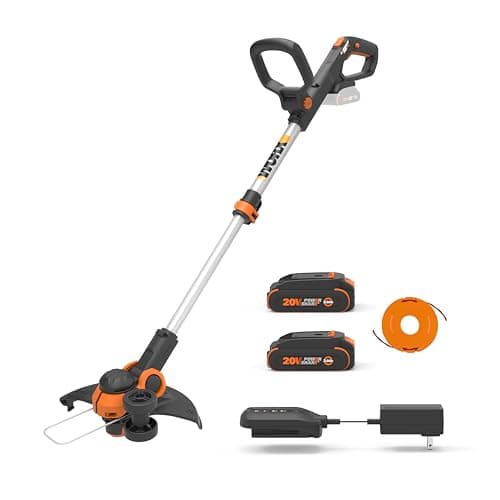
Plenty of string trimmers rotate the head 90 degrees and add a wheel, and are sold as trimmer-and-edger. The WORX WG163 is a good example and it is a genuinely useful tool.
What the mode does well: maintaining an edge that is already cut. If a crisp edge exists and you want to keep grass off the concrete, the string will do that happily every couple of weeks.
What it does not do: cut a new edge. String cannot slice into turf and soil, so on a lawn that has grown out over the path by two inches, a 2-in-1 trimmer scalps and makes a mess. That first cut needs a blade.
So the sensible path for most people is: buy a good trimmer with an edging mode, use it for upkeep, and either buy a bladed edger once or hire one for an afternoon to establish the edge in the first place. A half-moon hand edger and a string line will also do it, slowly, for very little money.
If you buy both, buy them on one battery platform
This is where real money is saved. A trimmer and an edger on the same battery system share packs and chargers, which cuts the cost of the second tool substantially — often more than choosing a cheaper brand would. The platform question is covered in best lawn mower brands, and it applies to handheld tools even more strongly than to mowers.
The verdict
Buying one tool: the string trimmer. There is grass a mower cannot reach on every lawn in the country.
Want the crisp driveway line: add a bladed edger. It is the highest-visual-impact tool in this hub and it does a job nothing else does.
Tight on money or space: a 2-in-1 trimmer, plus one proper edging pass with a blade or a hand edger to establish the line.
Already own both: use the edger first, then the trimmer, then the blower. Cutting the edge throws soil onto the pavement, so blowing last is the only order that leaves everything clean — see best leaf blower.
There is a middle option this comparison skips over: a 2-in-1 trimmer whose head rotates into an edging position, which is one tool, one battery and one thing to store. See the best trimmer and edger combos.