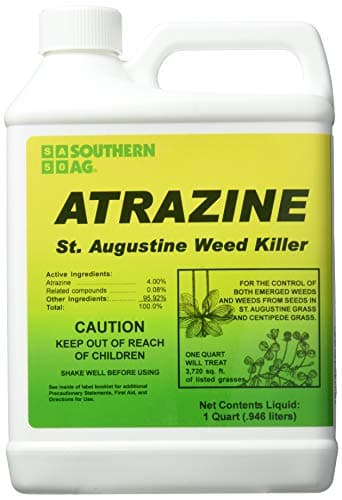
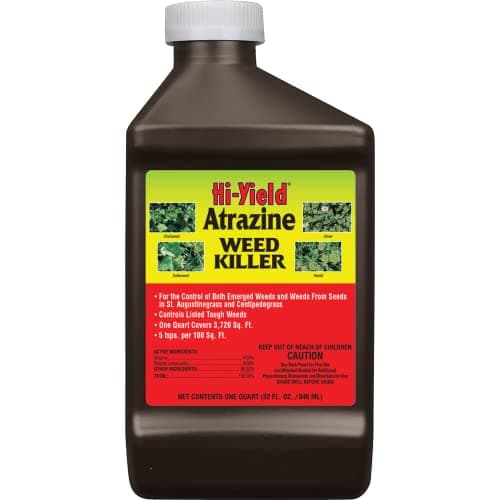
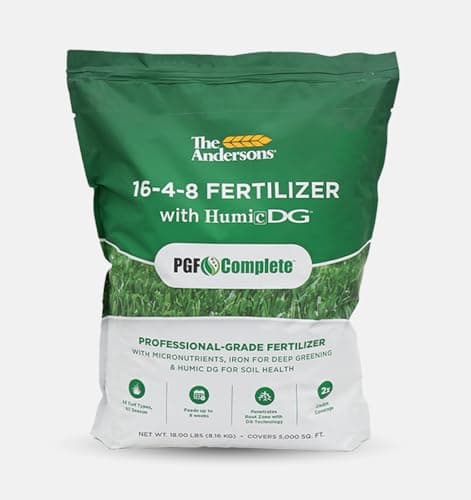
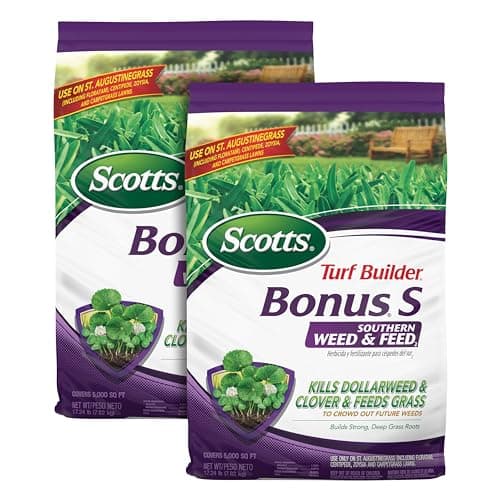
For a St. Augustine lawn, the weed and feed to buy is Scotts Turf Builder Bonus S Southern Weed & Feed2— the one mainstream granular bag built for this grass rather than merely tolerated by it. If you would rather treat weeds without pushing growth, or you want the cheapest route per thousand square feet, use an atrazine concentrate: Southern Ag Atrazine or Hi-Yield Atrazine, both labeled for St. Augustine and centipede. Then feed separately with The Andersons PGF Complete 16-4-8.
The reason this page exists as its own page is a chemistry problem, not a marketing one. The herbicide in a standard weed and feed is usually a mix built around 2,4-D, and St. Augustine — especially Floratam — is sensitive to it. The symptoms are not subtle: yellowing, curled runners, thinning, sometimes dead patches that take a season to grow back over. The product worked exactly as designed. It was the wrong lawn.
What St. Augustine wants instead is atrazine, which is the active ingredient in essentially every southern-lawn weed product on the shelf. Atrazine does two useful things at once: it kills broadleaf weeds that are already up, and it has pre-emergent activity against several weeds that have not germinated yet. It is also restricted or prohibited in some states and counties, so check your local rules before you order.
One hard rule before anything else on this page. Never put a product containing atrazine on bahia grass, and never put any weed and feed on a St. Augustine lawn you sprigged or sodded this year. New runners have no root system to absorb the hit.
We have treated no lawns. Everything here reads the label: active ingredient, the grasses it is cleared for, the NPK analysis and the stated coverage — see how we pick. Prices are live from the price layer with an “as of” date beside each product.
St. Augustine weed control compared
| Product | Type | Active | Feeds? | Best for |
|---|
| Scotts Bonus S Southern | Granular weed and feed | Atrazine | Yes | One-pass feed and weed |
| Southern Ag Atrazine | Liquid concentrate | Atrazine | No | Whole-lawn spray |
| Hi-Yield Atrazine | Liquid concentrate | Atrazine | No | Cheapest per 1,000 sq ft |
| Andersons PGF Complete | Granular fertilizer | 16-4-8 + humic | Yes | Feeding, no herbicide |
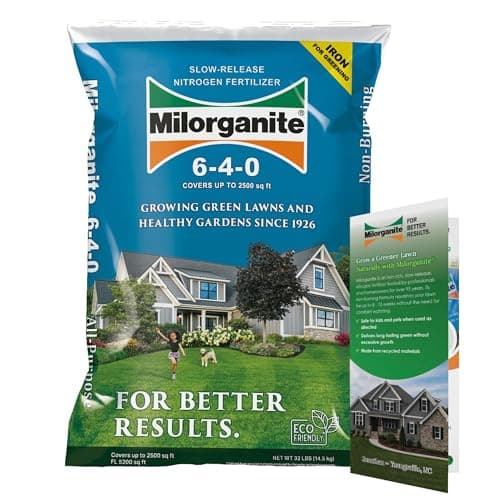
| Milorganite 6-4-0 | Granular fertilizer | 6-4-0 slow release | Yes | Summer feeding, no burn |
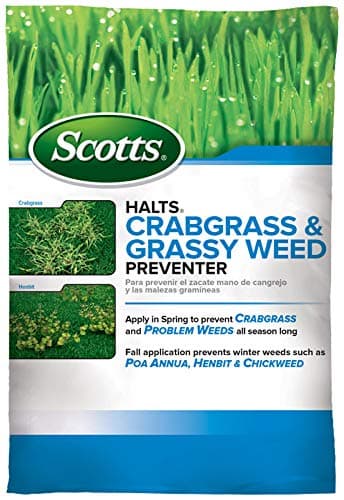
| Scotts Halts | Granular pre-emergent | Crabgrass preventer | No | Late winter, before weeds |
Active ingredients, labeled grasses, NPK analyses and stated coverage above are the figures each label publishes. Prices are live with an “as of” date beside each product.
Why St. Augustine needs atrazine rather than standard weed and feed
A standard northern weed and feed pairs nitrogen with a 2,4-D-based herbicide blend. That combination is fine on fescue, bluegrass and ryegrass, acceptable on fully green bermuda, and genuinely risky on St. Augustine. Floratam, the most widely planted St. Augustine cultivar across Florida and the Gulf Coast, is the most sensitive of the lot.
Atrazine is cleared for St. Augustine and centipede precisely because the grass tolerates it at label rates while the weeds do not. That tolerance is not infinite: atrazine still has to go down at the labeled rate, on a lawn that is not drought-stressed, and not when temperatures are above about 85 °F. Exceed the rate or treat a stressed lawn and you can damage St. Augustine with atrazine too.
The other common southern option is a product built on atrazine plus fertilizer, which is what Bonus S is. The convenience is real; the trade-off is that you are deciding to feed and to treat weeds on the same day, and those two jobs do not always want the same week.
When to apply it, and why March is the month
Late February through March is the main window across the Gulf Coast and central Florida, and that is why demand for this page peaks in March. Winter weeds are actively growing and visible, the grass is waking but not yet in hard growth, and temperatures are still below the range where atrazine stresses St. Augustine.
A second application in the fall — October into November in most of the zone — catches the next flush of winter annuals before they establish. That is usually the more valuable of the two if you only do one.
Do not treat in summer.Above about 85 °F, atrazine on St. Augustine stops being a weed treatment and starts being a risk to the lawn. If weeds appear in July, spot-treat the individual weeds and wait for fall. For the general calendar see our lawn fertilizer schedule.
How to apply a granular weed and feed so it actually works
Granular weed and feed only works if the herbicide sticks to the weed leaf, which means the lawn has to be damp when you spread and dry afterwards. Water the lawn or spread on morning dew, then keep irrigation off for 24 to 48 hours. Spreading onto a dry lawn and watering it in is the single most common reason a bag appears to do nothing: you washed the herbicide off the leaf and into the soil.
Use a spreader with edge control and calibrate it to the rate on the bag — guessing costs you either money or a damaged lawn. Our broadcast spreader roundup ranks on edge control, and broadcast vs drop spreader explains which pattern suits a lawn with beds around it.
Best weed control for St. Augustine grass without the fertilizer
Plenty of southern lawns do not want extra nitrogen at the moment the weeds need treating — a lawn that is already growing fast enough to need cutting twice a week does not need pushing. In that case, separate the jobs: spray an atrazine concentrate for the weeds, then feed on your own schedule with a slow-release granular.
The concentrates are also dramatically cheaper per thousand square feet than any granular bag, which matters on the large lots common across Florida and Texas. The cost of that saving is that you need a sprayer and have to measure properly.
The products that will damage a St. Augustine lawn
Anything built on 2,4-D as its main active, which covers most standard northern weed and feed bags, most “all-in-one” lawn weed killers and several ready-to-spray bottles. Read the label for the grasses it lists; if St. Augustine is absent from the list, that absence is the answer.
Any product containing dicamba at broadcast rates, which is in a lot of the same blends. And non-selective killers— glyphosate, salt-and-vinegar products — which kill whatever they touch and belong on a driveway, never on a lawn. For the safer end of the shelf generally, see safest weed killer for lawns.
Who should skip these
Skip every atrazine product on this page if your lawn is bermuda or bahia. Bermuda has its own roundup at best weed and feed for bermuda, and bahia must not be treated with atrazine at all.
Skip them too if you live somewhere atrazine is restricted — several states and counties limit or prohibit residential use, and that is worth thirty seconds of checking before you order.
And skip the weed and feed entirely on a lawn sodded or sprigged within the last year. Feed it, water it, pull the weeds by hand, and treat it properly next season.