Skip to content
Fairway&Fescue

The Seed · Grass Seed & Fescue

When to Plant Grass Seed

Soil temperature decides this, not the month. Cool-season seed wants 50-65F soil and falling air temperatures; warm-season seed wants the opposite.

By Stephen V.Updated How we pick
#ad

We earn a commission when you buy through our Amazon links, at no extra cost to you. It never changes our rankings — and we'll tell you when the cheaper bag or machine is the better buy. How this works.

For tall fescue and every other cool-season grass, late summer into early fall is the best time to plant grass seed — roughly when soil temperature is in the 50s and 60s Fahrenheit and falling, which in most of the country means six to eight weeks before your first expected frost. That window gives seed warm soil to germinate in, cooling air that does not cook the seedlings, far less weed competition than spring, and two growing seasons to root before the next summer. Spring is the second-best window and a real one; early summer is the worst. Warm-season grasses like bermudagrass invert the whole thing and want late spring into early summer, once soil is reliably above about 65°F.

The reason the calendar is the wrong tool here is that seed responds to the soil, not the date. Germination is a soil-temperature event: a tall fescue seed sitting in 45°F soil is not slow, it is inactive. That is why “plant in April” is useless advice across a country where April soil ranges from frozen to 70°F, and why the same bag of seed succeeds in September and fails in June.

We have no test plot and have measured nothing. The soil temperature ranges and seeding windows below are standard turfgrass establishment practice as published by seed labels and university extension services; the frost-date arithmetic is arithmetic — see how we pick. Prices on the products are live from the price layer with an “as of” date.

The short answer

Quick picks

#ProductBest forScorePrice
01
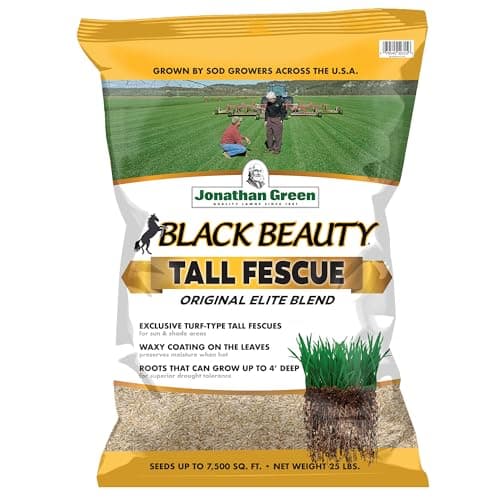
Jonathan Green Jonathan Green Black Beauty Tall Fescue Blend (25 lb)
Jonathan Green Black Beauty Tall Fescue Blend (25 lb)

The premium turf-type tall fescue blend, in a bag size that actually seeds a lawn. Black Beauty is the cultivar family lawn-care professionals name when asked what they would put down themselves.

The best-looking tall fescue lawn
7.6
$104.13Amazon
02
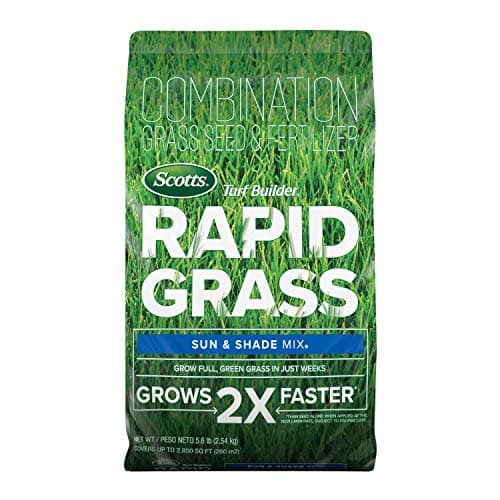
Scotts Scotts Turf Builder Rapid Grass Sun & Shade (5.6 lb)
Scotts Turf Builder Rapid Grass Sun & Shade (5.6 lb)

Seed and fertilizer combined in one bag, so a new patch gets fed at germination without a second application. The convenience pick for a one-afternoon repair.

Seed and feed in one bag
5.6
Check price →
03
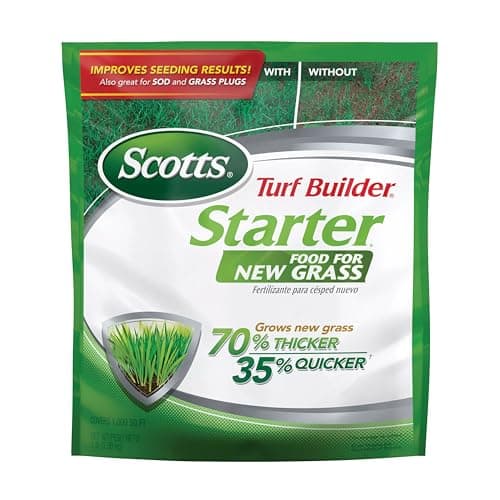
Scotts Scotts Turf Builder Starter Food for New Grass (3 lb)
Scotts Turf Builder Starter Food for New Grass (3 lb)

A phosphorus-forward starter feed in a small bag. Seedlings need phosphorus for root development in a way established grass does not, and this is the cheap way to give it to them.

Feeding newly sown seed
6.8
$18.47Amazon
04
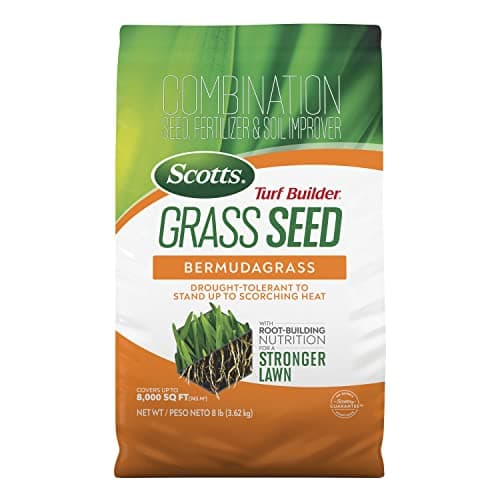
Scotts Scotts Turf Builder Grass Seed Bermudagrass (8 lb)
Scotts Turf Builder Grass Seed Bermudagrass (8 lb)

The most widely stocked bermudagrass seed in the country, and the one most Southern lawns get started with. Bermuda spreads by runner, so an 8 lb bag seeds far more ground than the same weight of fescue.

Best-known bermuda seed
5.8
$64.97Amazon

#ad · Live prices from the Amazon Product API, as of October 20, 2026. Where we have no verified live price, we show none — we would rather leave a gap than print a number that has rotted.

In detail

The picks, in full

01
Jonathan Green Jonathan Green Black Beauty Tall Fescue Blend (25 lb)

The best-looking tall fescue lawn

Jonathan Green Black Beauty Tall Fescue Blend (25 lb)

Turf-type tall fescue blend25 lb bagDeep-rooting cultivarsDark green color class
7.6/10

The premium turf-type tall fescue blend, in a bag size that actually seeds a lawn. Black Beauty is the cultivar family lawn-care professionals name when asked what they would put down themselves.

Species quality
10
Shade tolerance
7
Drought tolerance
9
Self-repair
4
Value per lb
8

Pros

  • A blend of several improved tall fescue cultivars rather than one, which spreads the risk of any single cultivar failing in your conditions
  • 25 lb is a real lawn's worth of seed at a sensible price per pound
  • The dark color class is the visible difference between this and a commodity fescue bag

Cons

  • Noticeably more expensive than Scotts or Pennington per bag
  • Still a bunch-type tall fescue, so it will not self-repair the way RTF does

Skip this if…

…the lawn is mostly deep shade. Tall fescue tolerates shade better than bluegrass but a fine fescue mix handles genuine gloom far better.

$104.13View on Amazon

Price as of October 20, 2026. Prices change — Amazon's is the one that counts.

#ad · we may earn a commission from this link to Jonathan Green Black Beauty Tall Fescue Blend (25 lb)

02
Scotts Scotts Turf Builder Rapid Grass Sun & Shade (5.6 lb)

Seed and feed in one bag

Scotts Turf Builder Rapid Grass Sun & Shade (5.6 lb)

Seed + fertilizer combinationSun & shade mix5.6 lb bagRapid Grass line
5.6/10

Seed and fertilizer combined in one bag, so a new patch gets fed at germination without a second application. The convenience pick for a one-afternoon repair.

Species quality
6
Shade tolerance
7
Drought tolerance
6
Self-repair
4
Value per lb
5

Pros

  • New seedlings genuinely do want phosphorus at establishment, and this puts it exactly where the seed is
  • One trip, one bag, one pass — no separate starter fertilizer to buy and spread
  • Good for someone who will do this once and not come back to it for a year

Cons

  • You are paying seed prices for the fertilizer portion of the bag's weight, so the effective seed cost is high
  • Combination products give you no control over the feeding rate

Skip this if…

…you are seeding a real area. Buy a 20 lb seed bag and a separate starter fertilizer — you will pay less and get to control the feed rate.

Check price on Amazon →

No buyable offer at the last price check (October 20, 2026). We show nothing rather than a stale number.

#ad · we may earn a commission from this link to Scotts Turf Builder Rapid Grass Sun & Shade (5.6 lb)

03
Scotts Scotts Turf Builder Starter Food for New Grass (3 lb)

Feeding newly sown seed

Scotts Turf Builder Starter Food for New Grass (3 lb)

Starter fertilizer analysis3 lb bagFor new seed and sodPhosphorus-forward
6.8/10

A phosphorus-forward starter feed in a small bag. Seedlings need phosphorus for root development in a way established grass does not, and this is the cheap way to give it to them.

Analysis quality
8
Spread evenness
7
Coverage per bag
3
Ease of use
9
Value
7

Pros

  • Phosphorus at establishment is one of the few genuinely evidence-backed fertilizer timings in lawn care
  • A 3 lb bag matches the size of a patch job, so nothing goes stale in the garage
  • Cheap enough to buy alongside every bag of seed

Cons

  • A 3 lb bag is far too small for a whole new lawn
  • Some states and municipalities restrict phosphorus fertilizer — check your local rules

Skip this if…

…you are feeding an established lawn. Established turf rarely needs added phosphorus, and a 16-4-8 or Turf Builder is the correct product there.

$18.47View on Amazon

Price as of October 20, 2026. Prices change — Amazon's is the one that counts.

#ad · we may earn a commission from this link to Scotts Turf Builder Starter Food for New Grass (3 lb)

04
Scotts Scotts Turf Builder Grass Seed Bermudagrass (8 lb)

Best-known bermuda seed

Scotts Turf Builder Grass Seed Bermudagrass (8 lb)

Bermudagrass8 lbWarm-seasonSpreads by stolon and rhizome
5.8/10

The most widely stocked bermudagrass seed in the country, and the one most Southern lawns get started with. Bermuda spreads by runner, so an 8 lb bag seeds far more ground than the same weight of fescue.

Heat tolerance
10
Shade tolerance
1
Winter color
2
Spread / repair
10
Price
6

Pros

  • Bermuda spreads laterally, so it fills in from a thinner seeding than fescue ever will
  • Full sun heat tolerance that no fescue matches - it thrives at temperatures fescue goes dormant in
  • Stocked everywhere, which matters when you are seeding to a weather window

Cons

  • Goes dormant and straw-brown through winter, which is the trade nobody mentions before you sow
  • Needs full sun - bermuda in shade thins out and dies

Skip this if…

…you live north of the transition zone or your lawn has shade. Bermuda will not survive a northern winter as a lawn and it will not grow under trees; tall fescue does both.

$64.97View on Amazon

$86.4925% off

Price as of October 20, 2026. Prices change — Amazon's is the one that counts.

#ad · we may earn a commission from this link to Scotts Turf Builder Grass Seed Bermudagrass (8 lb)

First: which kind of grass are you planting?

Every timing answer below depends on this, and it is a species question rather than a brand one.

Cool-season grasses— tall fescue, fine fescue, Kentucky bluegrass, perennial ryegrass — grow hardest in spring and fall and go semi-dormant in summer heat. These are the lawns of the northern two thirds of the country and the transition zone. Their window is late summer into fall.

Warm-season grasses— bermudagrass, zoysia, St. Augustine, centipede — grow hardest in summer heat and go dormant and brown after frost. These are southern lawns, and their window is late spring into early summer, the opposite end of the year. The species case either way is in fescue vs bermuda.

If you are not sure which you have, the simple tell is winter: a lawn that stays green through a frost is cool-season; a lawn that turns straw-brown after the first hard frost and greens up in May is warm-season.

The windows, by soil temperature

WindowSoil temperatureBest forVerdict
Late summer to early fallRoughly 50-65°F and fallingCool-season: fescue, bluegrass, ryegrassBest window of the year
Early to mid springRoughly 50-65°F and risingCool-season, and repairsSecond best; weed pressure is the problem
Late spring to early summer65°F and aboveWarm-season: bermuda, zoysiaBest window for warm-season seed
MidsummerAbove 70°F, dryingNothing cool-seasonWorst time to sow a cool-season lawn
Late fall to winter (dormant seeding)Below 40°F, staying coldCool-season, on bare groundWorks, but it is a gamble with timing

Soil temperature is measured a couple of inches down, not air temperature. A cheap soil thermometer settles the question in ten seconds, and many state extension services publish current soil temperature maps through the growing season.

Why fall beats spring for cool-season seed

This is the single most useful thing on this page, because most people sow in spring and most of those lawns would have done better in September.

The soil is already warm and the air is cooling.That combination is exactly what a seedling wants: warm soil drives germination, cool air means less heat stress and less evaporation while the roots are still shallow. Spring is the reverse — cold soil delaying germination, and air warming toward summer right as the seedlings need a gentle month.

Weed competition is a fraction of spring’s. Crabgrass and most summer annual weeds germinate in spring, in the same soil-temperature band as your grass seed, and they grow faster. In fall they are finishing rather than starting, so your seedlings are not racing anything.

You get two growing seasons before summer. Fall-sown grass roots through the fall, goes quiet in winter, then grows hard all spring before it ever meets heat. A spring-sown lawn meets its first summer with a few weeks of root behind it, which is the usual reason a new spring lawn thins out in July.

The pre-emergent conflict disappears.Spring is also crabgrass preventer season, and a pre-emergent that stops crabgrass seed germinating stops grass seed germinating too — they do not distinguish. Seeding in fall takes the whole conflict off the table. If you must seed in spring, skip the pre-emergent on the seeded area and plan on hand-weeding; the detail is in best crabgrass preventer.

Working out your own fall date

Two rules, and they agree with each other in most places.

Count back from first frost. New grass wants about six to eight weeks of growing weather before the first hard frost to establish properly. Find your average first frost date and count back. In the upper Midwest and New England that often puts the window in mid-to-late August; in the mid-Atlantic and transition zone, September; in the upper South, late September into October.

Or watch the soil. Sow when soil temperature has dropped back to the mid-60s and is still falling. That is the same moment, expressed in the variable the seed actually responds to, and it adjusts itself for an unusual year in a way a calendar date cannot.

Miss the window and sow too late and the seed may germinate but not root enough to survive winter heaving, or may not germinate at all and simply sit until spring. That second outcome is not a disaster — it is dormant seeding by accident — but it means a thin spring lawn rather than a thick fall one.

Spring seeding, done properly

Plenty of lawns have to be seeded in spring: a bare patch after winter, a repair after a dead tree, a new build finished in March. It works. Three adjustments make it work better.

Go as early as the soil allows,not as early as the calendar allows. Sow once soil has reached the low 50s and is rising — earlier than that and the seed simply waits, exposed to birds and rain.

Choose a fast-establishing product so the seedlings get ahead of the summer weeds. A coated seed-and-feed combination like Scotts Turf Builder Rapid Grass is built for exactly this: it germinates quickly and carries its own feed, which is why it is on this page rather than a slower premium blend.

Accept that you are watering all summer. A spring lawn has shallow roots going into its first heat, so it depends on you through July and August in a way a fall lawn does not.

Warm-season seeding: the opposite calendar

Bermudagrass, zoysia and the other warm-season grasses need soil reliably above about 65°F to germinate and will rot or simply sit in anything cooler. That means late spring to early summer — after the last frost, once the soil has genuinely warmed, with the whole hot growing season ahead for the lawn to fill in. Sowing bermudagrass in fall is the one clear mistake in this category: it germinates into shortening days and then gets killed by the first frost.

Seeded bermudagrass such as Scotts Turf Builder Bermudagrassis the common route for a southern lawn from seed. Note that several warm-season grasses — most St. Augustine, and many zoysia cultivars — are not practical from seed at all and are established from sod, plugs or sprigs, which is a timing question with the same answer: do it in the heat.

Dormant seeding, and when it makes sense

Dormant seeding means sowing cool-season seed in late fall or winter onto bare soil that is too cold for germination, and letting freeze-and-thaw cycles work the seed into contact with the soil so it sprouts the moment spring soil warms. It is a real technique, it is cheap, and it suits bare patches you could not get to in September.

The catch is that it is a gamble on timing. Sow during a warm spell and the seed may germinate and then be killed by cold. Sow onto snow or frozen crust and it may wash away. The sweet spot is cold soil that is going to stay cold, and nobody knows that in advance. Treat it as a bonus attempt on an area you will reseed in spring anyway, not as a plan.

Timing is half the job; the other half is the first three weeks

A perfectly timed sowing still fails if the seedbed dries out. Seed needs consistent moisture from the day it goes down until the seedlings are established — light watering once or twice a day rather than a heavy soak every few days, because the top half inch of soil is the only part that matters while the roots are that short. Fall timing helps here too: cooler air and more rain mean less watering than a spring or summer sowing demands.

Feed it at the same time. Seedlings use phosphorus for root development in a way established grass does not, which is the entire argument for a starter fertilizer such as Scotts Turf Builder Starter Food for New Grass rather than your normal lawn feed. The full method, in order, is in how to grow grass from seed; the starter-feed options are ranked in best starter fertilizer for new grass; and how much seed to put down is in how much grass seed do I need.

The short version

Cool-season lawn, whole lawn or overseed: late summer to early fall, six to eight weeks before first frost, soil in the 50s to mid-60s and falling. Seed a quality tall fescue blend like Jonathan Green Black Beauty Tall Fescue, feed with a starter fertilizer, and water lightly twice a day for three weeks. For overseeding specifically, see best fescue seed for overseeding.

Cool-season lawn in spring: as early as the soil reaches the low 50s, with a fast-establishing product, no pre-emergent on the seeded ground, and a commitment to water through summer.

Warm-season lawn:late spring into early summer, soil above 65°F, after the last frost.

Midsummer, cool-season: wait. Six weeks of patience in July buys a far better lawn in September.
How we picked this

We haven't run this gear through a lab — and we say so

We compiled the published manufacturer specifications — deck width and gauge, drive type, blower CFM, fertilizer NPK, seed species — did the deck-width and nitrogen arithmetic, cross-read the owner manuals, and scored each pick against a published rubric. The scores are judgments from documented research — they are notlab measurements we took, because we don't have a lab and we're not going to pretend we do. Where somebody has genuinely measured this, we link them. You can check every number we publish.

Questions

Frequently asked

What is the best month to plant grass seed?
There is no national month, because it depends on your frost date and your grass type. For cool-season grasses the best window is six to eight weeks before your first expected frost - mid-to-late August in the upper Midwest and New England, September in the mid-Atlantic, late September into October in the upper South. Warm-season grasses are seeded in late spring to early summer instead.
What soil temperature does grass seed need to germinate?
Cool-season grasses - tall fescue, fine fescue, bluegrass, ryegrass - germinate with soil in roughly the 50-65F range. Warm-season grasses such as bermudagrass need soil reliably above about 65F. Measure a couple of inches down; air temperature is not a reliable stand-in.
Is it better to plant grass seed in spring or fall?
Fall, for any cool-season grass, and by a wide margin: warm soil with cooling air, far less weed competition, two growing seasons of root development before the next summer, and no conflict with crabgrass pre-emergent. Spring works but is harder on every one of those counts.
Can I plant grass seed in summer?
Cool-season seed sown in midsummer is the worst-case scenario - hot dry soil, heat stress on shallow-rooted seedlings and heavy watering demand. If a patch has to be fixed in July, keep it small, water it twice a day and expect to redo it properly in the fall. Warm-season seed, on the other hand, is happy in early summer.
How late in the fall can I plant grass seed?
Allow six to eight weeks of growing weather before the first hard frost. Later than that and seed may germinate without rooting enough to survive the winter, or may simply sit until spring - effectively dormant seeding, which gives a thin spring lawn rather than a thick fall one.
Can I use a crabgrass preventer when I seed?
No. A pre-emergent stops seeds germinating and does not distinguish between crabgrass and the grass you just sowed. Either seed in fall and keep the pre-emergent for spring, or skip the pre-emergent on the seeded area and hand-weed. Products labeled for use at seeding exist; follow the label rather than a rule of thumb.
How long does grass seed take to come up?
It depends on species and soil temperature. Perennial ryegrass is the quickest, tall fescue is in the middle, and Kentucky bluegrass is the slowest by a wide margin. Cold soil stretches all of those out, which is another reason to sow in the right window rather than earlier.

Keep reading

Receipts

Sources

We do not run a testing lab, and we do not pretend to. Every spec number here comes from a manufacturer's published sheet or an official standard, cited above. Where we could not verify something, we say so on the page rather than quietly leaving it out. Read our full method.