Plant tall fescue if your winters are cold or your lawn has any shade. Plant bermuda if your summers are long and brutal and your lawn is in full sun. That sentence settles the question for most people, because these two grasses do not really compete — they fail in each other’s conditions. Fescue is a cool-season grass that stays green all year, tolerates shade better than anything else sold by the bag, and goes dormant and thin in extreme heat. Bermuda is a warm-season grass that thrives at temperatures fescue surrenders in, spreads aggressively enough to repair itself, needs full sun, and turns straw-brown every winter.
If you are in the transition zone — roughly the band from northern Georgia through Tennessee, Arkansas and Oklahoma into Kansas, Missouri and Virginia — then you are the person for whom this is genuinely a choice, and the deciding question is what you are willing to tolerate. Fescue there means a green lawn year-round that thins in August and needs overseeding most autumns. Bermuda there means a dense, tough lawn all summer that is brown from the first hard frost until spring. There is no option that is green in January and bulletproof in July; anyone who tells you otherwise is selling seed.
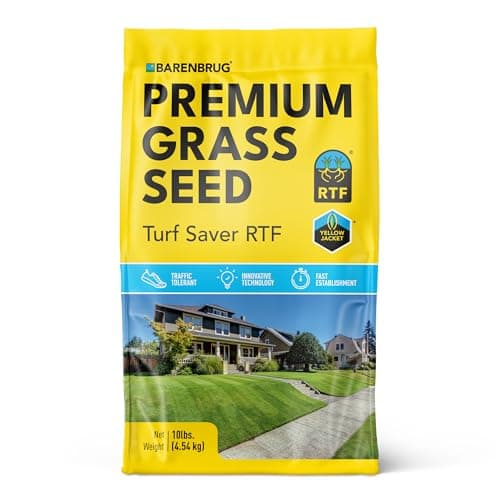
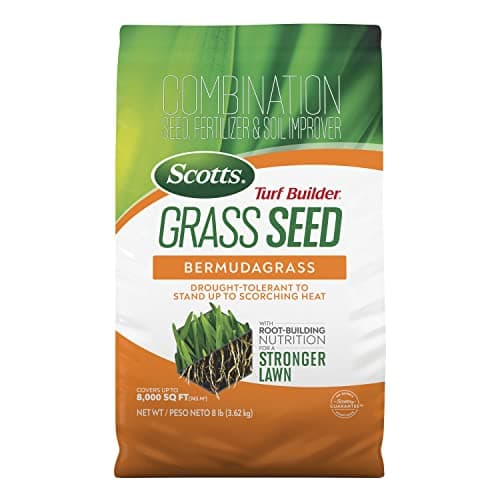
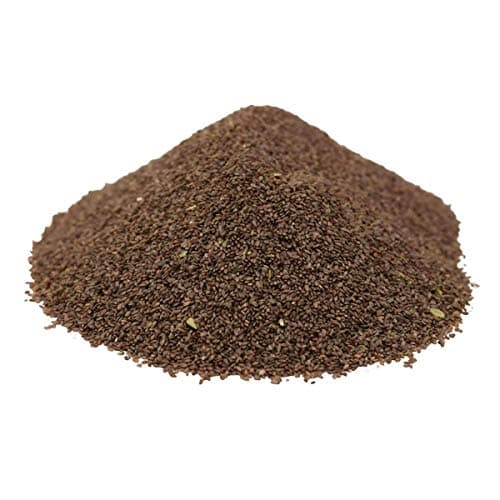
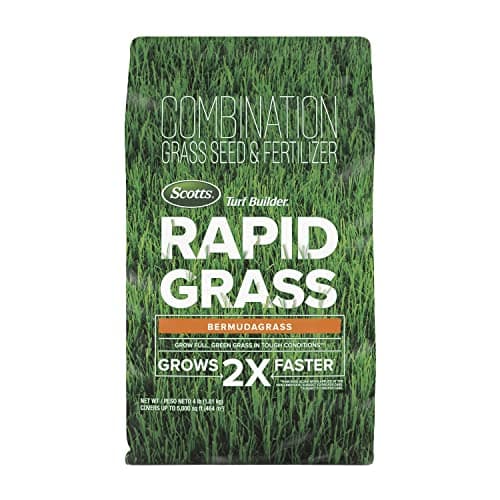
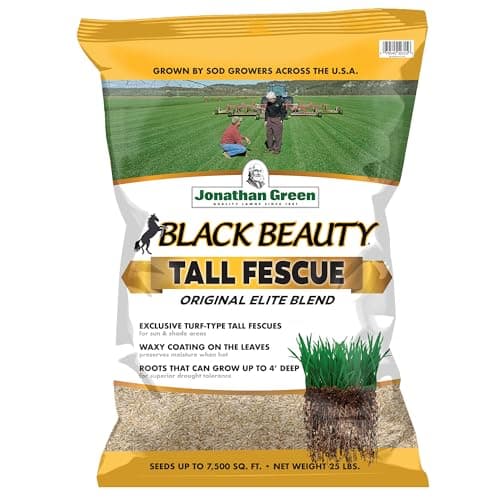
For a fescue lawn, the seed to buy is Jonathan Green Black Beauty Tall Fescue for its deep-rooting cultivars, or Barenbrug Turf Saver RTF if you want the rhizomatous type that spreads slightly rather than growing only in clumps. For a bermuda lawn, Scotts Turf Builder Bermudagrass is the widely stocked default, Hancock’s Common Bermuda is the cheapest honest way to seed real acreage, and Scotts Rapid Grass Bermudagrass bundles the starter feed in for a first-timer.
Everything below reasons from the species agronomy and the seed labels — what is in the bag, what each species tolerates — not from a lawn we grew. See how we pick. Prices are live from the price layer with an “as of” date.
Fescue vs bermuda: head to head
| | Tall fescue | Bermudagrass |
|---|
| Season type | Cool-season | Warm-season |
| Winter color | Stays green | Dormant, straw-brown |
| Peak growing season | Spring and autumn | Summer |
| Extreme heat | Thins, may go dormant | Thrives |
| Shade | Best of any common lawn grass | Fails - needs full sun |
| How it grows | Bunch-type (RTF types creep slightly) | Spreads by stolon and rhizome |
| Self-repair | Poor - bare spots need reseeding | Excellent - fills in on its own |
| Wear tolerance | Good | Excellent |
| Water need in heat | Higher | Lower |
| Mowing height | Taller, roughly 3-4 in | Shorter, roughly 1-2 in |
| Establishes from seed | Fast - days to germinate | Slower, needs warm soil |
| Overseeding needed? | Most autumns in hot regions | Rarely - it repairs itself |
| Best region | North, and transition zone shade | South, full sun |
The characteristics above are species agronomy, consistent across the published seed labels and the cultivar trial data we cite. Individual cultivars vary within a species — which is the whole point of buying a named blend rather than a generic bag.
Fescue grass seed vs bermuda: the five things that actually decide it
1. Your winter. Bermuda goes fully dormant below about 55 degrees and turns brown. In the deep South that is a short, tolerable period. Further north it is most of the year, and a bermuda lawn in Kentucky is a brown lawn from October to April. Fescue holds color through winter, which is the single biggest reason it is the most planted lawn grass across much of the country.
2. Your shade.This one is close to absolute. Bermuda needs full sun; under trees it thins and dies, and there is no bermuda cultivar that fixes this. Tall fescue is the most shade-tolerant of the common lawn grasses, and fine fescues are better still. If your lawn has mature trees, the decision is already made — see the best grass seed for shade.
3. Your summer. The flip side. Where July and August run long and relentless, fescue thins out and needs water to hold on, while bermuda does its best growing of the year. If your lawn goes patchy every August no matter what you do, that is fescue telling you something about your climate.
4. Whether the lawn repairs itself.Bermuda spreads by above-ground stolons and below-ground rhizomes, so it genuinely fills in damage — dog paths, a sandbox removed, a dead patch from a spill. Tall fescue is bunch-type: each plant grows where it germinated and gets a bit wider, but it does not run. A bare spot in fescue stays bare until you reseed it. If your lawn takes a beating from children or dogs, that difference matters more than anything in the color column. The RTF rhizomatous tall fescues narrow the gap slightly and do not close it.
5. Whether bermuda’s spreading is a feature or a problem.The same aggression that repairs a lawn also sends bermuda into your flower beds, under edging and across into a neighbor’s fescue. People who love bermuda lawns often spend real effort keeping bermuda out of everything else. Fescue stays where you put it.
Bermuda grass seed vs tall fescue: what each one asks of you
A fescue lawnwants mowing tall — three to four inches, which shades its own roots and crowds out weeds — water through the worst of summer, its biggest feed in autumn, and overseeding most autumns if you are in a hot region, because what thins in August does not come back on its own. In return it is green all year and copes with shade. The ranking is in fescue grass seed and the species detail in tall fescue.
A bermuda lawnwants mowing short and often — one to two inches, which usually means more frequent cuts than a fescue lawn, and ideally a mower that cuts cleanly low — which rules out most rotary decks, as best mowers for bermuda grass sets out. It wants its nitrogen through summer rather than autumn, which inverts the whole cool-season feeding calendar in our fertilizer schedule. It needs less water once established. And it needs you to accept the brown dormancy, or to overseed annually with ryegrass for winter color, which is a job in itself.
Seeding timing also inverts. Fescue is sown in autumn, into soil that is still warm with cooling air ahead of it — the easiest establishment window there is. Bermuda is sown in late spring to early summer, once the soil is genuinely warm, and germinates more slowly. Sow either one in the other’s window and you will get a poor result from good seed.
The transition zone: what we would actually do
If you are in the band where both will grow, here is the honest framework.
Choose fescue if: your lawn has any meaningful shade; you want green grass in winter; the lawn is ornamental more than it is a playing surface; or you would rather overseed in autumn than look at brown grass for four months.
Choose bermuda if: your lawn is full sun; it takes heavy traffic from children, dogs or sport; your summers are the hard part of your year rather than your winters; or you want a lawn that repairs itself without you reseeding it.
Do not try to mix them.This is the one genuinely bad idea. The two grasses have opposite mowing heights, opposite feeding calendars and opposite dormancy periods, so a mixed lawn looks wrong in both seasons — patchy green and brown in winter, and a texture clash all summer. Pick one and commit the whole lawn to it.
Which seed to buy for each
Fescue:Jonathan Green Black Beauty Tall Fescue is the pick for its deep-rooting named cultivars. Barenbrug Turf Saver RTF is the choice if self-repair is your worry — it is a rhizomatous tall fescue, so it creeps slightly where ordinary tall fescue does not. The thing to avoid is a bag labeled simply “fescue” that turns out to be Kentucky 31 pasture seed: coarse, cheap and a decade-long regret on a lawn.
Bermuda:Scotts Turf Builder Bermudagrass is the widely stocked default and an easy first purchase. Hancock’s Common Bermuda, coated and hulled, is pure seed by weight with no mulch or fertilizer bulk — the cheapest way to seed real acreage, at the cost of a coarser texture than improved varieties. Scotts Rapid Grass Bermudagrass bundles seed and starter feed in one bag, which costs more per pound of seed and saves a beginner a decision.
Whichever side you land on, use a proper starter fertilizer when you sow and again six weeks later — it is the cheapest thing you can do to make good seed succeed. See the best starter fertilizer for new grass.
If you are in Texas specifically
Texas is where this comparison is hardest, because the state spans four USDA zones: bermuda is the obvious answer in Houston and a brown-lawn-for-months answer in Amarillo, while North Texas and Dallas sit in the transition zone where both are compromises. The region-by-region version is best grass seed for Texas, and the feeding program a bermuda lawn needs is in best lawn fertilizer for bermuda.