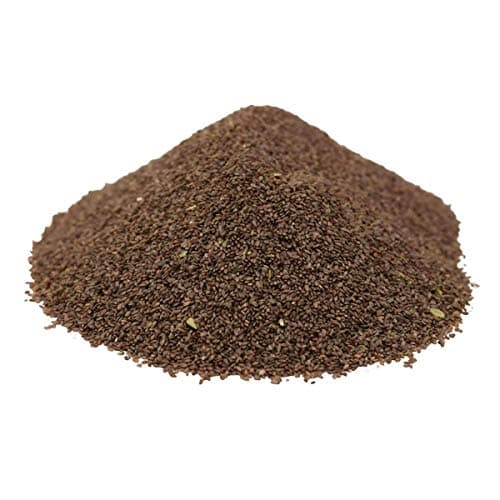
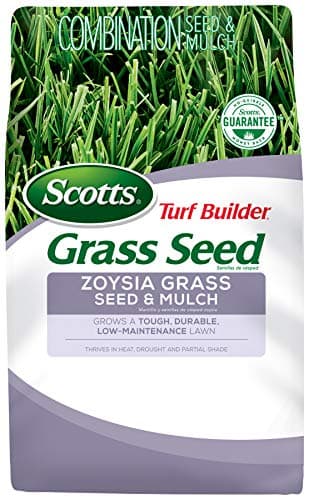
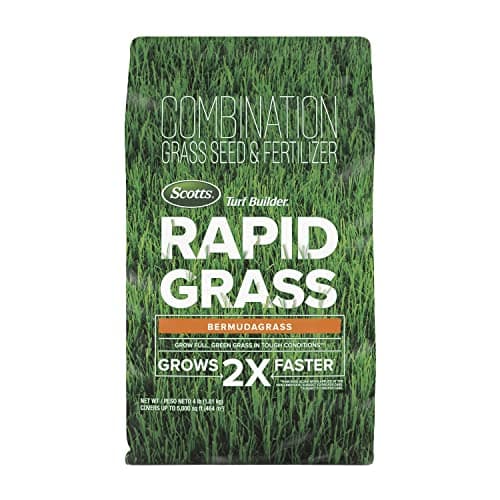
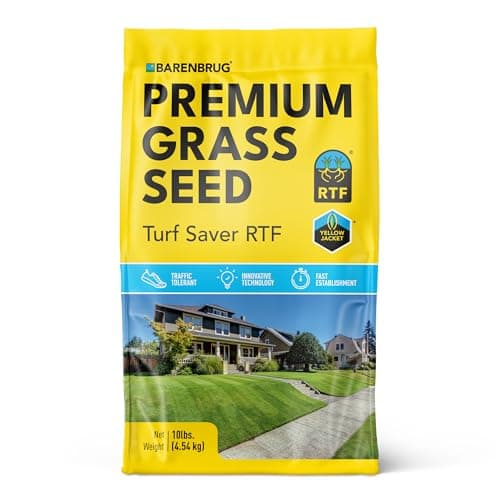
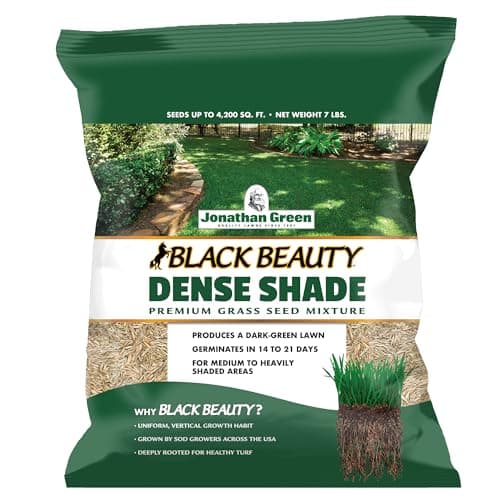
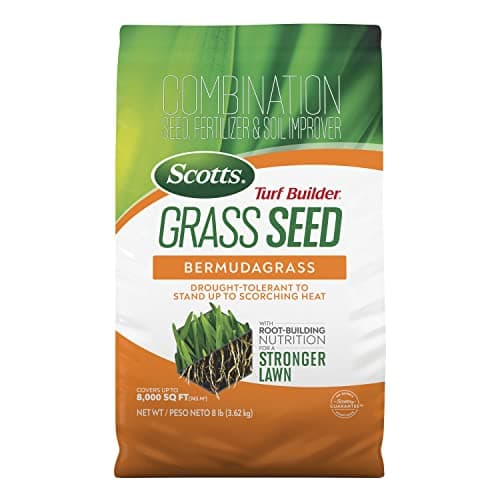
For most of Texas the best grass seed is bermudagrass — the Scotts Turf Builder Bermudagrass bag is the easy pick, and Hancock's coated common bermuda is the value buy for a big area. It is the one common lawn grass that genuinely thrives in Texas heat and repairs itself by stolon and rhizome. If your lawn has light shade, zoysia is the warm-season grass that tolerates it, and it is one of the very few besides bermuda you can establish from seed. And in North Texas, including the Dallas-Fort Worth area, a turf-type tall fescue like the Barenbrug Turf Saver RTF stays green through winter where bermuda goes brown for months.
Texas is the hardest state in the country to answer this question for, because it spans four USDA zones and runs from 50 inches of annual rain in the east to under 15 in the west. Houston and Amarillo are not the same lawn problem. So this page is organized by where you are and what your lawn looks like, not by a single winner.
The honest caveat first: St. Augustine, the grass many Texas lawns actually have, is not sold as seed.It is established from sod or plugs, and no bag of seed will give it to you. If you have St. Augustine and want more of it, buy sod. What you can do for a St. Augustine lawn is feed and weed it correctly — see weed control for lawns.
Species, coverage rates and bag weights below are what the labels publish; the regional agronomy is standard practice and the cultivar trial data we cite, not our own test plot. See how we pick.
Find your part of Texas
| Region | First choice | Why |
|---|
| North Texas / Dallas-Fort Worth | Turf-type tall fescue, or bermuda | Real winters: fescue holds color, bermuda goes dormant for months |
| Central Texas / Austin, San Antonio | Bermuda | Long brutal summers; fescue struggles without heavy irrigation |
| East Texas / Houston, Tyler | Bermuda in sun, zoysia in light shade | Heat plus humidity plus tree cover |
| West Texas / Lubbock, Midland | Bermuda | Lowest water need of anything that makes a lawn there |
| Any region, mature trees | Zoysia, or fine fescue in the north | Bermuda fails in shade, full stop |
| Any region, needs green by a date | Coated bermuda, in warm soil | Coating holds moisture around the seed |
Bermuda: the default answer, and why
Bermudagrass is a warm-season grass that does its best growing in exactly the weather that kills a cool-season lawn. It takes full Texas sun, it needs less water than fescue once established, it tolerates wear from children and dogs, and — the spec that matters most and gets mentioned least — it repairs itself. Bermuda spreads by above-ground stolons and below-ground rhizomes, so a dead patch fills in without you reseeding it. Tall fescue is bunch-type and a bare spot in fescue stays bare.
Two real costs. First, winter color: bermuda goes dormant below about 55 degrees and turns straw brown. In Houston that is a short period; in Amarillo it is most of the year. Second, mowing: bermuda wants cutting short, roughly one to two inches, and it grows fast in summer, so it is a more frequent mow than a fescue lawn. The mower roundup covers decks that go that low.
Sow it when soil is genuinely warm — late spring into early summer, not March. Soil temperature, not air temperature, is what germinates warm-season seed, and sowing cold is the usual reason a bermuda seeding fails.
Zoysia: for the Texas lawn with trees
Zoysia is the warm-season answer to shade. It takes more of it than bermuda does, it makes a dense turf that crowds out weeds, and it is very heat and wear tolerant once established. In East Texas, under oaks, it is often the only warm-season grass that works.
The trade is patience. Zoysia from seed is slow — it takes a full season or more to knit together, and the bare ground in between invites the weeds you were trying to avoid. A seed-and-mulch coated product helps, because the coating holds moisture around each seed on a hot site, but it does not make zoysia fast. If you need a lawn this year, sod or plugs are the realistic route to zoysia, and bermuda is the realistic route from seed.
North Texas: the fescue case
Dallas-Fort Worth sits in the transition zone, which means both options are compromises and you get to pick which compromise. A turf-type tall fescue lawn in North Texas stays green through winter, takes shade, and needs supplemental water through July and August to avoid thinning. A bermuda lawn there handles summer effortlessly and is brown from November to April.
If winter color matters to you and you have irrigation, sow a modern turf-type tall fescue — a rhizomatous type like RTF has slightly more self-repair than ordinary bunch-type fescue, which helps in heat. Do it in autumn, never spring: a spring-sown fescue lawn in Texas meets its first July with a six-week-old root system, which is the most common way a Texas fescue seeding dies. The full ranking is in best fescue grass seed, and the head-to-head is fescue vs bermuda.
Shade in Texas, specifically
Bermuda does not grow in shade. There is no bermuda cultivar that fixes this and no bag that gets around it — under a mature live oak, bermuda thins and dies. Your options are zoysia (warm-season, shade tolerant, slow), fine or tall fescue in the northern half of the state, St. Augustine from sod, or accepting that the area under the tree is a bed rather than a lawn. That last one is a legitimate answer and it is cheaper than three failed seedings. See best grass seed for shade.
The seeding arithmetic and the water
Bermuda sows at roughly one to two pounds per 1,000 square feet for a new lawn — dramatically less than fescue, which wants six to eight. Read your bag: coated and hulled seed changes the rate, and the label states the coverage. Buying bermuda seed by fescue rates is a very expensive mistake.
Then water. New seed of any species needs the top half inch kept damp until germination, which in Texas summer means light watering more than once a day, every day, for two to three weeks. This is the part that decides whether a seeding works, and no product substitutes for it. Once established, water deeply and infrequently instead — the EPA WaterSense guidance is the standard reference, and deep infrequent watering is what drives roots down far enough to survive a Texas August.
Who should skip seeding altogether
Skip seed if you have St. Augustine and want more of it: buy sod or plugs. Skip spring-sown fescue anywhere in Texas. Skip zoysia seed if you need a usable lawn this season. And skip any seeding in July — sowing into peak Texas heat wastes the seed and the water, whichever species is in the bag.