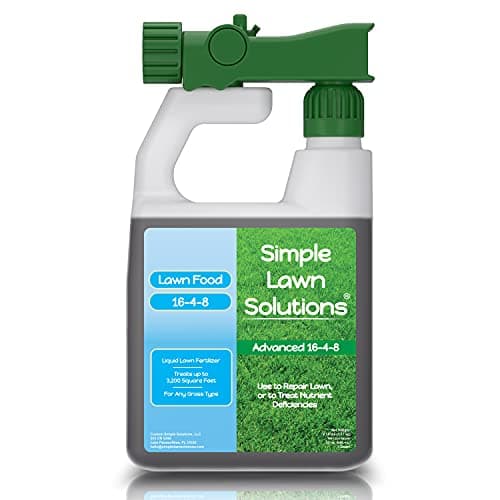
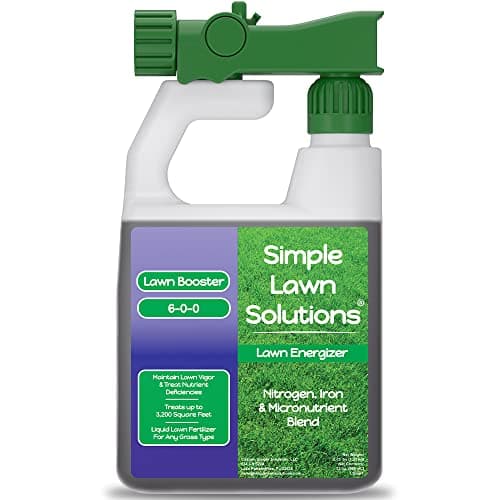
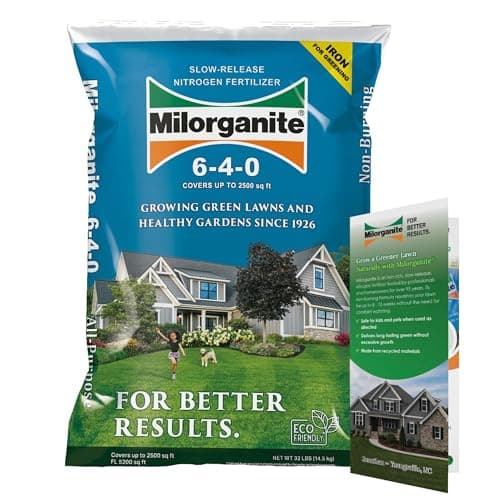
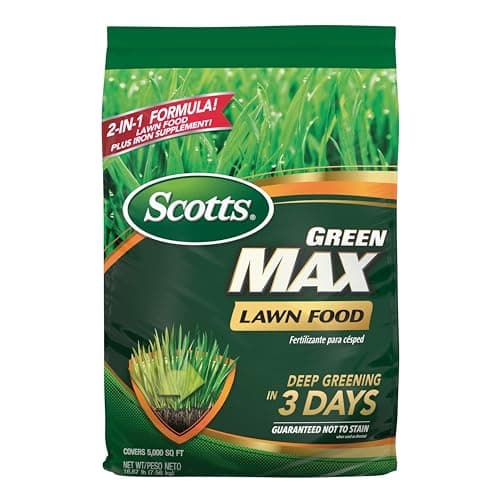
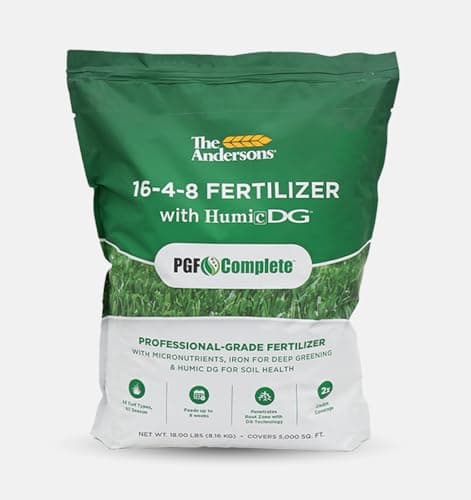
The best lawn fertilizer for bermuda is The Andersons PGF Complete 16-4-8, because bermuda is a nitrogen crop and 16 percent nitrogen in a fine, evenly spreadable granule is the right shape for the four to six feedings a bermuda lawn wants between green-up and early autumn. If you want color without another mow, the Simple Lawn Solutions Lawn Energizer adds iron instead of more growth. And if you are nervous about burning a lawn in Southern heat, Milorganite cannot burn it.
Here is the thing that makes bermuda different from every cool-season lawn on this site. Bermuda grows by stolon and rhizome through the hottest part of the year, and it will use between three and six pounds of nitrogen per 1,000 square feet across a season — roughly double what a tall fescue lawn wants. Underfeed bermuda and it thins, lets weeds in and never fully covers. Feed it properly and it is the most aggressive, most self-repairing lawn grass you can grow in the South.
So the ranking below is nitrogen-first, with release rate second and the phosphorus number treated with suspicion — an established bermuda lawn rarely needs more phosphorus, and plenty of states restrict it. NPK figures and coverage rates are what the labels publish; the pounds-per-1,000 arithmetic is ours, derived from those. We have not spread any of it on a test lawn. See how we pick. Prices come from the live price layer with an “as of” date.
The arithmetic: how much nitrogen a bermuda lawn actually needs
The rule for any lawn is one pound of actual nitrogen per 1,000 square feet per application. To find how much product that is, divide 100 by the first NPK number. A 16-4-8 bag: 100 ÷ 16 = 6.25 lb of product per 1,000 square feet. A 32-0-4 bag: 100 ÷ 32 = 3.1 lb. Same nitrogen on the lawn, half the bag weight — which is the whole reason the analysis matters more than the brand.
Bermuda then wants that pound repeated every four to six weeks through its growing season, for a seasonal total around three to five pounds per 1,000 square feet on a home lawn. That is the figure that separates a bermuda program from a fescue program, and it is why a single spring bag is not a bermuda feeding plan. The full month-by-month version is in the lawn fertilizer schedule.
Bermuda feeding: the calendar that matters
Wait for full green-up. This is the mistake that costs people a season. Bermuda goes dormant below about 55 degrees and comes out of it slowly. Feeding dormant or half-dormant bermuda feeds the weeds, because the cool-season weeds in a dormant bermuda lawn are the only things growing. Wait until the lawn is genuinely green and actively growing, which in most of the South means late April or May.
Then feed every four to six weeks through summer. June, July and August are bermuda's best months, which is the opposite of the cool-season calendar in our summer fertilizer guide. Where a fescue lawn needs you to back off in July, a bermuda lawn wants feeding straight through it.
Stop about four to six weeks before your first frost. Late nitrogen pushes tender growth into a cold snap and invites winter kill and spring dead spot. The cool-season fall winterizer strategy does not transfer to bermuda — a warm-season lawn goes into dormancy, not into a root-building autumn.
Why iron does something nitrogen cannot
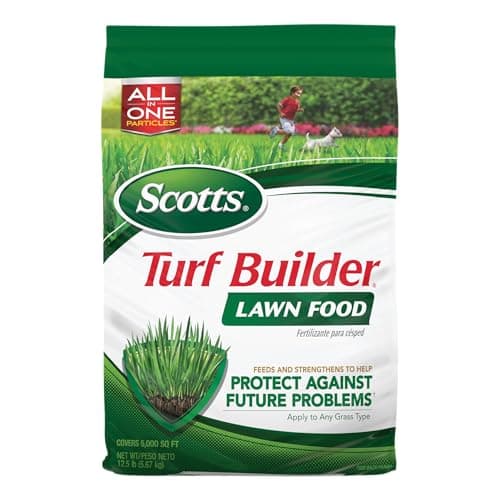
Every bermuda owner eventually hits the same wall: they want the lawn darker, and more nitrogen just means more mowing. Iron is the answer. It deepens color by supporting chlorophyll without driving top growth, which is why it is standard practice on golf turf. The Lawn Energizer and Scotts Green Max are both here for that job.
One warning worth more than the product: iron stains. Overspray on a driveway, a brick path or a white fence leaves rust marks that do not wash off. Sweep granules off hardscape before watering in, and keep the sprayer pointed at grass.
Granular or liquid for bermuda?
Granularis the backbone. It is cheaper per pound of nitrogen, it releases over weeks rather than days, and a slow-release granule is far more forgiving in heat. Spread it with something that has edge control — see the spreader roundup — and water it in.
Liquid is for speed and for midsummer. Foliar feeding works when the lawn is in heat stress and a heavy granular dose would be risky, and the response shows in days rather than weeks. It is a supplement to a granular program, not a replacement for one: a 32 oz bottle does not carry the pounds of nitrogen a season needs.
What bermuda does not need
Weed-and-feed in summer.The two jobs want different timing on a bermuda lawn — pre-emergent goes down before soil warms, nitrogen goes down after green-up. Doing both in one pass means one of them is mistimed. Our weed-and-feed page is honest about when the combination earns its place.
Extra phosphorus. An established lawn rarely needs it, and runoff rules restrict it in many states. The 4 in 16-4-8 is plenty. Phosphorus matters when you are seeding, which is a starter fertilizer job.
A soil test is worth more than this page. Your state extension service will test a soil sample cheaply and tell you your actual pH and phosphorus and potassium levels. We cannot do that for you and no ranking can substitute for it.
Feeding is half of it
The other half is the weeds, and on a warm-season lawn the two jobs are on different schedules — a pre-emergent before green-up, then a weed and feed once the lawn is uniformly green. That sequence, and the products for it, are in best weed and feed for bermuda grass.