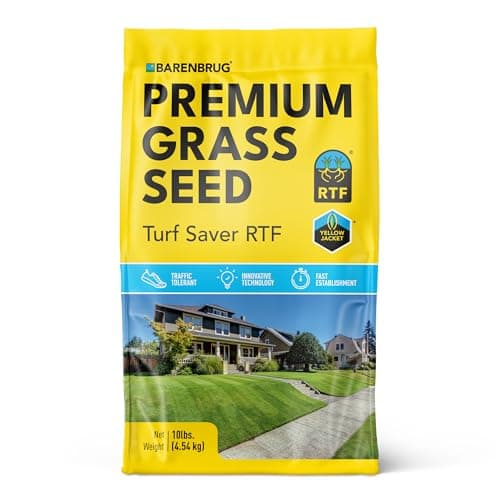
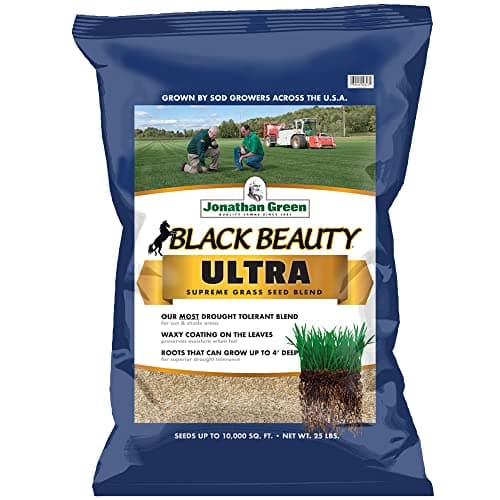
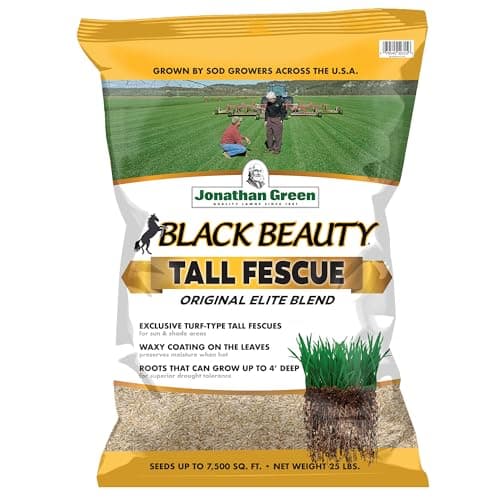
The best premium grass seed is Jonathan Green Black Beauty Tall Fescue, for the buyer who intends to sow once and be done: named deep-rooting tall fescue cultivars, a clean published seed analysis, and no annual ryegrass filler. If you want a lawn that physically repairs its own bare patches, Barenbrug Turf Saver RTFis rhizomatous tall fescue, which spreads sideways rather than only clumping — a genuinely different mechanism and the best buy-it-for-life choice on this page.
This page is written for one kind of buyer: somebody who has worked out that the cheap bag is the expensive option. If that is you, the good news is that high quality grass seed is identifiable from the label, not from the price or the marketing. There are three things to read, and they are printed on every bag sold in the US because seed labeling is regulated.
Named cultivars, not species.A premium bag lists varieties by name — a specific tall fescue cultivar — because those names have published performance data behind them in the National Turfgrass Evaluation Program trials. A cheap bag says "tall fescue" and leaves you to find out which one. Weed seed and other crop at 0.00 percent. Anything above zero is weeds you are paying to plant. No annual ryegrass. Annual rye germinates fast, looks great for one season and then dies, which is how cheap bags fake a quick result.
What makes grass seed premium, concretely
Named cultivars with trial data.This is the real dividing line. Turfgrass cultivars are bred and independently trialed, and the NTEP publishes the results by name — drought response, disease resistance, density, color retention. A bag that names its cultivars is making a checkable claim. A bag that only names the species is not.
Seed purity and germination rate.Every US bag carries an analysis table: pure seed percentage, inert matter, other crop seed, weed seed, and tested germination. Premium seed runs high on pure seed and germination and zero on weed seed. Inert matter is coating and chaff — some is normal, a lot means you are buying less seed than the bag weight suggests.
No annual ryegrass, and watch for "annual." Perennial ryegrass is a legitimate component of a good mix. Annual ryegrass is a one-season plant and its presence is the single clearest marker of a cheap bag.
Species matched to your conditions, which no amount of quality replaces. The best tall fescue in the world will struggle in genuine deep shade, where fine fescue is the answer — see best grass seed for shade. And in the Deep South, cool-season seed of any quality is the wrong plant; fescue vs bermuda sorts that out.
Why good quality grass seed is cheaper per lawn
The arithmetic that matters is not dollars per pound, it is dollars per square foot of lawn that is still there in five years. A cheap bag with annual ryegrass gives you a green lawn in three weeks and a thin one in eighteen months, at which point you reseed. A premium bag of named perennial cultivars establishes slightly slower and is still thickening in year three.
The second part of the arithmetic is weeds. Weed seed at even half a percent in a 25-pound bag is a lot of individual weed seeds spread evenly across your lawn by hand, and you will spend years and real money on herbicide removing plants you paid to install. Zero weed seed is the cheapest weed control there is.
The third is the self-repairing question. Standard turf-type tall fescue is a bunch grass: each plant clumps and does not spread, so a bare patch stays bare until you reseed it. Rhizomatous tall fescue, as in Barenbrug RTF, sends out underground stems and fills small gaps itself. On a lawn with a dog, a path or children, that is the single most valuable property seed can have.
How to choose between these
For the best-looking lawn: Black Beauty tall fescue. The cultivar family is selected for dark color and deep rooting, and depth of root is what carries a lawn through August.
For a lawn that repairs itself: Barenbrug Turf Saver RTF. Pay for the rhizomes; they are the feature.
For establishment speed without the annual-rye trick:Black Beauty Ultra, which blends the Black Beauty tall fescue with perennial ryegrass and bluegrass — genuinely perennial species that establish faster than fescue alone.
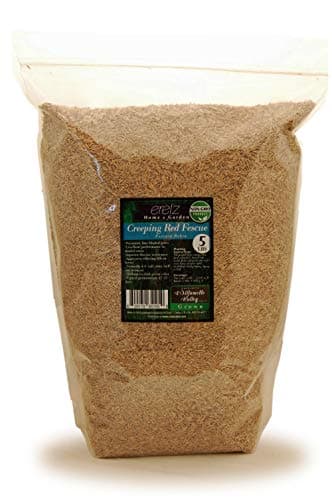
For shade, or a lawn you want to stop feeding: Eretz Creeping Red Fine Fescue, pure, no fillers. Fine fescues want less nitrogen and less water than anything else on this page, which over a decade is a real cost difference.
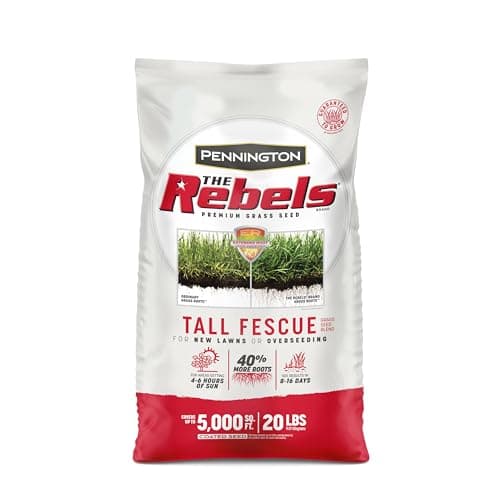
If the premium case does not land: Pennington The Rebels is a proper turf-type tall fescue at a mainstream price and is the value pick in our main seed roundup. Buying a cheaper respectable bag is a reasonable decision; buying a bag with annual ryegrass in it is not.
Who should not pay for premium seed
Nobody who is about to sow it badly. Premium seed on compacted ground, broadcast by hand, and watered twice a week will underperform a cheap bag sown properly. Spend the money on getting the method right first — how to grow grass from seed is the whole method in five steps, and it is free.
And nobody patching a dog spot. A premium 25-pound bag for three bare patches is waste; a patch-repair product is the right tool, and how to reseed a lawn covers it.