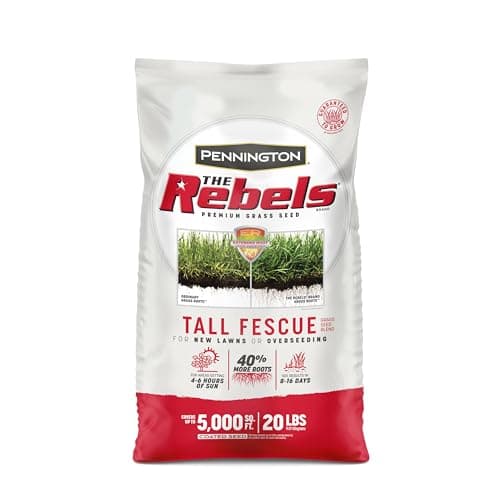
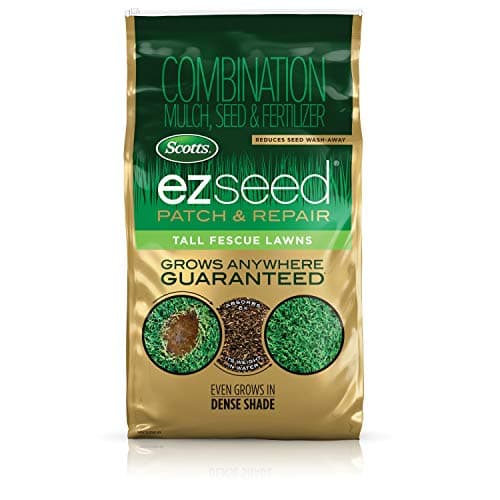
To reseed a lawn: work out why it thinned, fix that first, then mow short, rake or aerate to expose soil, spread seed at the overseeding rate, apply a starter fertilizer, and keep the surface damp for two to three weeks. Early autumn is the right time in most of the US. If the thin areas are small and discrete, Scotts EZ Seed Patch & Repair is the easiest thing that works, because the mulch in it holds moisture and takes the watering discipline down a notch. For a whole thin lawn, Pennington The Rebels at the overseeding rate is the straightforward answer.
Here is the part most guides skip, and it is the reason reseeding so often fails: a lawn that thinned once will thin again unless you find the cause. New seed in the same conditions produces the same lawn. So before you spend a penny on seed, spend five minutes on the diagnosis below. Reseeding is the fix for wear, winter damage and gradual thinning. It is not the fix for shade, compaction, grubs or the wrong species, and sowing into any of those is money on the ground.
We have no test plot. Germination windows, seeding rates and species behavior here come from the seed companies' published labels and from NTEP trial data, and the method is standard turf practice. See how we pick.
The tools that make this quicker
Nothing above needs special equipment, but two tools change how long it takes: an aerator to open the seedbed and a spreader to place the seed evenly. The combinations and pairings are ranked in the aerator and seeder roundup.
First: why did it thin?
Is it shaded?If the thin areas follow the shade of a tree, fence or building, no amount of reseeding with the wrong species will hold. Switch to a fine fescue or a dense-shade mix — best grass seed for shade covers it. If the shade is genuinely deep, the honest answer is mulch or a shade planting, not grass.
Is the soil hard?Push a screwdriver into the thin area. If you have to lean on it, the problem is compaction, and seed will not root in it. Core-aerate first — see the aerator roundup or the manual aerator tools if you have no tow vehicle. The good news is that aerating and reseeding are the same job on the same weekend, because seed falling into the holes gets ideal soil contact.
Is there a spongy brown layer under the grass?Cut a small wedge out with a spade and look. More than about half an inch of fibrous material between green grass and soil is thatch, and seed will sit on it and die. That is a dethatching job first — best dethatcher.
Does the turf lift like a rug? If it peels away with no roots attached, that is grub damage, and reseeding feeds the next generation of grubs. Deal with that before you sow.
Is it just worn?Paths across the lawn, the gate, the goal mouth, the dog's route. That is wear, and reseeding is exactly the right fix — though for a path people actually use, consider that they will keep using it.
Step 1 — time it for early autumn
Late summer into early autumn for cool-season lawns: warm soil, cool air, coming rain, and no crabgrass germinating to compete. Spring works and is distinctly worse. For bermuda and other warm-season lawns, late spring once the soil is properly warm. The full seasonal logic is in how to grow grass from seed.
Step 2 — mow short and get down to soil
Mow lower than usual, down to around an inch and a half, and bag the clippings. The point is to get light to the soil surface and stop the existing grass shading your seedlings out. Then rake hard with a steel rake until you can see loose soil between the stems, or run a dethatcher or spike aerator over it.
This is the step that decides the whole job. Seed must touch soil.Seed broadcast onto an unraked lawn mostly lands on existing leaf blades, dries out there and dies, and the resulting conclusion is usually "the seed was no good."
Step 3 — spread at the overseeding rate, not the new-lawn rate
Every bag publishes both figures and the overseeding rate is roughly half the new-lawn rate — commonly around 3 to 4 pounds per 1,000 square feet for tall fescue. Use a broadcast spreader, go one direction then cross at ninety degrees, and resist the urge to double up. The existing grass is already competing with your seedlings; adding more seedlings to compete with each other makes it worse.
Match the species to what is already there, or at least to the conditions. Dropping bluegrass into a tall fescue lawn gives you a visibly two-textured lawn. If you do not know what you have, start with tall fescue — it is the most planted lawn grass in much of the US, so it is the most likely match.
Step 4 — starter fertilizer, and no weed killer
Apply a starter fertilizer with its high middle NPK number for root development. Do not apply weed and feed, and do not apply a crabgrass pre-emergent — pre-emergents stop grass seed germinating just as effectively as weed seed, and most labels require several weeks and a few mowings before new grass is safe.
Step 5 — water lightly, twice a day, for three weeks
The top half inch has to stay damp continuously until germination. On an existing lawn that is harder than on bare soil, because the standing grass wicks moisture away, so expect to water twice a day in warm weather. Tall fescue germinates in roughly 7 to 14 days; bluegrass takes considerably longer.
Then stay off it, and do not mow until the new grass reaches about three inches. When you do, use a sharp blade — a dull one tears young plants out by the roots rather than cutting them.
What to buy
For discrete patches:Scotts EZ Seed Patch & Repair. Seed, mulch and fertilizer in one, and the mulch holding moisture is genuinely the difference on a patch you will forget to water once.
For a whole thin lawn:Pennington The Rebels tall fescue at the overseeding rate — proper turf-type tall fescue at a sensible price per pound, which matters when you are covering the whole lawn.
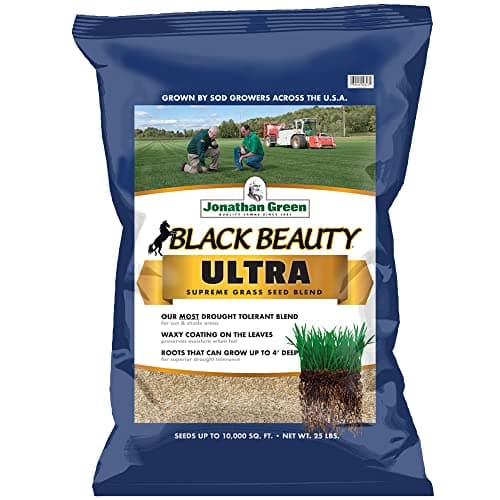
For a thin lawn you want filled fast: Jonathan Green Black Beauty Ultra, which blends tall fescue with perennial ryegrass and bluegrass. The ryegrass establishes quickly and, unlike the annual ryegrass in cheap bags, it is still there next year. If you would rather pay once and be done, the premium seed roundup is the page for that.
Which bag you reach for changes the odds here as much as the method does. Fescue seed for overseeding covers the blends that blend in, and how much grass seed you need does the half-rate arithmetic.
The timing matters even more on an existing lawn than on a bare one, because the seed is competing with grass that is already established. Sow into the fall window and the established turf is slowing down while your seedlings are not — when to plant grass seed sets out the soil temperatures and the frost-date count-back.