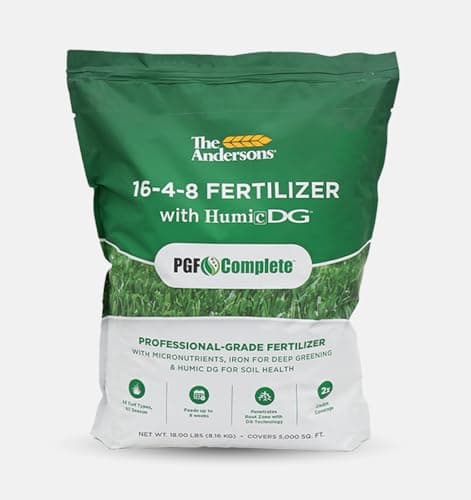
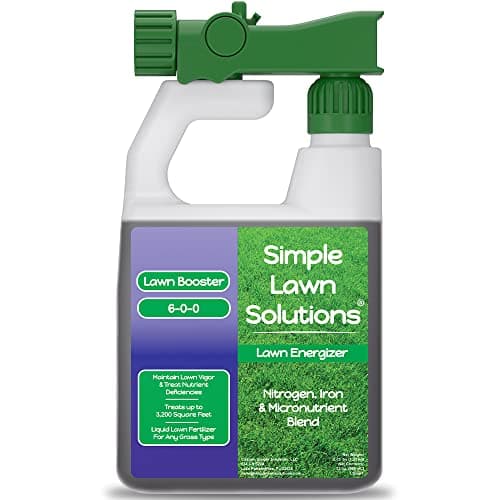
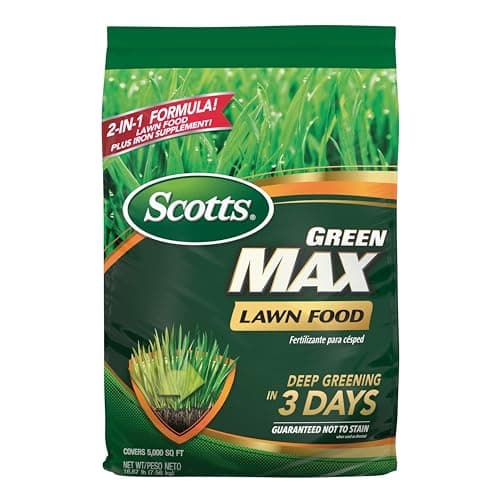
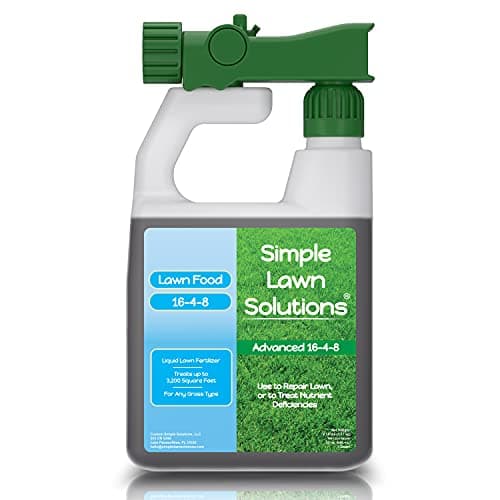
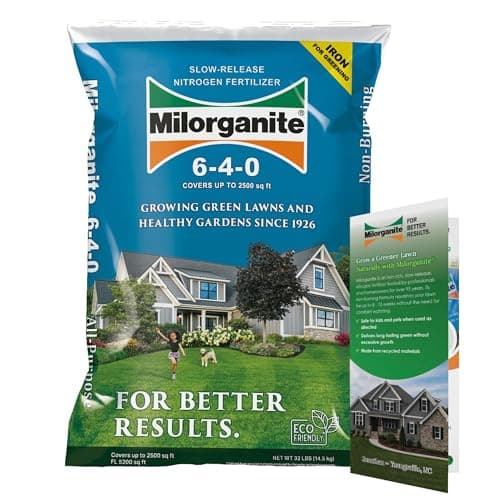
The best lawn fertilizer for summer is Milorganite, and the reason is one word: it cannot burn. A 6-4-0 slow-release organic nitrogen releases as soil biology breaks it down, so there is no salt spike to scorch roots in 95-degree weather — which is exactly the failure mode that ruins lawns in July. If your lawn is warm season and actually growing, The Andersons PGF Complete 16-4-8 is the stronger feed. And if what you want is color rather than growth, the Simple Lawn Solutions Lawn Energizer adds iron instead of nitrogen.
The honest headline, though, is that the best summer fertilizer for a lot of lawns is none. Which answer applies to you depends entirely on one thing: whether your grass is cool season or warm season. A tall fescue or bluegrass lawn is under heat stress in July and is trying to survive, not grow. Pushing nitrogen into it is like feeding a marathoner mid-race. A bermuda or zoysia lawn is doing its best growing of the year in the same weather and wants everything you can give it.
So this page splits the advice by grass type and ranks on burn risk before feeding power. The NPK figures and coverage rates below are what the labels publish; the heat agronomy is standard turf-management practice rather than something we measured on a test lawn. See how we pick.
First: is your lawn cool season or warm season?
| | Cool season (fescue, bluegrass, rye) | Warm season (bermuda, zoysia) |
|---|
| What July does to it | Heat stress, thinning, slowed growth | Peak growth of the year |
| Summer nitrogen | Light or none | Full rate, every 4-6 weeks |
| Burn risk | High | Lower, but real on dry soil |
| Best summer product | Slow-release organic, or iron only | High-nitrogen granular |
| What it needs most | Water and a higher mowing height | Nitrogen and water |
| Next real feeding | Early autumn | Right now |
If you do not know which you have, the quick test is winter: a lawn that stays green through a frost is cool season, and a lawn that turns straw-brown and comes back in May is warm season. The longer version is in fescue vs bermuda.
The summer rules that matter more than the bag
Never apply to a dry, stressed lawn. Water thoroughly the day before, or apply after rain. Fertilizer salts need soil moisture to disperse; on dry soil they sit against roots and pull water out of them. This single habit prevents most summer burn.
Water it in immediately. Not next week. Granules sitting on blades in full sun are the other half of the burn mechanism. A quarter inch of water right after spreading moves the product to the soil where it belongs.
Half rate beats full rate in heat. If you are feeding a cool-season lawn in summer at all, use half the label rate. A light feeding that holds color is the goal; a full dose is asking a stressed plant to grow.
Early morning or evening, never midday. And never when the grass is wilting.
Raise the mower deck first. This is free and it does more for a cool-season lawn in July than any bag on this page. Taller grass shades its own soil, roots deeper and loses less water. Three and a half to four inches through summer. See the mower roundup for the decks that actually go that high.
Iron: the summer product that is not really fertilizer
If your problem is that the lawn looks pale and you are afraid to feed it, iron is the correct answer. It deepens green without pushing growth, so a heat-stressed cool-season lawn gets its color back without being asked to put on top growth it cannot support. Liquid iron applications are the standard midsummer move on managed turf for exactly this reason.
The caveat, again: iron stains concrete, brick and paint. Keep it off hardscape, and sweep any granules off a driveway before watering.
What summer is actually for
Summer is a holding season on a cool-season lawn. Water deeply and infrequently, mow high, keep the blade sharp, and treat weeds by spot-spraying rather than blanket applications — a whole-lawn herbicide pass in heat stresses turf that is already struggling, which our weed control page covers.
Then put your effort into early autumn, which is the real feeding and seeding season for a cool-season lawn: aerate, overseed and feed in one weekend. The fall fertilizer page is where the heavy nitrogen belongs, and how to reseed a lawn is the companion job.
Who should skip all of this
Skip summer fertilizer entirely if you have a cool-season lawn, no irrigation, and a hot August. An unirrigated fescue lawn in heat will go semi-dormant whatever you do, and feeding it is the one thing that can turn a dormant lawn into a dead one. Water what you can, mow high, and feed in September.
Summer is the season where the format of the fertilizer matters as much as the analysis, because a liquid feeds through the leaf when granular nitrogen is risky in heat. The full argument is in liquid vs granular fertilizer.