Skip to content
Fairway&Fescue

The Acreage · Riding & Zero-Turn Mowers

The Most Reliable Zero Turn Mowers

Written for anyone worried about a four-figure machine in pieces. Three specs predict a zero-turn's life, and the brand badge is the least useful of them.

By Stephen V.Updated How we pick
#ad

We earn a commission when you buy through our Amazon links, at no extra cost to you. It never changes our rankings — and we'll tell you when the cheaper bag or machine is the better buy. How this works.

If reliability is the thing you are buying, the most reliable zero-turn mower a homeowner can sensibly buy is the Ariens APEX 52": a Kawasaki FR691V twin, a 10-gauge fabricated deck and Hydro-Gear ZT-3100 transaxles — which is the exact combination of three specs that separates a decade-long machine from a five-year one. If you want the same logic at a lower price and with an online listing, the Husqvarna Z254F pairs a 23 HP Kawasaki with a 54-inch deck. If you are mowing for a living, the Ferris ISX 800 and its full independent suspension is the frame that survives rough ground. And if your concern is engine maintenance rather than running gear, the EGO Power+ Z6 has no engine at all.

Zero-turn reliability is not a mystery and it is not brand loyalty. It is three components you can look up before you spend anything.

One: who makes the engine, not who makes the mower

Almost nobody builds their own engine. The name on the hood is usually Kawasaki, Kohler, Briggs & Stratton or a Chinese-built unit, and the engine is the part that decides whether the machine starts in year eight. Kawasaki FR and FS series are the twins with the strongest homeowner and semi-pro record; Kohler Courage and Command are the main alternative. A single-cylinder engine in a zero-turn is a budget signal: it will work, and it runs nearer the top of its design envelope doing the same job a twin does easily.

Two: the transaxles, which is the spec nobody mentions

A zero-turn drives each rear wheel independently through its own hydrostatic transaxle, and that pair is the most expensive assembly on the machine to replace. Entry machines use sealed, non-serviceable units rated for a few hundred hours a year. Better machines use Hydro-Gear ZT-2800 or ZT-3100 units, which are serviceable and rated for far more. If a spec sheet names its transaxles, that is usually a good sign; if it does not, assume the cheaper option.

Three: whether the deck is stamped or fabricated

A stamped deck is pressed from a single sheet — cheap, light, and thinner at the edges where it gets hit. A fabricated deck is welded from flat plate, usually 10 or 11-gauge, and is dramatically more resistant to the kerb strikes and root hits that end homeowner decks. Fabricated decks are the clearest single marker of the semi-pro tier.

We have not run any of these for a season. Everything here reasons from published engine makes and displacements, stated transaxle models, deck gauge and construction, and manufacturer service intervals — see how we pick. We have run no durability tests and claim none. Prices are live where a verified listing exists; the dealer-channel machines show a check-price link rather than a number.

The short answer

Quick picks

#ProductBest forScorePrice
01
Ariens APEX 52" Zero Turn (dealer channel)

The semi-commercial Ariens. A 23 HP Kawasaki FR691V on a 10-gauge fabricated deck with Hydro-Gear ZT-3100 transaxles - and the transaxles are the real difference, because that is what fails first.

Buy-it-for-life Ariens
7.2
Check price →
02
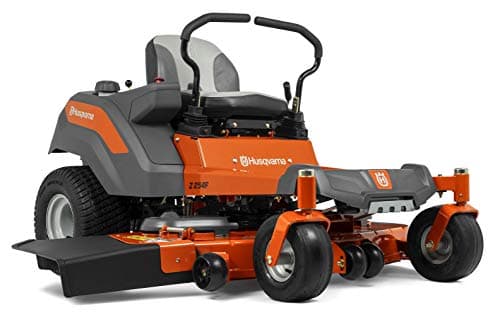
Husqvarna Husqvarna Z254F Zero Turn, 54" (23 HP Kawasaki)
Husqvarna Z254F Zero Turn, 54" (23 HP Kawasaki)

The Husqvarna zero-turn to buy if the lawn is big and complicated. A 54-inch fabricated-class deck and a 23 HP Kawasaki twin - the engine most commercial crews specify - with a verified Amazon price on it.

Two to four acres with obstacles
7.4
$3,899.00Amazon
03
Ferris ISX 800 Zero Turn (dealer channel)

The mid-range ISX, and the Ferris most commercial crews actually buy. Full independent suspension, a commercial deck, and a seat you can sit in all day - which is the specification that matters when mowing is the job.

Pro use, all-day comfort
6.4
Check price →
04
Kubota Z411 Kommander Pro Zero Turn, 48" (dealer channel)

The step up from residential. 22 HP on a 48-inch deck with the heavier Kommander Pro running gear - the Kubota for someone who mows a lot of ground every week.

Semi-pro use, heavier running gear
7.4
Check price →
05
Husqvarna Husqvarna Z242F Zero Turn, 42" (21.5 HP Kawasaki)
Husqvarna Z242F Zero Turn, 42" (21.5 HP Kawasaki)

The gas answer, and the value pick of this hub. A 21.5 HP Kawasaki twin on a 42-inch deck for substantially less than any electric zero-turn here — and it refuels in two minutes.

Best value zero-turn, three acres and up
7.6
$3,875.00Amazon
06
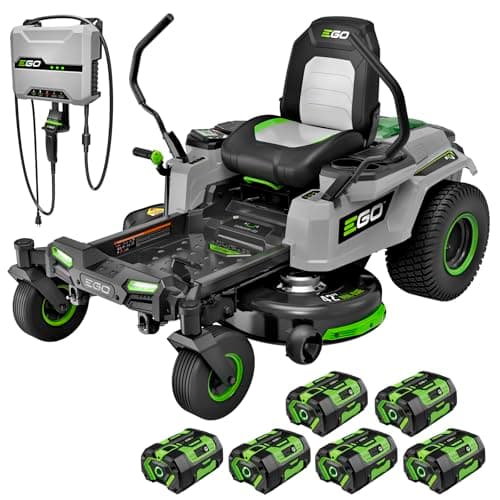
EGO EGO Power+ Z6 Zero Turn, 42" Deck (ZT4214L)
EGO Power+ Z6 Zero Turn, 42" Deck (ZT4214L)

The zero-turn we would put most one-to-two-acre lawns on. A 42-inch deck, electric drive, and none of the oil changes, fuel stabilizer or winterizing a gas zero-turn demands every year.

One to two acres, no engine upkeep
8.4
$5,299.00Amazon

#ad · Live prices from the Amazon Product API, as of October 21, 2026. Where we have no verified live price, we show none — we would rather leave a gap than print a number that has rotted.

In detail

The picks, in full

01

Buy-it-for-life Ariens

Ariens APEX 52" Zero Turn (dealer channel)

52" deck, 10-gauge fabricatedKawasaki FR691V twin, 726 cc23 HPHydro-Gear ZT-3100 transaxles
7.2/10

The semi-commercial Ariens. A 23 HP Kawasaki FR691V on a 10-gauge fabricated deck with Hydro-Gear ZT-3100 transaxles - and the transaxles are the real difference, because that is what fails first.

Acreage suited
9
Maneuverability
7
Build quality
10
Dealer support
8
Price visibility
2

Pros

  • ZT-3100 transaxles are a serviceable commercial-grade unit, where residential machines ship sealed maintenance-free transaxles you cannot repair
  • 10-gauge deck steel is heavier than the 11-gauge used across the IKON and EDGE lines
  • This is the Ariens that is still mowing in fifteen years

Cons

  • No Amazon listing and no live price
  • Priced well above the residential IKON for a cut that looks identical on day one

Skip this if…

…you mow an acre on weekends. The difference between this and the IKON shows up at several hundred hours a year, not at thirty.

Check price on Amazon →

We don't have a verified live price for this right now, so we aren't showing one.

#ad · we may earn a commission from this link to Ariens APEX 52" Zero Turn (dealer channel)

02
Husqvarna Husqvarna Z254F Zero Turn, 54" (23 HP Kawasaki)

Two to four acres with obstacles

Husqvarna Z254F Zero Turn, 54" (23 HP Kawasaki)

54" deck23 HP Kawasaki engineHydrostatic zero-turnLap-bar controls
7.4/10

The Husqvarna zero-turn to buy if the lawn is big and complicated. A 54-inch fabricated-class deck and a 23 HP Kawasaki twin - the engine most commercial crews specify - with a verified Amazon price on it.

Acreage suited
10
Maneuverability
9
Running cost
6
Upkeep burden
5
Price
7

Pros

  • 54 inches of deck on a machine that still turns inside its own width - the combination that saves real time
  • Kawasaki twins are the engine family with the best parts availability and the longest service life
  • In stock with a live price, which almost no other dealer-brand zero-turn on this site has

Cons

  • A 54-inch deck needs space to store and a gate to match
  • Lap bars take a lawn or two to learn, and scuff turf while you are learning

Skip this if…

…your lawn is an acre or less. The 42-inch Z242F costs less, fits through more gates, and finishes an acre without you noticing the narrower deck.

$3,899.00View on Amazon

Price as of October 21, 2026. Prices change — Amazon's is the one that counts.

#ad · we may earn a commission from this link to Husqvarna Z254F Zero Turn, 54" (23 HP Kawasaki)

03

Pro use, all-day comfort

Ferris ISX 800 Zero Turn (dealer channel)

Zero-turnFull independent suspensionCommercial deckDealer channel - no verified Amazon price
6.4/10

The mid-range ISX, and the Ferris most commercial crews actually buy. Full independent suspension, a commercial deck, and a seat you can sit in all day - which is the specification that matters when mowing is the job.

Acreage suited
10
Maneuverability
9
Running cost
5
Upkeep burden
6
Price
2

Pros

  • The suspension plus a suspended seat is the difference between finishing a day and enduring it
  • Commercial deck and spindles built for daily hours
  • Holds resale value better than almost anything else in the category

Cons

  • Priced for a business, not a homeowner - and no Amazon listing to price against
  • Physically large to store and transport

Skip this if…

…you mow your own lawn once a week. This is specified in hours per day; a Husqvarna Z254F does a residential acreage properly for a fraction of the money.

Check price on Amazon →

We don't have a verified live price for this right now, so we aren't showing one.

#ad · we may earn a commission from this link to Ferris ISX 800 Zero Turn (dealer channel)

04

Semi-pro use, heavier running gear

Kubota Z411 Kommander Pro Zero Turn, 48" (dealer channel)

48" deck22 HP KawasakiKommander Pro frameDealer channel - no verified Amazon price
7.4/10

The step up from residential. 22 HP on a 48-inch deck with the heavier Kommander Pro running gear - the Kubota for someone who mows a lot of ground every week.

Acreage suited
8
Maneuverability
8
Build quality
9
Dealer support
10
Price visibility
2

Pros

  • Pro-series transaxles and frame, which is where a zero-turn actually wears out - not the engine
  • Same 48-inch width as the residential Z231BR but built for a far longer duty cycle
  • The sensible buy if you mow your own acreage weekly rather than fortnightly

Cons

  • No Amazon listing and no live price
  • Costs meaningfully more than the residential Kommander for the same cut width

Skip this if…

…you mow a half-acre lawn once a week in season. The residential Z231 is the same cut for less money and will outlast the house.

Check price on Amazon →

We don't have a verified live price for this right now, so we aren't showing one.

#ad · we may earn a commission from this link to Kubota Z411 Kommander Pro Zero Turn, 48" (dealer channel)

05
Husqvarna Husqvarna Z242F Zero Turn, 42" (21.5 HP Kawasaki)

Best value zero-turn, three acres and up

Husqvarna Z242F Zero Turn, 42" (21.5 HP Kawasaki)

42" deck21.5 HP Kawasaki engineZero-turn steeringGas
7.6/10

The gas answer, and the value pick of this hub. A 21.5 HP Kawasaki twin on a 42-inch deck for substantially less than any electric zero-turn here — and it refuels in two minutes.

Acreage suited
10
Maneuverability
9
Running cost
6
Upkeep burden
5
Price
8

Pros

  • Thousands less than the electric zero-turns for the same deck width
  • A Kawasaki twin is the engine most commercial crews specify, and parts are everywhere
  • Refueling takes two minutes, so three or five acres in an afternoon is a non-issue

Cons

  • Oil, filters, blades, belts, fuel stabilizer and winter storage are all your job now
  • Loud, and you will feel it after two hours in the seat

Skip this if…

…you mow an acre or less and chose a zero-turn for the convenience. On that size lawn the electric ZT4214L costs more up front and then asks nothing of you for years.

$3,875.00View on Amazon

Price as of October 21, 2026. Prices change — Amazon's is the one that counts.

#ad · we may earn a commission from this link to Husqvarna Z242F Zero Turn, 42" (21.5 HP Kawasaki)

06
EGO EGO Power+ Z6 Zero Turn, 42" Deck (ZT4214L)

One to two acres, no engine upkeep

EGO Power+ Z6 Zero Turn, 42" Deck (ZT4214L)

42" deckElectric (EGO 56V)Zero-turn steeringLap-bar controls
8.4/10

The zero-turn we would put most one-to-two-acre lawns on. A 42-inch deck, electric drive, and none of the oil changes, fuel stabilizer or winterizing a gas zero-turn demands every year.

Acreage suited
8
Maneuverability
9
Running cost
10
Upkeep burden
10
Price
5

Pros

  • 42 inches is the deck width that fits through a standard gate and still clears an acre in a sitting
  • Electric drive removes the whole annual service ritual — no oil, no filters, no fuel to go stale over winter
  • Quiet enough to cut early without a conversation with the neighbors

Cons

  • Costs clearly more than a comparable gas zero-turn up front
  • Charging is the ceiling: when the batteries are flat you stop, and there is no jerry can equivalent

Skip this if…

…you mow three acres or more in one session. The Husqvarna Z242F refuels in two minutes and keeps going; an electric zero-turn's charge time is the one thing money cannot shorten on the day.

$5,299.00View on Amazon

Price as of October 21, 2026. Prices change — Amazon's is the one that counts.

#ad · we may earn a commission from this link to EGO Power+ Z6 Zero Turn, 42" Deck (ZT4214L)

Zero-turn reliability compared

MowerDeckEngineRunning gearBest for
Ariens APEX 52"52 in, 10-gauge fabricatedKawasaki FR691V twin, 726 ccHydro-Gear ZT-3100Buy-it-for-life homeowner
Husqvarna Z254F54 in23 HP KawasakiHydrostaticBest listed-price option
Ferris ISX 800Commercial deckCommercial twinFull independent suspensionRough ground, pro hours
Kubota Z41148 inKubotaHeavier running gearDealer service nearby
Husqvarna Z242F42 in21.5 HP KawasakiHydrostaticKawasaki on a budget
EGO Power+ Z6 42"42 inElectric, 56VElectric driveNo engine to maintain

Engine makes, displacements, deck gauges, deck construction and transaxle models above are the figures the manufacturers publish. Prices are live where a verified listing exists.

What actually breaks on a zero-turn, and when

Year one onwards: blades and spindle belts. Both are consumables, both are cheap, and both make the machine feel worn out when they are overdue. Deck belts are the single most common roadside repair.

Years two to five: deck spindles and idler pulleys. Spindles carry the blade and take every impact the deck takes. A fabricated deck protects them; a stamped deck transmits the hit.

Years three to eight: the transaxles. This is the expensive one. Sealed units are replaced rather than serviced, and a pair can be a meaningful fraction of what the mower cost. Serviceable Hydro-Gear units get a fluid and filter change instead.

Years five to ten: the engine. A twin that has had its oil and air filter changed on schedule is usually the last thing to fail. One that has not is often the first.

Throughout: the deck itself. Washed out after wet cuts it lasts; left packed with clippings it rusts from the inside.

Homeowner, semi-pro or commercial: pick the right tier

The useful way to think about zero-turn reliability is hours per year, because every tier is designed around an hours figure.

Homeowner tier— stamped deck, single-cylinder or small twin, sealed transaxles — is designed for something like 50 to 100 hours a year. On an acre or two that is exactly right and the machine will last a decade. On five acres it is doing double its design life every season.

Semi-pro tier— fabricated deck, Kawasaki or Kohler twin, Hydro-Gear ZT-2800 or 3100 — is built for 150 to 300 hours a year. This is the tier worth buying if you have three acres or more, or if you simply intend to keep the mower for fifteen years. Our 5-acre roundup is mostly this tier.

Commercial tier— suspension frames, commercial engines, heavy spindles — is built for daily use and priced for a business. Buying it for a two-acre lawn is buying hours you will never use. See best commercial lawn mower.

Why dealer support is part of the reliability answer

Ariens, Kubota, Ferris, Cub Cadet and John Deere sell mainly through servicing dealers, which is why most of them carry a check-price link here rather than a number. That channel is not an inconvenience to work around — on a four-figure machine it is part of what you are buying. A spindle, a transaxle or a deck belt fitted locally in a week is the difference between a repair and a lost summer.

Run the question in reverse before you buy: find out which brands have a dealer within a sensible drive of you, and let that shorten the list. It is a better predictor of your ownership experience than any published rating.

Electric: fewer parts, different unknowns

An electric zero-turn deletes the engine, the fuel system, the oil changes and the air filter — a genuinely large reduction in things that fail. What it adds is a battery pack that degrades with cycles and heat and will eventually need replacing, and a drive system with a far shorter field record than a Hydro-Gear transaxle has.

For an acre or two with no interest in engine maintenance, that trade is a good one. For someone planning fifteen years on four acres, the gas semi-pro machine is still the predictable choice. More in the electric riding mower roundup.

Who should skip these

Skip the semi-pro and commercial machines if your lawn is under two acres. You are buying design hours you will never spend; the best zero-turn for the money is the better page.

Skip every zero-turn here if your ground has a bank steeper than about 15 degrees — zero-turns lose uphill traction in reverse, and the hill roundup covers the machines that cope.

And skip the dealer-channel machines if there is no dealer near you. The support that makes them the reliable choice is the thing you would not be getting.
How we picked this

We haven't run this gear through a lab — and we say so

We compiled the published manufacturer specifications — deck width and gauge, drive type, blower CFM, fertilizer NPK, seed species — did the deck-width and nitrogen arithmetic, cross-read the owner manuals, and scored each pick against a published rubric. The scores are judgments from documented research — they are notlab measurements we took, because we don't have a lab and we're not going to pretend we do. Where somebody has genuinely measured this, we link them. You can check every number we publish.

Questions

Frequently asked

What is the most reliable zero turn mower?
For a homeowner buying once, the Ariens APEX 52" - a Kawasaki FR691V twin, a 10-gauge fabricated deck and Hydro-Gear ZT-3100 transaxles. Those three specs together are what separate a decade-long machine from a five-year one. The Husqvarna Z254F is the pick with an online listed price.
What are the most reliable zero turn mower brands?
Ariens, Ferris, Kubota and Husqvarna have the strongest records in the semi-pro range, but the brand matters less than three checkable things: who built the engine (Kawasaki FR/FS and Kohler lead), which transaxles it uses, and whether the deck is fabricated or stamped.
How many hours will a zero turn mower last?
A homeowner-tier machine is designed for roughly 50 to 100 hours a year and typically gives several hundred hours total; a semi-pro machine with a fabricated deck and Hydro-Gear transaxles is built for 150 to 300 hours a year and lasts far longer. Match the tier to your acreage.
What breaks first on a zero turn mower?
Deck belts and blades from the first season, then deck spindles and idler pulleys in years two to five. The expensive failure is the pair of hydrostatic transaxles in years three to eight, which is why serviceable Hydro-Gear units are worth paying for.
Is a Kawasaki engine worth the extra money in a zero turn?
On three acres or more, or if you plan to keep the machine a decade, yes. A Kawasaki FR or FS twin runs cooler and under less stress doing the same work as a single-cylinder engine, and it is the engine most commonly still running at high hours.

Keep reading

Receipts

Sources

We do not run a testing lab, and we do not pretend to. Every spec number here comes from a manufacturer's published sheet or an official standard, cited above. Where we could not verify something, we say so on the page rather than quietly leaving it out. Read our full method.