Skip to content
Fairway&Fescue

The Soil · Aerators, Dethatchers & Lawn Repair

The Best Lawn Rollers

A lawn roller fixes two specific problems and makes a third one worse. Ranked on filled weight, drum width and whether you push it or pull it.

By Stephen V.Updated How we pick
#ad

We earn a commission when you buy through our Amazon links, at no extra cost to you. It never changes our rankings — and we'll tell you when the cheaper bag or machine is the better buy. How this works.

The best lawn roller is the Agri-Fab 45-0606 tow-behind poly roller, 18 by 36 inches— the widest drum here, which means the fewest passes, and a tow hitch so a lawn tractor does the work instead of your back. The budget pick is the Agri-Fab 18 by 24 inch push/tow roller, the cheapest unit on this page and the one to buy if the lawn is small enough that you will push it. Between them sits the Brinly 270 lb combination push/tow roller, which carries the most filled weight of the two 24-inch drums and converts between a push handle and a hitch.

Prices on every card are pulled live from the price layer with an “as of” date rather than typed into the copy. We have not rolled a lawn with any of these; the judgments below reason from published drum dimensions, filled weight ratings, frame material and hitch type, plus turf-science guidance on compaction that we link rather than assert. The method is in how we pick.

Before you buy one, be clear about what a roller actually does, because this is the most over-bought tool in lawn care. A roller presses things down. That is genuinely the right answer for exactly two jobs: pressing newly sown grass seed into firm contact with soil so it germinates evenly, and flattening the small heaves a freeze-thaw winter or a mole leaves behind. It is the wrong answer for a bumpy lawn, and that is the job most people buy one for.

A lawn that is genuinely uneven is uneven because the soil underneath is uneven, and rolling does not move soil sideways — it squashes what is on top and compacts the root zone while it does it. The correct fix is topdressing and leveling, which adds material to the low spots over several seasons. That method is in how to level a bumpy lawn, and if your main complaint is bumps rather than seed contact, read it before you buy anything here.

The short answer

Quick picks

#ProductBest forScorePrice
01
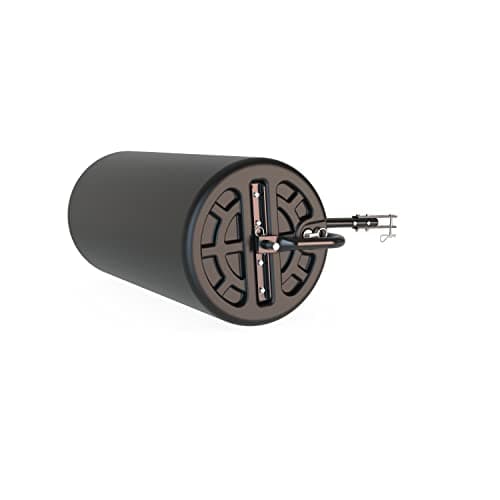
Agri-Fab Agri-Fab 45-0606 Tow-Behind Poly Lawn Roller, 18" x 36"
Agri-Fab 45-0606 Tow-Behind Poly Lawn Roller, 18" x 36"

An empty poly drum you tow, fill with water on site and drain before storage - 400 pounds when full, nothing to lift when it is not. The tool for pressing new sod and frost-heaved turf back into contact with soil.

Settling new sod and seed
7.6
$219.99Amazon
02
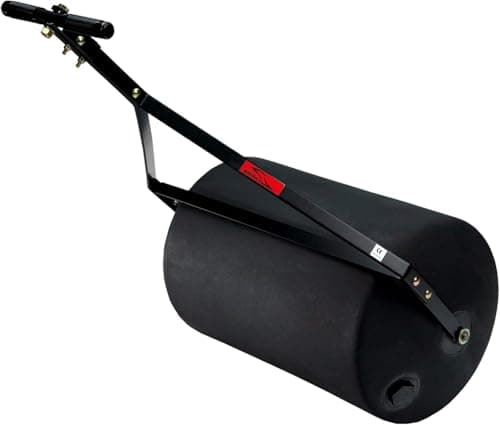
Brinly Brinly 270 lb Combination Push/Tow Poly Lawn Roller, 18" x 24"
Brinly 270 lb Combination Push/Tow Poly Lawn Roller, 18" x 24"

The roller to buy if you want both jobs out of one tool: press new seed and sod into soil contact, and flatten the turf in one direction for a stripe you did not need a mower kit for.

Rolling and striping without a kit
7.4
$199.00Amazon
03
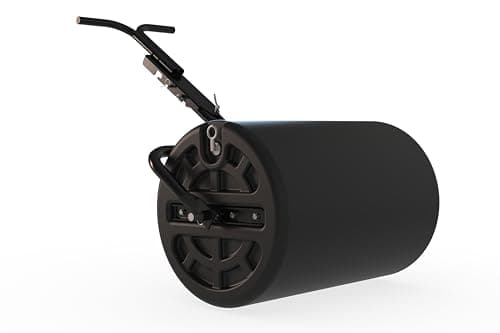
Agri-Fab Agri-Fab 18" x 24" Push/Tow Poly Lawn Roller (250 lb)
Agri-Fab 18" x 24" Push/Tow Poly Lawn Roller (250 lb)

The same drum size as the Brinly for a little less, on a steel frame, made in the USA - and twenty pounds lighter when full, which matters both ways.

The cheaper push-or-tow roller
7.6
$180.00Amazon

#ad · Live prices from the Amazon Product API, as of November 22, 2026. Where we have no verified live price, we show none — we would rather leave a gap than print a number that has rotted.

In detail

The picks, in full

01
Agri-Fab Agri-Fab 45-0606 Tow-Behind Poly Lawn Roller, 18" x 36"

Settling new sod and seed

Agri-Fab 45-0606 Tow-Behind Poly Lawn Roller, 18" x 36"

18" x 36" drum400 lb filled weightPoly drum, steel frameDrain plug
7.6/10

An empty poly drum you tow, fill with water on site and drain before storage - 400 pounds when full, nothing to lift when it is not. The tool for pressing new sod and frost-heaved turf back into contact with soil.

Seed-to-soil contact
9
Build quality
8
Working width
6
Ease of use
8
Value
7

Pros

  • Fills with water for weight and empties for storage, so there is no 400-pound object in your shed in January
  • Poly drum will not rust or dent, which is the failure mode of old steel rollers
  • Presses seed into soil contact and flattens frost heave, the two jobs rolling genuinely does

Cons

  • Rolling a lawn to flatten bumps compacts it, which is the problem aeration exists to undo - this is not a leveling tool
  • 36 inches is one mower pass wide, so a big lawn takes a while

Skip this if…

…your lawn is bumpy. Bumps are fixed by topdressing with sand or soil and working it in with a leveling rake; rolling just squeezes the air out of the root zone.

$219.99View on Amazon

Price as of November 22, 2026. Prices change — Amazon's is the one that counts.

#ad · we may earn a commission from this link to Agri-Fab 45-0606 Tow-Behind Poly Lawn Roller, 18" x 36"

02
Brinly Brinly 270 lb Combination Push/Tow Poly Lawn Roller, 18" x 24"

Rolling and striping without a kit

Brinly 270 lb Combination Push/Tow Poly Lawn Roller, 18" x 24"

18" x 24" drum270 lb filledPush or towTethered easy-turn plug
7.4/10

The roller to buy if you want both jobs out of one tool: press new seed and sod into soil contact, and flatten the turf in one direction for a stripe you did not need a mower kit for.

Stripe quality
7
Fit confidence
9
Build quality
8
Ease of use
6
Value
7

Pros

  • Push or tow from the same frame, so it works whether or not you own a riding mower
  • 270 pounds filled is enough weight to lay cut grass over properly, which is the whole mechanism behind a stripe
  • Fills with water for weight and drains for storage, and the plug is tethered so it does not end up in the grass

Cons

  • Rolling for stripes is a second pass over the whole lawn - a mower-mounted kit does it while you mow
  • Repeated rolling compacts soil, which is the opposite of what a lawn wants; this is an occasional tool, not a weekly one
  • Heavy to maneuver by hand on any slope once it is full

Skip this if…

…you only want stripes. A striping kit fitted to the mower does that in one pass; a roller earns its keep on seeding, sod and frost heave, and stripes as a bonus.

$199.00View on Amazon

Price as of November 22, 2026. Prices change — Amazon's is the one that counts.

#ad · we may earn a commission from this link to Brinly 270 lb Combination Push/Tow Poly Lawn Roller, 18" x 24"

03
Agri-Fab Agri-Fab 18" x 24" Push/Tow Poly Lawn Roller (250 lb)

The cheaper push-or-tow roller

Agri-Fab 18" x 24" Push/Tow Poly Lawn Roller (250 lb)

18" x 24" drum250 lb water capacitySteel framePush or tow behind
7.6/10

The same drum size as the Brinly for a little less, on a steel frame, made in the USA - and twenty pounds lighter when full, which matters both ways.

Stripe quality
7
Fit confidence
9
Build quality
7
Ease of use
7
Value
8

Pros

  • Steel frame and a poly drum, the combination that lasts - poly will not rust or dent the way old steel drums did
  • Twenty pounds lighter than the Brinly when full, so it is easier to turn by hand at the end of a run
  • Push or tow from the same frame

Cons

  • Twenty pounds lighter also means slightly less stripe for the same pass
  • Stock on this listing moves; the buy row falls back to a tagged search if it goes
  • Like any roller, overuse compacts the soil you are trying to improve

Skip this if…

…you want the maximum weight you can get in a hand-pushed drum. The Brinly is the heavier of the two at the same drum size.

$180.00View on Amazon

Price as of November 22, 2026. Prices change — Amazon's is the one that counts.

#ad · we may earn a commission from this link to Agri-Fab 18" x 24" Push/Tow Poly Lawn Roller (250 lb)

The two jobs a roller is genuinely the right tool for

1. Seed-to-soil contact after seeding or overseeding. Grass seed sitting on top of loose soil dries out and germinates patchily. A light roll after broadcasting presses it into contact so moisture reaches it consistently. This is the single best reason to own a roller, and it pairs directly with reseeding a lawn and overseeding with fescue.

2. Pressing back frost heave and mole damage. After a freeze-thaw winter, soil lifts and settles unevenly, and small surface ridges appear that were not there in October. A single spring roll on soil that is damp but not wet puts them back. Same for the ridges a mole leaves: tread them down, then roll.

Everything else people buy rollers for — flattening real undulations, firming a new sod lawn into shape, “smoothing” a lumpy yard — is either a different job or a soil problem a roller cannot reach.

The criteria, in the order they matter

1. Filled weight, which is the whole specification.Every roller here is an empty poly drum that you fill with water or sand on site; the empty weight is almost irrelevant and the filled rating is the number to compare. More weight is not automatically better — it is better for frost heave and worse for compaction — but the rating tells you the ceiling, and you can always part-fill a heavy drum.

2. Water or sand.Water is free, easy to add and easy to drain, which matters because you must drain a roller before a freeze or the drum can split. Sand is roughly a third denser, so a sand-filled drum hits its weight rating in less volume — but it is a one-way decision and far more work to empty.

3. Drum width, because it sets the number of passes. A 36-inch drum covers half again as much ground per pass as a 24-inch one. On a quarter acre that is the difference between a job and an afternoon.

4. Push or tow.A filled roller is heavy by design; that is the point. Pushing a 250 pound drum across 8,000 square feet is real work and nobody does it twice. If you own a riding mower, buy the tow hitch version — the machine is already out there. The other implements worth towing behind it are in the best riding mower attachments, and the tractors themselves in the best lawn tractors.

5. The scraper bar and the drain plug. Two small parts that decide whether you keep using it. A scraper keeps wet soil from building up on the drum and making the roll uneven; an accessible drain plug is what lets you empty the thing before winter instead of leaving it full and cracking it.

Which roller, by the lawn and the machine you own

Your situationWhat to buyWhy
You own a riding mower or tractorAgri-Fab 45-0606, 18 x 36 in tow-behindWidest drum here - fewest passes, and the tractor does the pulling
Under about 5,000 sq ft, no tractorAgri-Fab 18 x 24 in push/towCheapest here and light enough to push when part-filled - the budget pick
You want maximum weight in a 24-inch drumBrinly 270 lb push/towHighest filled rating of the two narrow drums, and converts between push and tow
You are rolling in fresh seedAny of them, part-filledSeed wants contact, not compaction - half full is plenty
Your lawn is genuinely bumpy, not just heavedA leveling rake and topdressing, not a rollerRolling squashes the high spots and compacts the root zone; it never fills a low one
Heavy clay soilRoll rarely, and aerate insteadClay compacts easily and recovers slowly - see our clay aerator roundup

The compaction problem, stated honestly

Rolling compacts soil. That is not a side effect, it is the mechanism, and it is why rolling is a once-a-year tool at most rather than a seasonal habit. Compacted soil has fewer air pockets, drains worse, and makes it harder for roots to push through — the exact conditions that thin a lawn out and let weeds in.

Three rules keep the benefit and limit the damage. Roll damp, never wet. Saturated soil compacts far more under the same weight, so wait a day or two after rain. Part-fill the drum unless you are specifically pressing frost heave; for seed contact, half full does the job. And roll once, in one direction — repeat passes add compaction and achieve nothing.

If you do roll a heavy clay lawn, plan to aerate it in the same season. Core aeration pulls plugs out and is the direct antidote to what a roller does; the best aerators for clay soil covers that pairing, and aerating vs dethatching explains which problem you actually have.

Using one without wrecking the lawn

Fill the drum where it will be used, because a filled roller is extremely awkward to move onto a trailer or down steps. Keep the speed low if you are towing — a roller bouncing behind a tractor at six miles an hour is not rolling, it is hammering. Avoid turning sharply with the drum under load, which scuffs turf in an arc that takes weeks to grow out. And drain it completely before the first freeze: a drum full of ice is the single most common way these die.

One last framing worth keeping. A roller is a finishing tool, not a repair tool. It makes a good lawn look tidy and gives new seed a fair start. It will not fix drainage, it will not fill a hollow, and it will not substitute for topdressing. Used once a year, in spring, part-filled, on damp soil, it earns its storage space. Used every month it is one of the few lawn tools that can actively make a lawn worse.
How we picked this

We haven't run this gear through a lab — and we say so

We compiled the published manufacturer specifications — deck width and gauge, drive type, blower CFM, fertilizer NPK, seed species — did the deck-width and nitrogen arithmetic, cross-read the owner manuals, and scored each pick against a published rubric. The scores are judgments from documented research — they are notlab measurements we took, because we don't have a lab and we're not going to pretend we do. Where somebody has genuinely measured this, we link them. You can check every number we publish.

Questions

Frequently asked

What is the best lawn roller?
The Agri-Fab 45-0606 tow-behind, 18 by 36 inches - the widest drum here, so the fewest passes, pulled behind a mower rather than pushed. If you have no tractor and a small lawn, the Agri-Fab 18 by 24 inch push/tow is the budget pick.
Does rolling a lawn actually help?
For two jobs, yes: pressing new grass seed into contact with soil, and flattening the small heaves a freeze-thaw winter leaves. For a genuinely bumpy lawn, no - the bumps are a soil problem and rolling only squashes the high spots while compacting the root zone.
Should I fill a lawn roller with water or sand?
Water for almost everyone: it is free, quick to add and - critically - quick to drain before a freeze. Sand is about a third denser, so it reaches the weight rating in less volume, but emptying it again is a genuine chore.
Can you roll a lawn too much?
Yes, and it is the main risk. Each pass compacts soil, which reduces air space, slows drainage and makes it harder for roots to grow. Roll once a year at most, on damp rather than wet soil, and in one direction.
How heavy should a lawn roller be?
Heavier than you need, then part-filled. Buy the drum for its rated capacity and fill it to suit the job - around half for pressing in seed, fuller for frost heave. A fully filled heavy drum on wet clay is how lawns get compacted.
Should I roll before or after seeding?
After. Broadcast the seed, then roll lightly to press it into contact with the soil so moisture reaches it evenly. Rolling first just firms the surface the seed then sits on top of.
Can I use a lawn roller on clay soil?
Sparingly. Clay compacts easily and recovers slowly, so roll only when the soil is damp rather than wet, part-fill the drum, and plan to core-aerate the same season. Our clay aerator roundup covers the other half of that job.

Keep reading

Receipts

Sources

We do not run a testing lab, and we do not pretend to. Every spec number here comes from a manufacturer's published sheet or an official standard, cited above. Where we could not verify something, we say so on the page rather than quietly leaving it out. Read our full method.