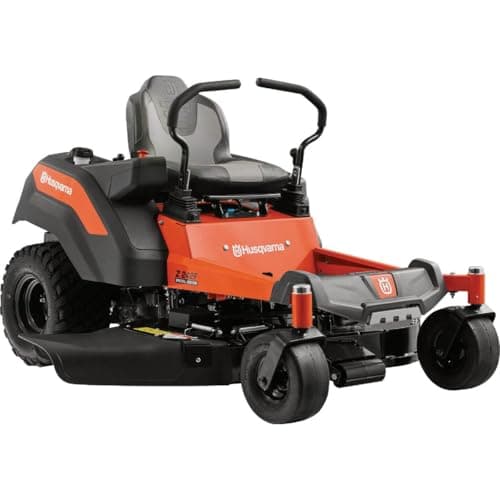
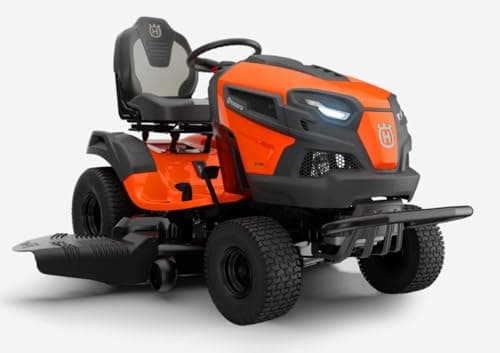
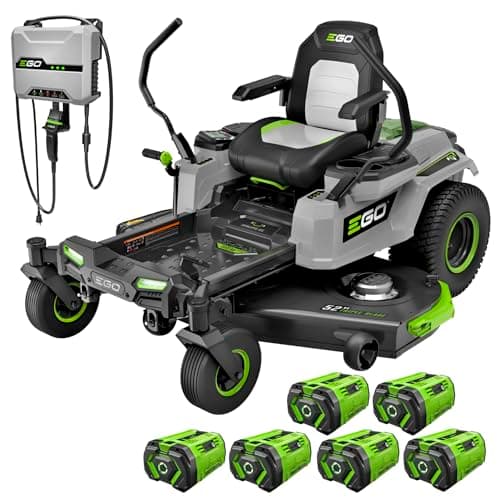
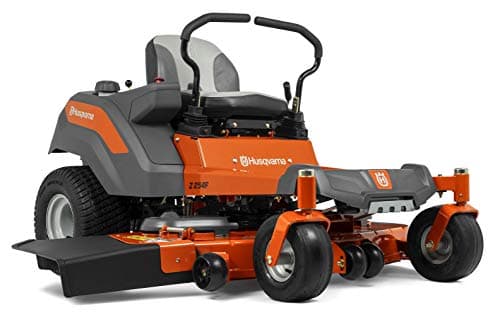
For two to three acres, buy a 48 to 54-inch zero-turn, and the one we would buy is the Husqvarna Z254F— a 54-inch deck and a 23 HP Kawasaki engine, which is the combination that gets three acres cut in one sitting rather than two. If your two acres are mostly open and you would rather tow a cart and a spreader, the Husqvarna TS 140X lawn tractor at 48 inches is the better and cheaper machine. If you want no engine to maintain at all, the EGO Power+ Z6 52" is the electric answer at this acreage.
This page is written for owners of two and three acres specifically, because the honest advice changes at exactly this size. Under an acre, a 42-inch deck is plenty and the money is better spent elsewhere. Over four acres, you want 54 inches minimum and a commercial frame. Two to three acres is the band where a 42-inch deck willdo the job and will cost you an extra hour every week to do it — which is the whole argument.
The arithmetic, since nobody prints it on the machine
Two acres is about 87,000 square feet. At a realistic 4 mph with a 42-inch deck and sensible overlap you are covering roughly 1.3 acres an hour, so two acres is about an hour and a half of actual mowing. Step up to a 54-inch deck and the same lawn is a shade over an hour; at three acres the gap widens to most of an hour, every single cut, for the life of the machine. Thirty cuts a season turns that into twenty-plus hours. That is what deck width buys.
The counter-argument is real: a wide deck cannot turn inside a flowerbed, and on a lawn full of trees, beds and fence lines a 42-inch zero-turn will often finish faster than a 54-inch one because it is not reversing out of corners. Count your obstacles before you buy width.
We have mown with none of these. Everything here reads the published deck widths, engine makes and displacements, transmission types and the acreage each maker rates its machine for — see how we pick. Prices are live from the price layer with an “as of” date; the dealer-channel machines carry a check-price link because no honest online number exists for them.
Riding mowers for 2 and 3 acres compared
| Mower | Deck | Engine | Layout | Best for |
|---|
| Husqvarna Z254F | 54 in | 23 HP Kawasaki | Zero-turn | 3 acres with obstacles |
| Husqvarna Z242F | 42 in | 21.5 HP Kawasaki | Zero-turn | Best value at 2 acres |
| Husqvarna TS 140X | 48 in | 24 HP Briggs V-twin | Lawn tractor | Open ground and towing |
| EGO Power+ Z6 52" | 52 in | Electric, 56V | Zero-turn | No engine upkeep |
| Ariens IKON 52" | 52 in | 23 HP Kawasaki FR691V | Zero-turn | Fabricated deck, dealer buy |
| Kubota Z231BR 48" | 48 in | 22 HP | Zero-turn | Dealer support nearby |
Deck widths, engine makes, displacements and transmission types above are the figures the manufacturers publish. Prices are live where a verified listing exists; the dealer-channel machines show a check-price link instead of a number.
Zero-turn or lawn tractor at two acres?
Count your obstacles. That is the entire decision and it has nothing to do with acreage. A zero-turn pivots in its own width, so every tree, bed, swing set and fence post it has to go around costs you almost nothing. A lawn tractor has to swing wide and come back, so each obstacle costs a three-point turn.
On two acres of open ground with four trees, a lawn tractor is the better buy: cheaper for the same deck width, better on a slope because the weight sits differently, and it tows a cart, a spreader, a dethatcher or an aerator — which matters more on two acres than most people expect, because two acres is too much lawn to feed by hand. See riding mower attachments.
On two acres cut up by beds, paths and mature trees, the zero-turn wins and wins clearly. The full head-to-head is in zero-turn vs riding mower.
What changes between 2 acres and 3 acres
Two acres is comfortably inside what a 42-inch deck can do. Three acres is where that stops being true: an hour and a half of seat time becomes two and a quarter, and a machine built to a homeowner price starts accumulating hours faster than its spindles and transaxles were designed for.
So at three acres, two specs move from nice-to-have to necessary. Deck width of 48 inches minimum, 54 preferred. And a twin-cylinder engine— Kawasaki FR series, Briggs V-twin or equivalent — because a single-cylinder engine running two hours a week through a hot August is working at the top of its design envelope, and twins run cooler and smoother doing the same work.
Three acres is also where the heavier machines in our 5-acre roundup start to make sense if you intend to keep the mower for a decade.
Electric at two acres: where it works and where it does not
The EGO Z6 52-inch is a genuine two-acre machine and it removes oil changes, filters, fuel stabilizer and spring starting problems from your life entirely. The honest limit is that a battery machine has a hard runtime ceiling: when the packs are flat, you stop and charge, where a gas machine takes five minutes and a can. On two acres that is usually a non-issue. On three acres of thick grass in June, it is a real risk.
If the lawn is at the top of what one charge can do, buy the gas machine or accept mowing in two sessions. More in the electric riding mower roundup.
The dealer-channel machines, and why they are here
Ariens, Kubota, Cub Cadet, John Deere and Ferris sell almost entirely through servicing dealers rather than online, so no verified online price exists for most of their range. They are on this page anyway, with a check-price link rather than a stale number, because at two and three acres the thing most likely to cost you a weekend is not the purchase price — it is whether a deck spindle can be replaced locally in a week.
If there is a dealer for one of those brands within a sensible drive, that is a real argument in its favor. See most reliable zero-turn mowers for how the running gear differs between the homeowner and semi-pro tiers.
Who should skip these
Skip everything on this page if your lawn is under an acre: the 1-acre roundup has the cheaper machines that do that job properly.
Skip the 54-inch decks if your lawn is heavily subdivided by beds and trees, or if your gate is under 60 inches wide — measure the gate before you measure the lawn.
And skip the zero-turns entirely if your two acres include a bank steeper than about 15 degrees. Zero-turns lose traction uphill in reverse; see the best riding mower for hills.