Skip to content
Fairway&Fescue

The Seed · Grass Seed & Fescue

Fescue vs Ryegrass

One germinates in days and one survives August. A head-to-head on the four specs that actually decide it, with the blends that use both.

By Stephen V.Updated How we pick
#ad

We earn a commission when you buy through our Amazon links, at no extra cost to you. It never changes our rankings — and we'll tell you when the cheaper bag or machine is the better buy. How this works.

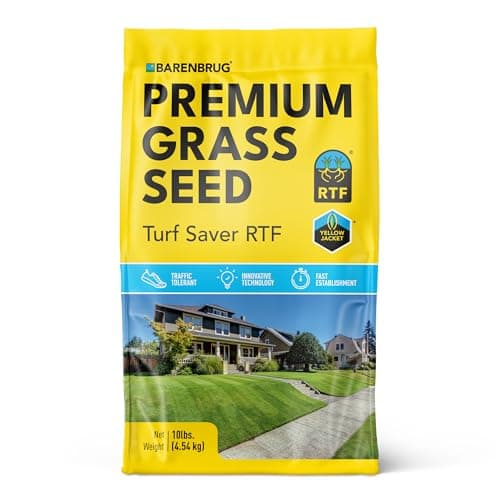
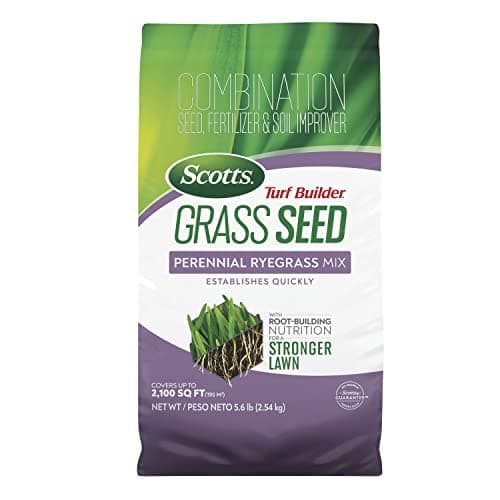
Sow tall fescue if you want one lawn that lasts: it roots deeper, rides out a dry August far better, and takes more shade than ryegrass does. Sow perennial ryegrassif you need green fast — it germinates in days rather than weeks and has a finer, glossier blade, which is why it is the standard choice for overseeding and for a lawn that has to look respectable by a date. Our picks are the Barenbrug Turf Saver RTF for fescue and the Scotts Turf Builder Perennial Ryegrass Mix for rye.

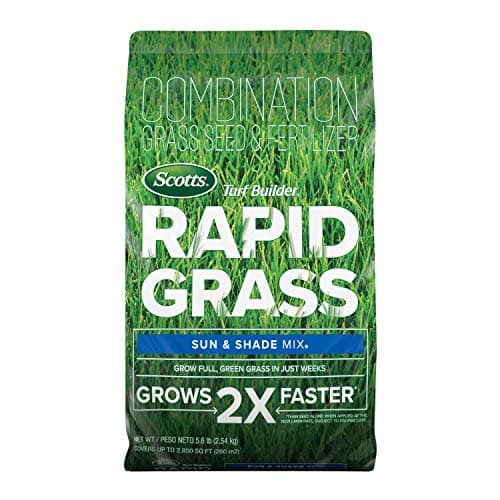
The real answer for a lot of lawns is both, and that is not a cop-out. A fescue-and-rye blend gives you fast cover from the ryegrass while the fescue establishes underneath, which is exactly how products like Scotts Rapid Grass are formulated. If you are overseeding thin turf in September, a blend is usually the better bag than either species alone.

A note on the third name people pair with these two. Kentucky bluegrass spreads by rhizome and self-repairs, which neither of these does well, but it needs more water and more sun than tall fescue and establishes slowest of the three. We have a dedicated head-to-head in tall fescue vs Kentucky bluegrass and the summary row is in the table below.

Everything here reasons from species agronomy, the seed labels and the cultivar trial data we cite — not from a lawn we grew. See how we pick. Prices come from the live price layer with an “as of” date.

The short answer

Quick picks

#ProductBest forScorePrice
01
Barenbrug Barenbrug Turf Saver RTF Tall Fescue (10 lb)
Barenbrug Turf Saver RTF Tall Fescue (10 lb)

The one bag on this list that does something the others cannot: RTF is rhizomatous tall fescue, so it spreads sideways and fills its own thin patches instead of needing you to overseed them.

A lawn that repairs itself
8.4
$45.20Amazon
02
Scotts Scotts Turf Builder Perennial Ryegrass Mix (5.6 lb)
Scotts Turf Builder Perennial Ryegrass Mix (5.6 lb)

The fastest germination of any cool-season lawn grass, in the easiest bag to find. Perennial ryegrass is what you sow when you need green in days rather than weeks.

Best perennial ryegrass seed
6.0
$41.48Amazon
03
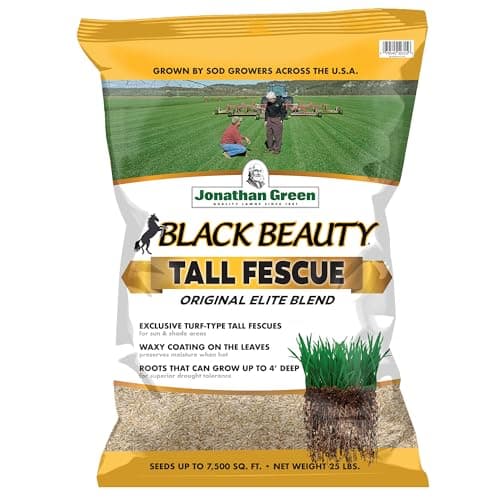
Jonathan Green Jonathan Green Black Beauty Tall Fescue Blend (25 lb)
Jonathan Green Black Beauty Tall Fescue Blend (25 lb)

The premium turf-type tall fescue blend, in a bag size that actually seeds a lawn. Black Beauty is the cultivar family lawn-care professionals name when asked what they would put down themselves.

The best-looking tall fescue lawn
7.6
$104.13Amazon
04
Scotts Scotts Turf Builder Rapid Grass Sun & Shade (5.6 lb)
Scotts Turf Builder Rapid Grass Sun & Shade (5.6 lb)

Seed and fertilizer combined in one bag, so a new patch gets fed at germination without a second application. The convenience pick for a one-afternoon repair.

Seed and feed in one bag
5.6
Check price →

#ad · Live prices from the Amazon Product API, as of October 20, 2026. Where we have no verified live price, we show none — we would rather leave a gap than print a number that has rotted.

In detail

The picks, in full

01
Barenbrug Barenbrug Turf Saver RTF Tall Fescue (10 lb)

A lawn that repairs itself

Barenbrug Turf Saver RTF Tall Fescue (10 lb)

Rhizomatous tall fescue (RTF)Yellow Jacket seed coating10 lb bagSelf-repairing
8.4/10

The one bag on this list that does something the others cannot: RTF is rhizomatous tall fescue, so it spreads sideways and fills its own thin patches instead of needing you to overseed them.

Species quality
10
Shade tolerance
7
Drought tolerance
9
Self-repair
10
Value per lb
6

Pros

  • Ordinary tall fescue is a bunch grass — it grows up, not out, so every bare patch stays bare until you reseed it. RTF puts out rhizomes and closes gaps on its own
  • The Yellow Jacket coating is a water-holding polymer coat, which helps germination on the days you miss a watering
  • Barenbrug sells the same seed into sports fields and parks, which is the honest reason to trust the genetics

Cons

  • Priced well above a commodity tall fescue bag per pound of seed
  • Coated seed weighs more per viable seed, so a 10 lb bag of coated seed sows less area than 10 lb of bare seed

Skip this if…

…you are seeding a large area on a budget. At this price per pound, covering a half acre gets expensive fast — Pennington's Rebels blend is the better value for sheer square footage.

$45.20View on Amazon

Price as of October 20, 2026. Prices change — Amazon's is the one that counts.

#ad · we may earn a commission from this link to Barenbrug Turf Saver RTF Tall Fescue (10 lb)

02
Scotts Scotts Turf Builder Perennial Ryegrass Mix (5.6 lb)

Best perennial ryegrass seed

Scotts Turf Builder Perennial Ryegrass Mix (5.6 lb)

Perennial ryegrass mix5.6 lb bagFast germinationFine leaf texture
6.0/10

The fastest germination of any cool-season lawn grass, in the easiest bag to find. Perennial ryegrass is what you sow when you need green in days rather than weeks.

Species quality
8
Heat tolerance
5
Shade tolerance
6
Drought tolerance
4
Value per lb
7

Pros

  • Perennial ryegrass germinates faster than fescue or bluegrass, which is why it is the standard choice for winter overseeding and for a lawn that has to look respectable before an event
  • Finer leaf blade and a darker gloss than tall fescue, so it is the better-looking grass of the two at the same mowing height
  • Takes wear well and establishes on a thin seedbed, so it works as a patch and overseed grass

Cons

  • Bunch-type with shallower roots than tall fescue, so it thins faster in a dry August and needs more water to hold
  • Less heat and drought tolerant than tall fescue almost everywhere in the United States

Skip this if…

…you want one sowing to last a decade with minimal water. Tall fescue roots far deeper and rides out summer drought better; ryegrass is the fast grass, not the durable one.

$41.48View on Amazon

Price as of October 20, 2026. Prices change — Amazon's is the one that counts.

#ad · we may earn a commission from this link to Scotts Turf Builder Perennial Ryegrass Mix (5.6 lb)

03
Jonathan Green Jonathan Green Black Beauty Tall Fescue Blend (25 lb)

The best-looking tall fescue lawn

Jonathan Green Black Beauty Tall Fescue Blend (25 lb)

Turf-type tall fescue blend25 lb bagDeep-rooting cultivarsDark green color class
7.6/10

The premium turf-type tall fescue blend, in a bag size that actually seeds a lawn. Black Beauty is the cultivar family lawn-care professionals name when asked what they would put down themselves.

Species quality
10
Shade tolerance
7
Drought tolerance
9
Self-repair
4
Value per lb
8

Pros

  • A blend of several improved tall fescue cultivars rather than one, which spreads the risk of any single cultivar failing in your conditions
  • 25 lb is a real lawn's worth of seed at a sensible price per pound
  • The dark color class is the visible difference between this and a commodity fescue bag

Cons

  • Noticeably more expensive than Scotts or Pennington per bag
  • Still a bunch-type tall fescue, so it will not self-repair the way RTF does

Skip this if…

…the lawn is mostly deep shade. Tall fescue tolerates shade better than bluegrass but a fine fescue mix handles genuine gloom far better.

$104.13View on Amazon

Price as of October 20, 2026. Prices change — Amazon's is the one that counts.

#ad · we may earn a commission from this link to Jonathan Green Black Beauty Tall Fescue Blend (25 lb)

04
Scotts Scotts Turf Builder Rapid Grass Sun & Shade (5.6 lb)

Seed and feed in one bag

Scotts Turf Builder Rapid Grass Sun & Shade (5.6 lb)

Seed + fertilizer combinationSun & shade mix5.6 lb bagRapid Grass line
5.6/10

Seed and fertilizer combined in one bag, so a new patch gets fed at germination without a second application. The convenience pick for a one-afternoon repair.

Species quality
6
Shade tolerance
7
Drought tolerance
6
Self-repair
4
Value per lb
5

Pros

  • New seedlings genuinely do want phosphorus at establishment, and this puts it exactly where the seed is
  • One trip, one bag, one pass — no separate starter fertilizer to buy and spread
  • Good for someone who will do this once and not come back to it for a year

Cons

  • You are paying seed prices for the fertilizer portion of the bag's weight, so the effective seed cost is high
  • Combination products give you no control over the feeding rate

Skip this if…

…you are seeding a real area. Buy a 20 lb seed bag and a separate starter fertilizer — you will pay less and get to control the feed rate.

Check price on Amazon →

No buyable offer at the last price check (October 20, 2026). We show nothing rather than a stale number.

#ad · we may earn a commission from this link to Scotts Turf Builder Rapid Grass Sun & Shade (5.6 lb)

Fescue vs ryegrass vs bluegrass: head to head

 Tall fescuePerennial ryegrassKentucky bluegrass
Season typeCool-seasonCool-seasonCool-season
Germination speedModerateFastest of the threeSlowest
Root depthDeepestShallowModerate
Summer heat and droughtBest of the threeThins quicklyGoes dormant
ShadeBest of common lawn grassesModeratePoor
Leaf textureCoarserFine, glossyFine
How it growsBunch-type (RTF creeps slightly)Bunch-typeRhizomatous
Self-repairPoorPoorGood
Wear toleranceGoodVery goodGood
Water need in heatLowerHigherHighest
Mowing height3-4 in2-3 in2.5-3.5 in
Typical roleThe main lawnOverseed and fast coverNorthern lawns, repairs itself

Those characteristics are species agronomy, consistent across published seed labels and the independent cultivar trial data we cite. Individual cultivars vary within a species, which is the whole argument for buying a named blend rather than a generic bag — see best premium grass seed.

The four things that actually decide it

1. How fast you need grass.This is the honest reason ryegrass exists in the home market. Perennial ryegrass is up and visibly green faster than anything else you can sow on a cool-season lawn. Selling a house in six weeks, hosting something in the garden, or trying to stabilize bare soil before rain washes it — rye wins those. Tall fescue is not slow, but it is not that.

2. Your August.Tall fescue roots far deeper than ryegrass, and in a hot dry spell that depth is the whole ballgame — it reaches moisture that a shallow-rooted rye lawn cannot. A perennial ryegrass lawn in a transition-zone summer needs real irrigation to hold on. If you are not going to water, sow fescue.

3. Your trees.Tall fescue is the most shade-tolerant of the common lawn grasses, and the fine fescues are better still. Ryegrass manages moderate shade and no more. A lawn under mature trees is a fescue lawn — see best grass seed for shade.

4. How it has to look.Ryegrass has a finer blade with a distinct gloss, and at the same mowing height it simply looks better than tall fescue. Modern turf-type tall fescues have narrowed that gap a great deal, and Kentucky 31 — the coarse pasture-type fescue still sold in cheap bags — has not. If appearance is high on your list, buy a named turf-type blend, not a generic fescue bag.

Why most bags are a blend, and why that is right

Walk the seed aisle and most of what you see is a mixture: tall fescue with some perennial ryegrass, often with bluegrass. That is deliberate and it is good agronomy. The ryegrass germinates first and holds the seedbed — shading soil, reducing erosion, giving you something green within a week or two — while the fescue takes its time and becomes the long-term lawn underneath.

The one thing to check is the proportion. A bag that is mostly ryegrass gives you a lawn that looks great in October and thins out the following August. A bag that is mostly turf-type tall fescue with a modest ryegrass fraction gives you fast cover and a durable lawn. The species percentages are on the label, on the back, in the analysis panel. Read them.

Annual ryegrass is a different thing entirely

Worth being blunt about, because the bags look similar. Annualryegrass germinates even faster than perennial, lives one season and dies. It has a legitimate use as a temporary cover crop or for winter overseeding of a dormant bermuda lawn in the South. It is not a lawn. If a cheap bag of “rye grass seed” is dramatically cheaper than everything near it, check whether the label says annual or perennial before you buy it.

The verdict

One lawn, long term, limited watering, any shade: tall fescue.Buy a named turf-type blend — the full ranking is in best fescue grass seed.

Need green in two weeks, or overseeding thin turf: perennial ryegrass, or a fescue-and-rye blend, which is usually the smarter version of the same decision.

Northern lawn that takes a beating from kids and dogs and gets full sun: add Kentucky bluegrass to the mix for the self-repair, and accept the extra water.

Southern lawn, full sun, brutal summer: neither.You want a warm-season grass — see fescue vs bermuda and best grass seed for Texas.

Sow it properly, whichever you choose

Seed choice is maybe half the outcome. The rest is seed-to-soil contact, timing and water: early autumn for either species, soil scratched up or aerated so seed is not sitting on thatch, and the top half inch kept damp until germination. The full procedure is in how to grow grass from seed and how to reseed a lawn, and the feed that goes with it is a starter fertilizer.
How we picked this

We haven't run this gear through a lab — and we say so

We compiled the published manufacturer specifications — deck width and gauge, drive type, blower CFM, fertilizer NPK, seed species — did the deck-width and nitrogen arithmetic, cross-read the owner manuals, and scored each pick against a published rubric. The scores are judgments from documented research — they are notlab measurements we took, because we don't have a lab and we're not going to pretend we do. Where somebody has genuinely measured this, we link them. You can check every number we publish.

Questions

Frequently asked

Is fescue or ryegrass better?
Tall fescue for a durable lawn — deeper roots, better heat and drought tolerance, far better in shade. Perennial ryegrass for speed — it germinates fastest and has a finer, glossier blade. A blend of the two is the right answer for most overseeding.
Can you mix fescue and ryegrass?
Yes, and most bagged seed already is a mix. The ryegrass germinates first and holds the seedbed while the tall fescue establishes as the long-term lawn. Check the species percentages on the label so ryegrass is not the majority.
Does ryegrass come back every year?
Perennial ryegrass does. Annual ryegrass does not — it lives one season and dies, and is sold as a temporary cover or for winter overseeding of dormant bermuda. The bags look similar, so read which one you are buying.
Which grass seed is best for shade, fescue or ryegrass?
Fescue, clearly. Tall fescue is the most shade-tolerant of the common lawn grasses and the fine fescues are better still. Perennial ryegrass handles moderate shade and no more.

Keep reading

Receipts

Sources

We do not run a testing lab, and we do not pretend to. Every spec number here comes from a manufacturer's published sheet or an official standard, cited above. Where we could not verify something, we say so on the page rather than quietly leaving it out. Read our full method.