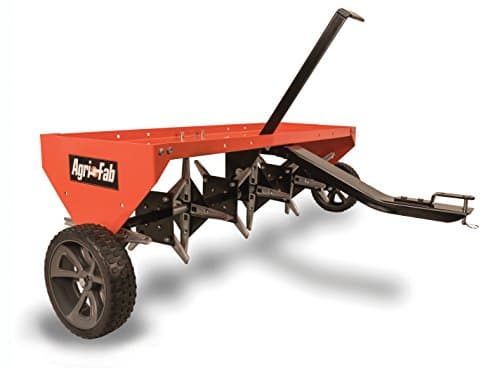
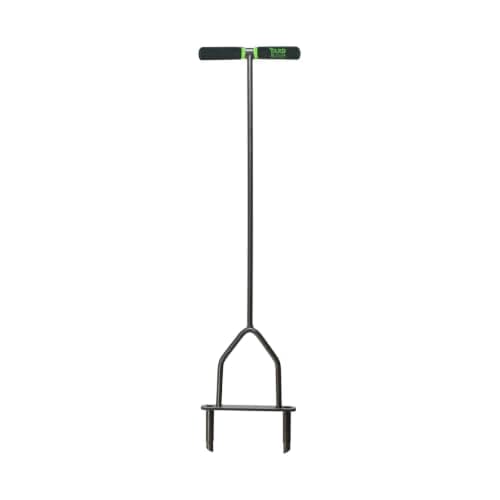
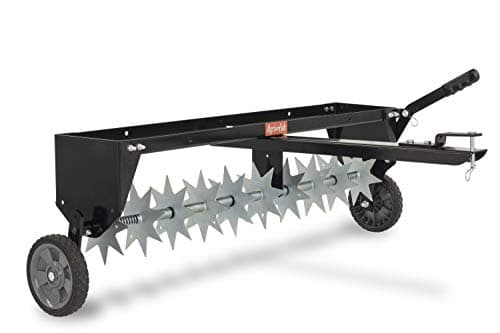
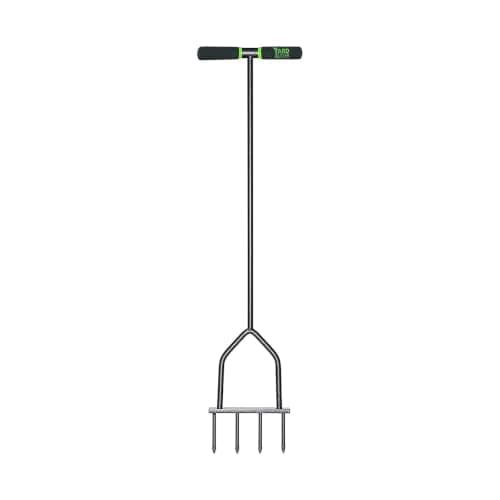
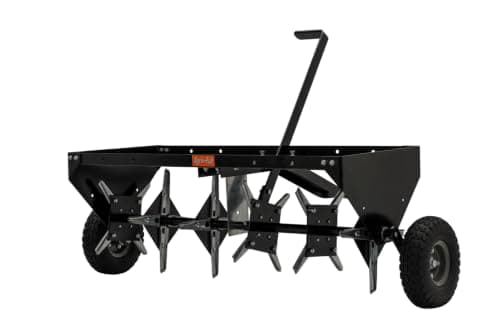
The best lawn aerator is the Agri-Fab 40" Tow-Behind Plug Aerator, because it is a genuine hollow-tine corer: twenty-four galvanized coring knives that pull plugs of soil out of the ground. That is the only mechanism that actually relieves compaction. For a bigger lawn, the 48-inch version covers twenty percent more per pass. And if you have no ride-on to tow anything with, the Yard Butler ID-6C hand corer is the only tool here that cores properly at human scale.
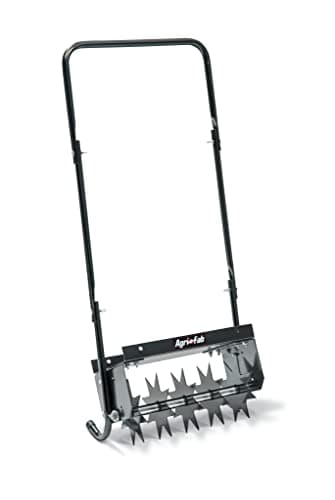
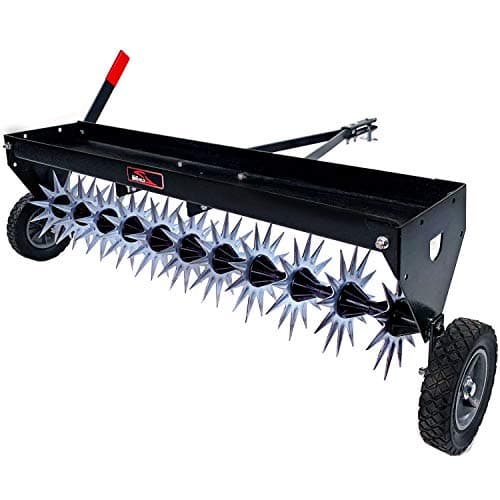
One distinction decides this entire category, so let us be blunt about it. A core or plug aerator removes soil, leaving holes with real air space. A spikeaerator pushes a solid spike in, displacing soil sideways and compressing the walls of the hole — which can leave the top inch slightly worse than it was. Spike aerators dominate the market because they are cheap and light. They are not what you want if your problem is compaction.
Spike aerators are on this list because they do have a real job: slicing the surface before you overseed, so the seed reaches soil instead of sitting on top. We rank them for that, honestly, below the corers. We have not aerated a lawn with any of these — the ranking reads published tine types, counts, working widths and depths. See how we pick.
Diagnose before you buy
Push a screwdriver into the lawn. If it goes in easily, you do not have a compaction problem and nothing on this page will help you. If you have to lean on it, you do. And if water sits on the surface over a spongy brown layer, your problem is thatch rather than compaction and you want a dethatcher instead — the full diagnosis is in aerating vs dethatching.
How to choose an aerator
Hollow tines if the problem is compaction. Non-negotiable. Look for the words coring, plug or hollow tine. If a product only says spike or spiker, it is the other mechanism.
Then check what you have to pull it with.The tow-behind corers need a riding mower or tractor with a hitch — they are useless without one. If you have a ride-on, they are the best value in lawn care, because you will use them every autumn for twenty years. If you do not, your options are the hand corer or a rental.
Seriously consider renting. A powered walk-behind core aerator rents for an afternoon for less than most of these tools cost to buy, and it does a whole lawn in two hours. If you aerate once every two or three years, renting is simply the better decision and we would rather tell you that than sell you a hand tool you will use once.
Working width sets the number of passes. Forty inches versus forty-eight is twenty percent fewer passes on an open lawn; the narrower implement turns more tightly around trees and beds. Same trade-off as mower deck width.
Weight is what makes any of them work.Penetration depth is almost entirely a function of downforce. Every serious aerator here has a weight tray — load it with paving slabs or sandbags. An unweighted aerator skates across the surface and achieves nothing, which is the usual reason people conclude aeration does not work.
Water the lawn first. Tines will barely enter dry clay no matter how much weight you add. Water thoroughly the day before, or aerate after rain. This is free and it is the difference between a useful job and a wasted afternoon.
What to do with the plugs, and what comes next
Leave the soil plugs on the lawn. They break down in a couple of weeks and return their soil to the surface, which is exactly where you want it. Raking them up is work for no benefit.
Then take advantage of the holes. Aerating opens the single best window of the year for overseeding, because seed falls into the holes and gets soil contact at depth — so follow it immediately with decent fescue seed and a feed. Aerate, seed, feed, in one early-autumn weekend, is the most effective thing anyone can do to a tired lawn.
Who should skip these
Skip the Yard Butler IM-7C spike aerator specifically, and this is our skip-this pick. It is beautifully made and it combines the slowest possible method with the least effective mechanism. The ID-6C corer costs the same and actually removes soil.
Skip the tow-behind implements entirely if you have no tow vehicle, and skip the hand corer if you intend to do a whole lawn with it — rent a powered machine instead. And skip all of it if a screwdriver goes into your lawn easily: aeration is a fix for a specific problem, not routine maintenance.